Categories
Uncategorized

When Pressure Shakes Our Faith

A reflection on Luke 22:31–32

There are moments when life looks very different from what we prayed for or imagined. We make plans, work toward a goal, and try to follow God faithfully. Then circumstances change, and questions begin to surface.

Did I misunderstand God? Am I going anywhere? Can I still trust Him when I cannot understand what He is doing?

As I preached “The Enemy Tactic #6: Sifting,” I recognized how personally I knew those questions. This message grew out of my own struggle to trust God through disappointment. Reflecting afterward has also helped me express more carefully what I wanted students to understand.

Pressure can expose our vulnerability

In Luke 22:31–32, Jesus warns Peter that Satan has asked to sift the disciples like wheat. Grain shaken in a sieve becomes a picture of severe testing.

Peter responds confidently. He believes he is ready to follow Jesus into prison and even death. Yet within hours, he denies knowing Him.

Peter’s experience challenges me because sincere intentions do not make us immune to weakness. We can love Jesus and still underestimate how fear, disappointment, or the desire for acceptance can influence our choices.

The enemy seeks to undermine our trust and obedience. He can exploit painful circumstances, but that does not mean every hardship comes directly from Satan. Illness, grief, academic difficulties, and conflict can have many causes. Neither suffering nor asking difficult questions automatically indicates spiritual failure.

The question I wanted students to consider was: What am I tempted to believe or do when pressure comes?

We cannot always control our circumstances. We can bring our responses before God and ask for help discerning our next step.

When my plans stopped making sense

I remember a season after leaving a ministry position that required a demanding commute. I had wanted to serve and build toward a future in ministry. Instead, I found myself working intensely, taking on another job, and struggling to understand how my circumstances connected to my calling.

One day in a parking lot, I brought my frustration to God.

Had He really called me? Why did I feel directionless? How could I pursue ministry when work seemed to consume so much of my life?

I experienced that season as failure. Looking back, I recognize that a ministry assignment ending is not necessarily a failure to obey God. Likewise, an academic setback, an unmet expectation, and Peter’s denial are different experiences with different responsibilities attached to them. Their connection in my message was the pressure they can create and the questions that pressure can raise.

Through prayer, I began surrendering my timetable and expectations. My prayer became a request for God to help me trust Him while I could not see the outcome.

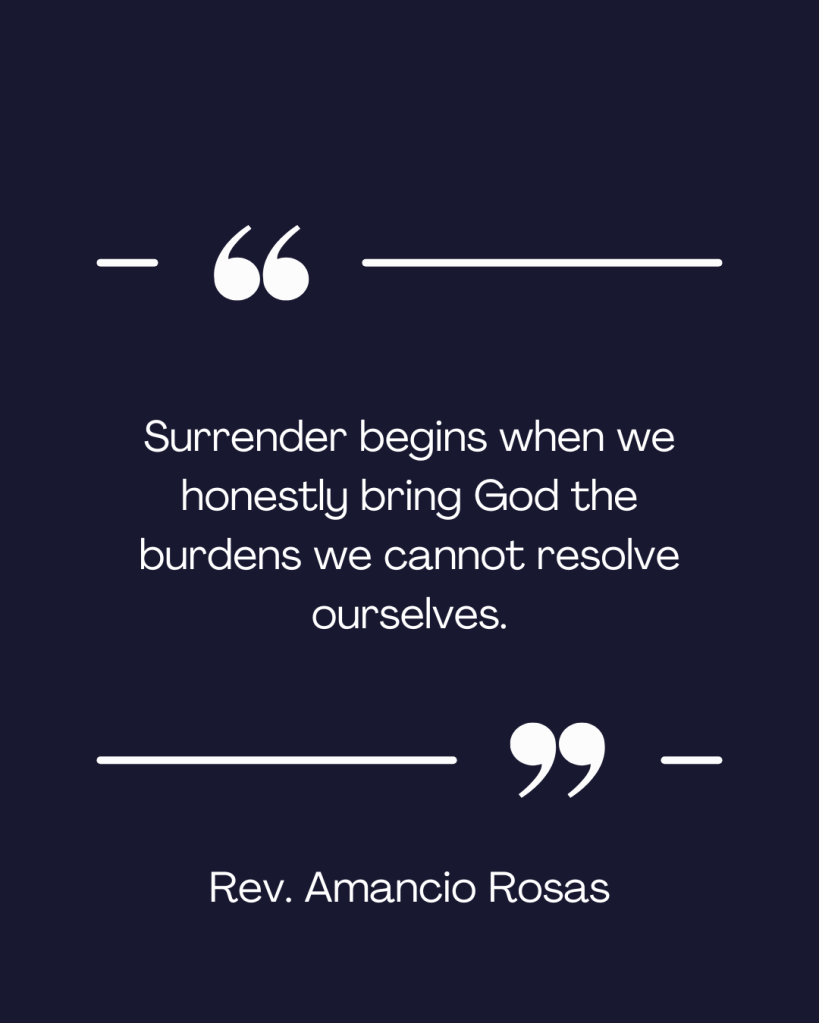
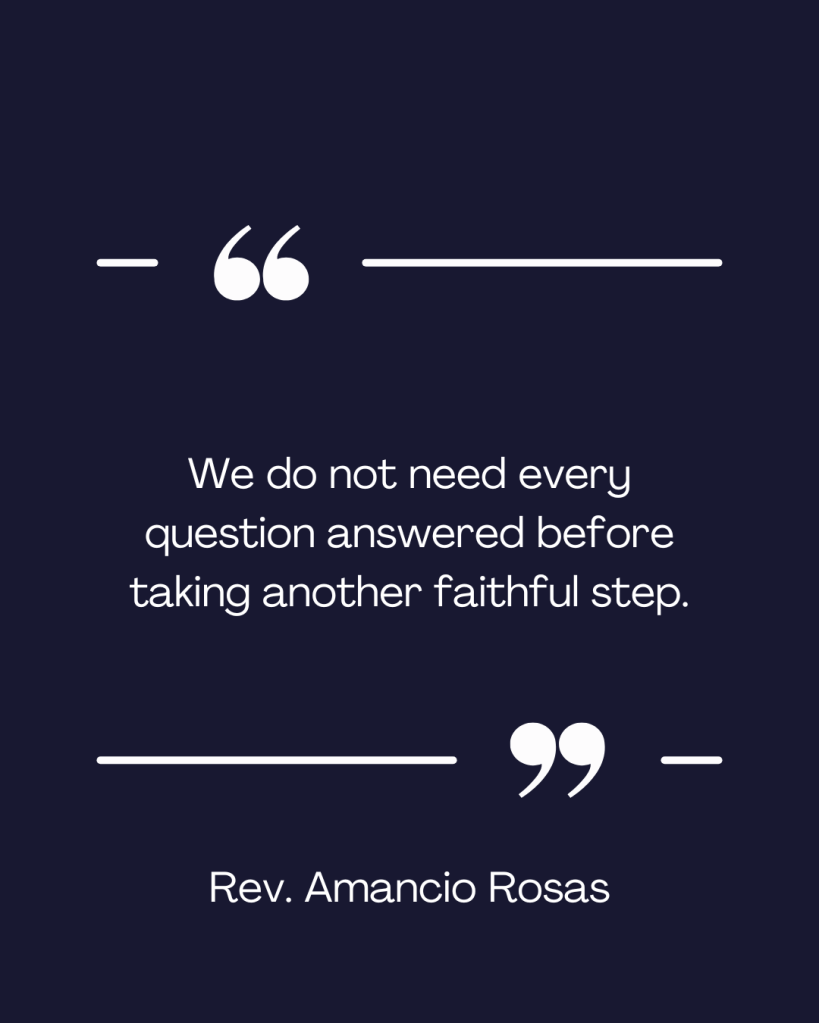
I experienced peace as I entrusted those burdens to Him. Some questions remained unanswered, but I no longer needed to resolve every question before taking another faithful step.

Failure is serious, and restoration is possible

During the sermon, I said that failure is “okay” in Jesus’ eyes. What I intended to convey deserves a more careful explanation.

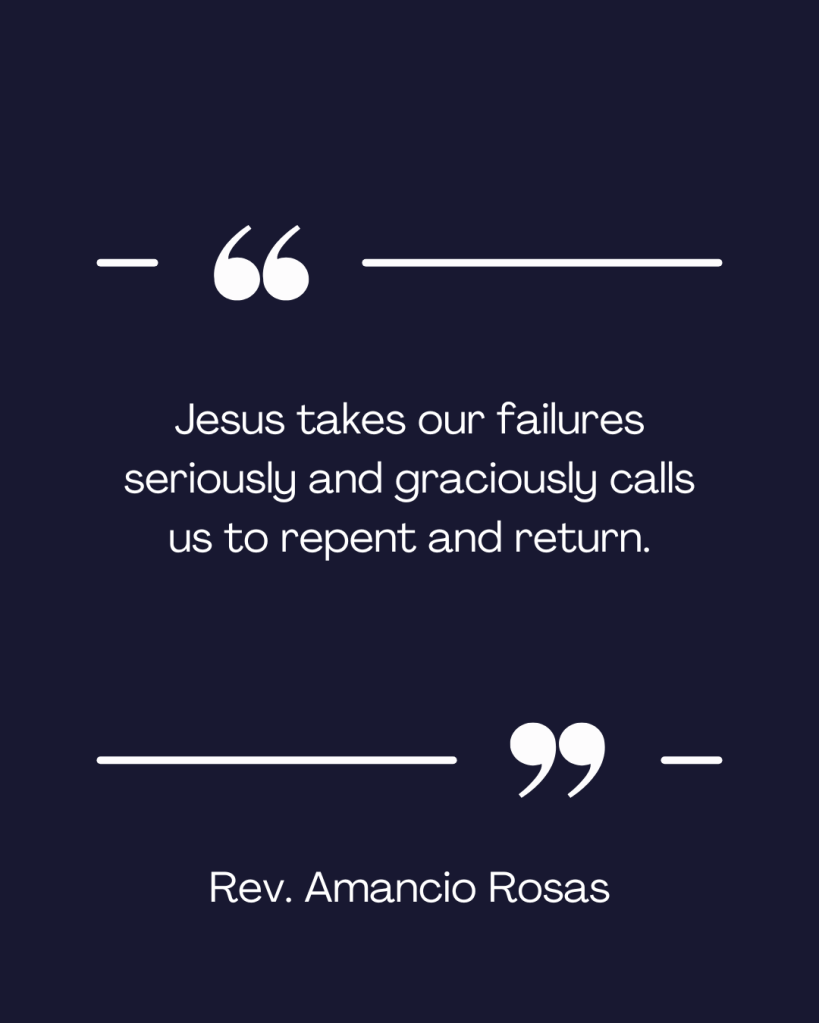
Jesus takes sin seriously, and He graciously calls those who fail to repent and return to Him.

Peter’s denial was wrong. His grief mattered, and his return mattered. Jesus’ anticipation of that return gives hope without excusing what Peter did.

That was the encouragement I wanted students to receive: having failed does not mean they should hide from Christ or assume that seeking forgiveness is pointless. They can confess their sin, receive His mercy, and respond to His restoring work.

Grace also allows us to accept responsibility. When our decisions contribute to a setback, we can acknowledge that honestly and make needed changes.

Jesus continues to intercede

Before Peter denies Him, Jesus tells him that He has prayed for him. Peter does not yet understand his vulnerability, but Jesus already sees it.

Hebrews 7:25 connects this assurance with Christ’s continuing ministry: He lives to intercede for those who come to God through Him.

In preaching, I described Jesus as praying the “exact same words” for us. My intention was to emphasize the personal care and assurance we find in His intercession. Scripture does not disclose the precise wording of His prayers for each believer.

What we can confidently affirm is that the risen Jesus continues to intercede for His people. His concern for us is real, and we can approach God through Him.

Our hope rests in the Savior who died for our sins, rose again, and lives to intercede for us.

Hope can endure alongside unanswered questions

I also spoke strongly about hope overcoming fear and doubt. I wanted to encourage students to trust God’s promises more deeply than their changing emotions.

That does not mean sincere believers never feel afraid or uncertain. Hope can sustain us while grief remains painful, rejection still hurts, and questions continue.

Coming to the Father does not guarantee that every painful feeling immediately disappears. His love gives us a place to bring those experiences. Through Scripture, the Holy Spirit, and Christian community, we can receive strength to continue.

Romans 5:3–5 describes perseverance, character, and hope developing through suffering, grounded in God’s love poured into our hearts through the Spirit. This is a process of dependence and growth.

Bringing our burdens to God

Psalm 55:22 invites us to entrust our burdens to the Lord who sustains us. Second Corinthians 12:9 reminds us that Christ’s grace is sufficient and His power works in weakness.

Those passages invite honesty. Sometimes prayer begins with admitting that we are disappointed, exhausted, frightened, or unsure of what comes next.

God can change our circumstances. He also sustains us when relief takes time. My testimony reflects a season when His help included learning to trust Him while circumstances remained unresolved.

As I reflect on this message, I return to three questions:

  • What pressures am I facing?
  • What are they tempting me to believe or do?
  • Am I willing to bring these burdens to God?

My desire was to help students recognize spiritual opposition and respond with dependence on Christ. Standing firm includes watchfulness, honest prayer, repentance when needed, and a willingness to receive help.

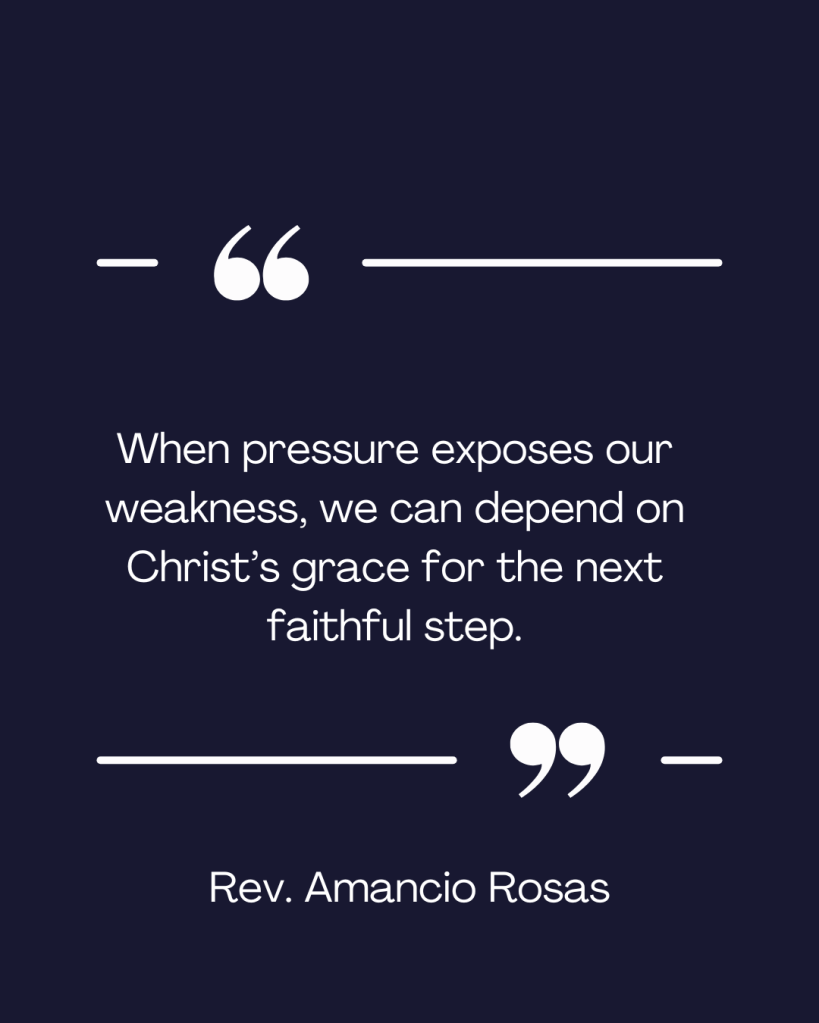
When pressure exposes our weakness, we can draw near to Jesus and depend on His grace for the next faithful step.

Categories
Uncategorized

Honest Worship: Bringing Our Hearts and Our Community Before God

A busy life can make it easy to move through spiritual routines without pausing to examine our hearts. We attend church, hear Scripture, and participate in prayer. Yet a question remains: Are we willing to let God change us?

During a recent prayer-night devotional, I reflected on Ezra 9:5–6 and two closely connected themes: honesty before God and concern for His people. Ezra’s response challenged me to consider both the sincerity of my worship and the people I carry into prayer.

A Restored Temple and a People Still Needing Renewal

Ezra ministered after the Babylonian exile, during the Persian period. The temple had already been rebuilt under the leadership of Zerubbabel and Jeshua, with encouragement from the prophets Haggai and Zechariah. Ezra later arrived as a priest and scribe committed to studying, practicing, and teaching God’s law (Ezra 6:14–15; 7:6–10).

Although the people had returned to their land, they still needed spiritual renewal. Ezra 9 describes covenant unfaithfulness involving marriages with surrounding peoples and participation in their detestable practices.

When Ezra learned what had happened, he grieved. At the evening sacrifice, he knelt, spread his hands toward God, and confessed the community’s sin.

His response invites us to ask how we respond when we recognize compromise in ourselves and among God’s people.

Honest Worship Requires Surrender

Ezra’s posture expressed the seriousness of his prayer. His kneeling and outstretched hands accompanied grief and confession. The challenge for us is to consider whether our outward expressions of worship reflect inward surrender.

Am I honest with God in prayer? Do I want Him to change me? Am I willing to follow His direction when it differs from my preference?

Luke 10:27 describes loving God with our heart, soul, strength, and mind, alongside loving our neighbor. That wholehearted devotion helps us consider how much of our lives we are willing to surrender.

I recognize how easily busyness can carry me through the motions. Work, school, and ministry responsibilities fill the day. I can think about Scripture while still needing to pause and respond to God personally.

Honesty also requires recognizing how we justify wrongdoing. We might describe a misleading statement in a way that makes it sound acceptable or compare ourselves with someone whose actions seem worse.

Different sins can cause different degrees of harm. However, comparison does not remove our responsibility. We need to ask what is true, whom we have hurt, and what obedience requires.

Repentance opens the way to acknowledging our wrong, receiving God’s mercy, and making the necessary change.

Intercession Grows from Shared Concern

In Ezra 9:6, Ezra speaks of “our” sins and “our” guilt. He identifies with the community as he confesses before God.

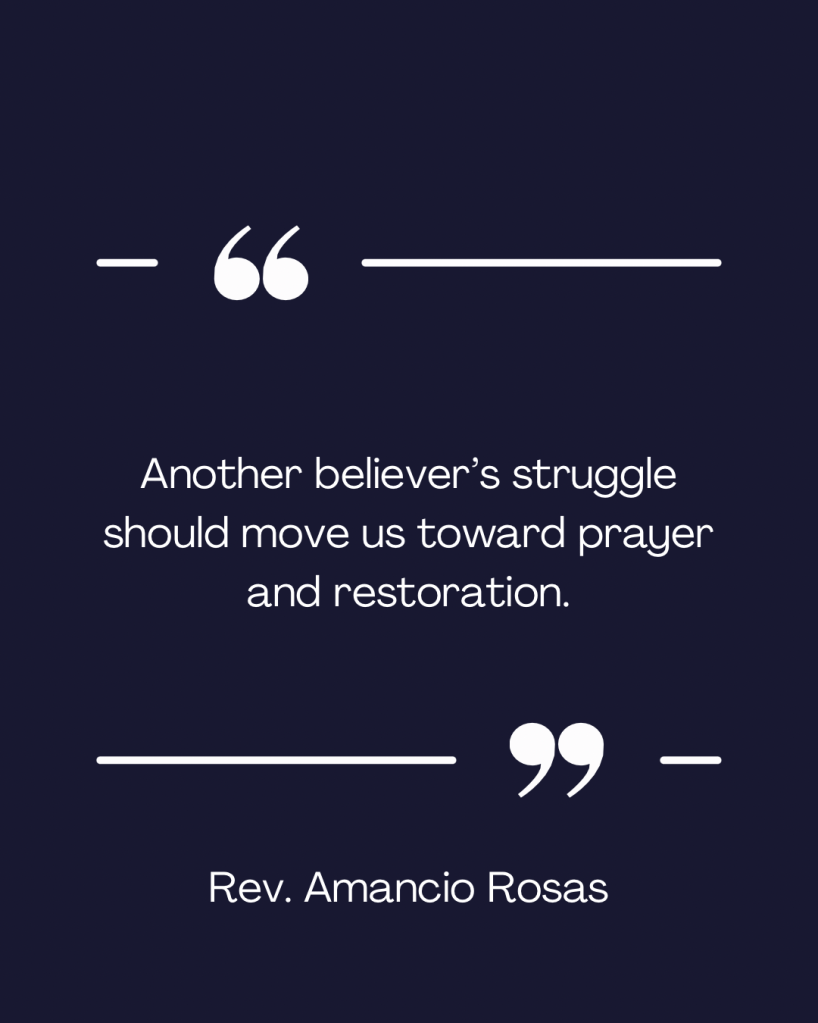
That shared concern challenges how we respond to struggling people. Do their difficulties move us toward prayer and restoration?

I work with fourth- and fifth-grade students. When they do not listen, frustration comes easily. But am I praying for them? Am I praying for my coworkers, for people who have hurt me, and for fellow believers who are struggling?

First Corinthians 12:26 teaches that members of Christ’s body share one another’s suffering and honor. Intercessory prayer is one way we express that belonging. We carry people’s needs before God because their lives matter to us.

Spiritual growth should deepen our compassion. Prayer, Bible study, and ministry service do not give us grounds to treat others as spiritually inferior. Accountability matters, and its purpose should include helping people move toward repentance and restoration.

We are not walking this walk alone.

Christ’s Sacrifice Gives Us Confidence to Draw Near

Our confidence before God rests on Jesus Christ. He offered Himself for our sins once for all, and through Him we can draw near with sincere hearts and the assurance of faith (Hebrews 10:10–14, 19–22).

Prayer and Bible reading nourish our faith, but they cannot earn redemption or make us superior to others. We receive salvation through Christ and respond to His mercy with obedience.

Romans 12:1 describes that response as offering ourselves as living sacrifices. Christ’s sacrifice redeems us; we offer our lives to Him in gratitude.

As we pray, we can bring both our own need for renewal and the needs of those around us. Ask the Holy Spirit to reveal where surrender is needed and bring someone to mind who needs prayer.

Who needs encouragement? Who needs restoration? What practical act of care can follow your prayer?

Honest worship brings our whole lives before God. Intercession brings our community with us.

Categories
Educational Journey Uncategorized

When Worship Leaves the Sanctuary: Justice, Mercy, and Intercession

Worship is easy to associate with what happens inside the church. We sing, pray, hear Scripture, give, and gather with other believers. Yet biblical worship consistently challenges us to consider what happens after we leave the sanctuary.

Does our worship change how we treat people?

Does our relationship with God shape how we respond to injustice?

And when people are overwhelmed by sin and guilt, are we willing to stand in the gap and pray for them?

The books of Amos and Ezra approach these questions from different circumstances, but together they reveal something important: worship should move us toward both people and God. We act with compassion toward others while interceding before God on their behalf.

When Worship and Justice Become Separated

During the time of Amos, Israel continued practicing religious rituals while injustice and oppression remained present within society. Their problem was not simply that they had abandoned religious activity. In many ways, they were still religious.

The problem was the separation between their worship and their treatment of others.

R. Alan Fuhr describes how Israel practiced the ritual worship required by the Mosaic law while simultaneously participating in social oppression and societal neglect. Their outward worship continued, but something was deeply wrong with the life surrounding it.

Israel could not separate devotion to God from righteous treatment of others.

That same principle should challenge Christians today.

We often emphasize having a “personal relationship with God,” and that relationship is essential. We also recognize our relationship with the Body of Christ. But biblical worship pushes us beyond ourselves. If we worship a God who is righteous, compassionate, merciful, and just, those characteristics should increasingly shape how we interact with the people around us.

Our worship should have consequences outside the sanctuary.

More Than Choosing a Side

When injustice or oppression becomes visible, our first instinct can sometimes be to determine which “side” we are supposed to support.

But Christian faithfulness requires something deeper.

Our response cannot be reduced simply to voting, political affiliation, or participation in cultural arguments. Before asking which group we belong to, we should be asking what faithfulness to Christ requires of us.

Who is hurting?

Who is being overlooked?

Where is truth being ignored?

How can we love our neighbor while remaining faithful to God?

Speaking against oppression does not require abandoning truth, and speaking truth does not require abandoning love. Biblical worship should form believers who are capable of doing both.

If our lips declare the goodness of God on Sunday, our actions throughout the week should reflect the character of the God we worship.

When Guilt Builds Walls

Ezra introduces another dimension of worship: intercession.

After Israel survived exile, the people continued struggling with compromise and sin. Ezra felt the spiritual weight of what was happening among God’s people and responded through prayer.

Donna Petter makes an important observation about Ezra’s prayer: it calls upon God’s mercy to act.

There is an important tension here.

The people still needed to respond through repentance. Ezra’s prayer did not eliminate human responsibility. Yet Israel could not manufacture divine forgiveness for itself either. They needed the mercy and grace of God.

This has significant implications for pastoral ministry.

I have seen people become stuck in their faith because of their past. Even after change begins and forgiveness has been offered, guilt can remain.

The question becomes:

“Does God really love me even though I have sinned?”

When that question goes unanswered, guilt can slowly build walls.

When an Encounter Turns Into Guilt

I have seen a version of this in youth ministry.

A young person may come to church and genuinely encounter God. Then they disappear for several weeks. Eventually, the longer they stay away, the harder returning becomes.

What began as an encounter with God can become overshadowed by guilt.

They may think they have disappointed God. They may feel embarrassed about returning. They may convince themselves that they need to “get right” before coming back.

Those are moments when pastoral ministry requires more than asking, “Where have you been?”

Sometimes we need to stand in the gap.

Ezra reminds me of the importance of praying on behalf of the people God has entrusted to us. I have had opportunities to pray over young people and ask God to extend His mercy, restore their hearts, and help them experience the freedom they have in Christ.

Sometimes the person struggling to pray needs someone else praying for them.

That is part of the beauty of intercession.

Worship Moves in Two Directions

Amos and Ezra ultimately challenge me in complementary ways.

Amos pushes worship outward.

If I worship God, I should care about my neighbor. I should notice suffering, confront injustice with truth and love, and refuse to allow my Christianity to become merely ritualistic.

Ezra pushes worship upward.

When I see brokenness, sin, guilt, and spiritual struggle around me, I should bring those people before God. I cannot transform another person’s heart, but I can intercede for them and trust the mercy of God.

Together, these perspectives create a powerful picture of worship:

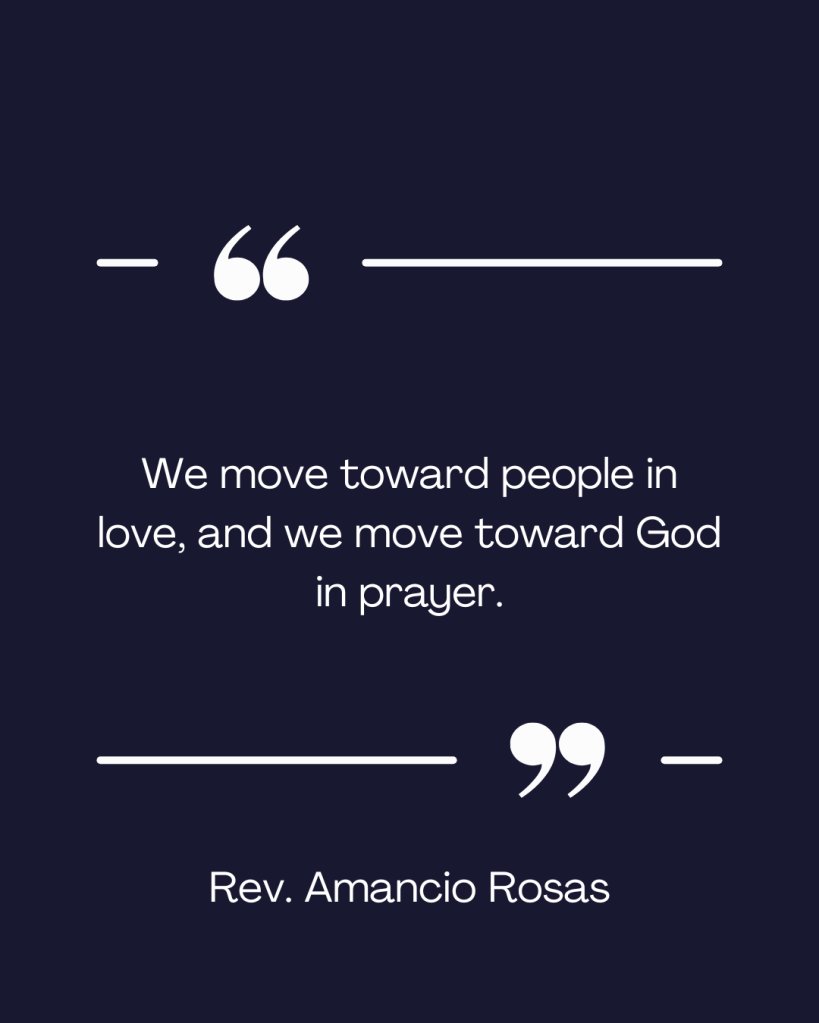
We move toward people in love, and we move toward God in prayer.

That challenges me personally because life does not become less busy as ministry responsibilities increase. If anything, busyness makes intentional intercession more difficult.

But perhaps that is exactly why it must become a discipline.

The more people God places around me, the greater my responsibility to remember that ministry is not only what I say to people. Ministry also includes what I say to God about them.

From Ritual to a Life of Worship

The challenge of Amos remains relevant: worship cannot become something we perform while ignoring the world around us.

The example of Ezra adds another dimension: when we encounter the brokenness of that world, our response should include intercession.

Biblical worship therefore refuses to remain confined to a service.

It enters our relationships.

It shapes our response to injustice.

It brings other people’s burdens into our prayers.

It calls us toward repentance.

And it continually brings us back to the mercy of God.

Perhaps one of the questions every worshiper should regularly ask is not simply, “Did I worship God today?”

Instead, we might ask:

“What is my worship producing in the way I love people, respond to brokenness, and pray for those God has placed around me?”

When worship begins transforming those areas of our lives, it moves beyond ritual and becomes a way of life.

Categories
Educational Journey Uncategorized

Following Before Leading: Redefining Success in Christian Leadership

Reflections on Eugene Peterson’s Follow the Leader series

What does it mean to be a successful Christian leader? Is success measured by the number of people attending our churches, the ministries we establish, the positions we hold, or the influence we develop? Or is there a deeper measurement that challenges our understanding of leadership altogether?

As I listened to Eugene Peterson’s Follow the Leader series, I found myself wrestling with these questions. Peterson examines the leadership of Jesus in its historical context, contrasting his approach with influential figures such as Herod, Caiaphas, and Josephus. Through these comparisons, he challenges the assumptions we often bring into Christian leadership, particularly our understanding of power, success, relationships, and personal ambition.

One of the greatest insights I gained from this series is that Jesus did not simply provide a model for becoming an effective leader. He invited us to become faithful followers.

This distinction challenges not only how I approach ministry but also how I understand my calling, my ambitions, and the importance of remaining faithful wherever God has placed me.

The challenge of following before leading

Early in the third part of his series, Peterson emphasizes a distinction that caught my attention: Jesus said, “Follow me,” not “lead like me.”

Peterson explains that following is often more difficult than leading because it requires greater attention and moral energy. This challenges the tendency to focus on developing leadership abilities without giving equal attention to our relationship with Jesus.

Leadership requires skills, knowledge, experience, and preparation. However, Christian leadership must begin with something deeper: a life of prayer, obedience, and dependence upon Christ.

Before I can lead others faithfully, I must examine whether I am faithfully following Jesus myself.

This insight brought me back to my experience as a new believer in high school. At the time, I had a strong desire to become a leader on my campus and establish a Christian club. My passion for ministry was present, but my preparation was still developing.

I wanted to lead, yet I lacked the biblical knowledge and training necessary for the responsibility I desired. I also had not fully recognized the importance of receiving guidance from the leaders God had placed in my life.

Nevertheless, that Christian club had value. We served our campus, built community, and sought to demonstrate what it meant to follow Jesus.

Looking back, I recognize that even though my preaching and teaching abilities were limited, following Jesus involved more than standing in front of people and delivering a message. It involved obedience, service, relationships, and learning to live according to his example.

That experience helped me recognize that our desire to lead must never become more important than our commitment to follow.

Prayer before personal ambition

One of the ways Peterson’s teaching challenges my current approach to leadership is by encouraging me to reflect on prayer more often than goal setting.

I enjoy establishing goals, developing plans, and pursuing opportunities. These activities have value, particularly when we are responsible for leading others. However, they also present an important spiritual question.

Am I submitting my plans to Jesus, or am I simply asking him to bless the direction I have already chosen?

Peterson emphasizes that prayer is essential to following Jesus. In the third part of his series, he discusses how prayer forms us into followers from the inside out.

This means that following Jesus is not merely about outward activities. We can participate in ministry, develop leadership abilities, and accomplish organizational goals while neglecting the spiritual formation necessary to sustain faithful discipleship.

Prayer invites us to examine our motives and surrender our direction to Christ.

As I continue developing as a minister, I want to become increasingly intentional about seeking God’s direction rather than relying exclusively on my abilities, expectations, or understanding of what should happen next.

The challenge is not to stop planning. It is to allow my plans to be influenced by Jesus.

When success becomes a distraction

Another aspect of Peterson’s teaching that challenged me was his discussion of success and failure.

Throughout his series, Peterson contrasts Jesus with influential leaders of the first century. Herod demonstrated considerable political and organizational influence, while Caiaphas exercised authority within the religious establishment.

Yet Jesus did not organize his ministry around the conventional measurements of success represented by these leaders.

In the second part of the series, Peterson explains that Jesus’ life can appear unsuccessful when evaluated according to society’s expectations. He also observes that faithful individuals can become invisible because their lives do not conform to what society values.

This challenges how we understand success within contemporary Christianity.

Our Christian communities exist in a culture shaped by music, entertainment, celebrity, social media, and numerical exposure. As individuals gain influence, they may experience increasing pressure to maintain their recognition and status.

The danger arises when preserving influence becomes more important than faithfully following Jesus.

This is especially challenging for me because I desire to serve in a pastoral ministry position in the future.

As an ordained minister currently serving without a pastoral staff position, I have wrestled with the relationship between my calling, my credentials, and the opportunities I hope to pursue.

At times, it can be tempting to view a position as validation of my ministerial identity. Yet Peterson’s teaching challenges me to examine whether I am pursuing opportunities primarily to serve others or to become somebody in the eyes of others.

A pastoral position can provide meaningful opportunities to lead, teach, disciple, and develop ministries. However, it should not determine the value of my present service or become the ultimate measurement of my faithfulness.

I am learning that being faithful where God has placed me matters just as much as preparing for wherever he may lead me next.

This gives me a desire to continue praying and trusting his direction, even when the outcome of my ministry pursuits remains unknown.

The difference between ambition and energy

One of the most helpful distinctions Peterson makes is between ambition and energy.

In the first part of his series, he discusses how ambition can become connected to personal importance, recognition, and achieving our own goals. He contrasts this with the energy, obedience, and discipline necessary for faithful service.

This distinction is particularly meaningful when pursuing leadership opportunities.

It is possible to work diligently, develop skills, establish goals, and pursue opportunities without allowing personal ambition to become the driving force behind our decisions.

The question is what motivates our pursuit.

Do I want to lead because I desire recognition, or because I see an opportunity to serve? Am I pursuing a particular position because it will make me feel successful, or because I believe I can faithfully contribute to the ministry God has entrusted to me?

These are questions I want to continue asking throughout my ministerial journey.

My desire is not to lose the energy and passion I have for ministry. Rather, I want those qualities to be shaped by prayer, obedience, and a willingness to follow Jesus wherever he leads.

A PERSONAL REFLECTION

The goal is not to abandon our passion for leadership, but to surrender the ambition that places ourselves at the center of it.

Building a church culture centered on followership

Peterson’s philosophy also raises an important question about the culture we establish within our churches.

What would happen if Christ-centered leaders prioritized faithful followership over recognition, status, and conventional measurements of success?

I believe this approach could transform how we understand discipleship, prayer, and servant-hearted leadership.

1. Discipleship would become more relational

Peterson explains that Jesus used stories to invite people into relationships and personal encounters.

Rather than organizing his ministry around buildings, crowds, or prominent individuals, Jesus invested in people and invited them to participate in the life of God’s kingdom.

This challenges churches to examine how they measure their effectiveness.

Attendance, volunteer participation, and numerical growth can provide valuable information. However, these measurements do not tell the complete story of what God is doing in people’s lives.

A church may have impressive attendance while struggling to develop meaningful relationships and mature disciples. Conversely, a smaller congregation may be making a significant spiritual impact through personal mentorship, service, and discipleship.

If we implement Peterson’s philosophy, I believe our churches can develop a deeper commitment to knowing people rather than merely counting them.

The goal is not simply to attract individuals into a building. It is to help people encounter Jesus and become faithful followers of him.

2. Prayer would shape our leadership culture

A second outcome would be a greater dependence on prayer.

Following Jesus requires more than developing strategies and implementing programs. It requires leaders who continually seek his direction.

This dependence should not remain confined to the church building or formal ministry activities. It should influence how we live, work, serve our communities, and interact with others wherever God has placed us.

A prayerful leadership culture would encourage us to examine our decisions, surrender our expectations, and remain attentive to God’s direction amid uncertain circumstances.

We can still establish goals and develop organizational plans. However, we must recognize that our plans are ultimately subject to God’s purposes.

Prayer reminds us that we are followers before we are leaders.

3. Servant-hearted leadership would replace the pursuit of status

A third outcome would be a leadership culture that emphasizes service rather than personal recognition.

When leaders understand the difference between ambition and energy, ministry opportunities become responsibilities to steward rather than positions through which to establish personal importance.

This could influence how churches develop leaders, empower volunteers, and distribute ministry responsibilities.

Instead of concentrating attention on prominent individuals, churches could cultivate environments where people are equipped to serve according to their gifts, abilities, and spiritual maturity.

Leadership development would involve more than teaching organizational skills. It would include helping people develop their character, examine their motives, and grow in their relationship with Jesus.

Ultimately, this approach would encourage the Body of Christ to pursue opportunities with a servant’s heart.

Following the Master wherever he leads

Peterson’s Follow the Leader series has challenged me to reconsider what it means to pursue leadership faithfully.

I still desire to grow as a minister, develop my abilities, pursue future opportunities, and serve in pastoral ministry. However, I increasingly recognize that none of these aspirations should become more important than following Jesus.

My calling is not validated by a position, and my faithfulness cannot be measured exclusively by visible accomplishments.

I want to remain faithful where God has placed me while continuing to prepare for wherever he may guide me.

This requires prayer, obedience, humility, and a willingness to examine my motives continually.

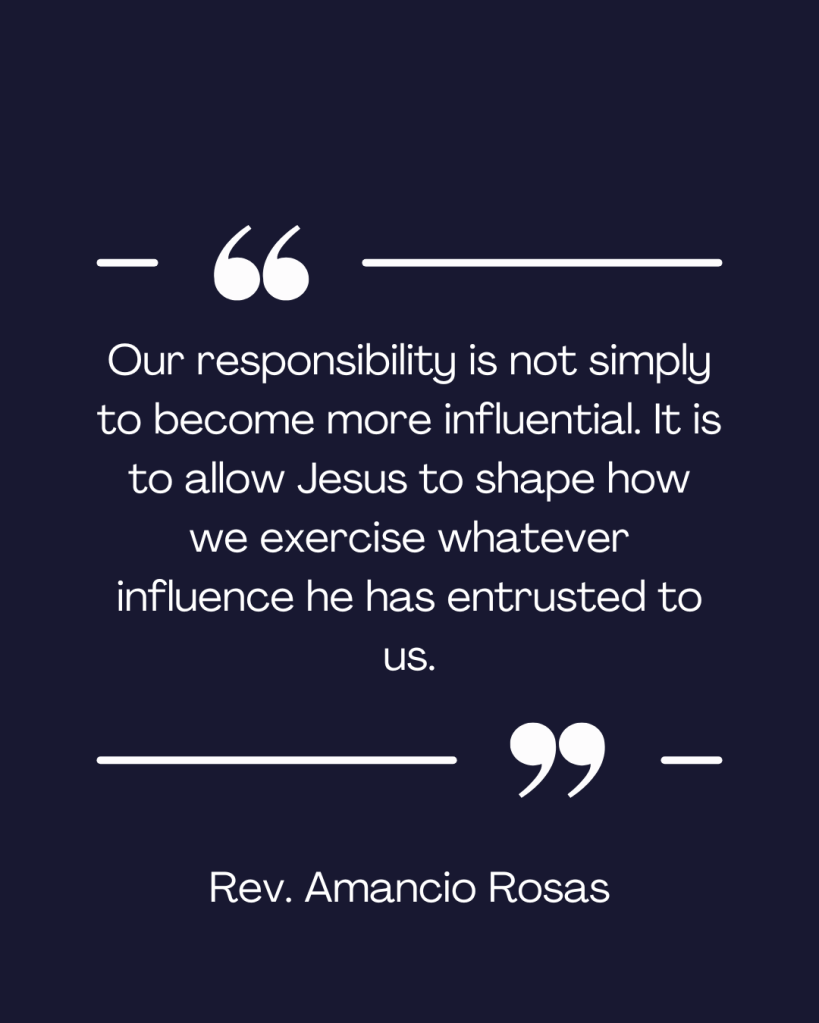
As Christian leaders, we must remember that our responsibility is not simply to become more influential. It is to allow Jesus to shape how we exercise whatever influence he has entrusted to us.

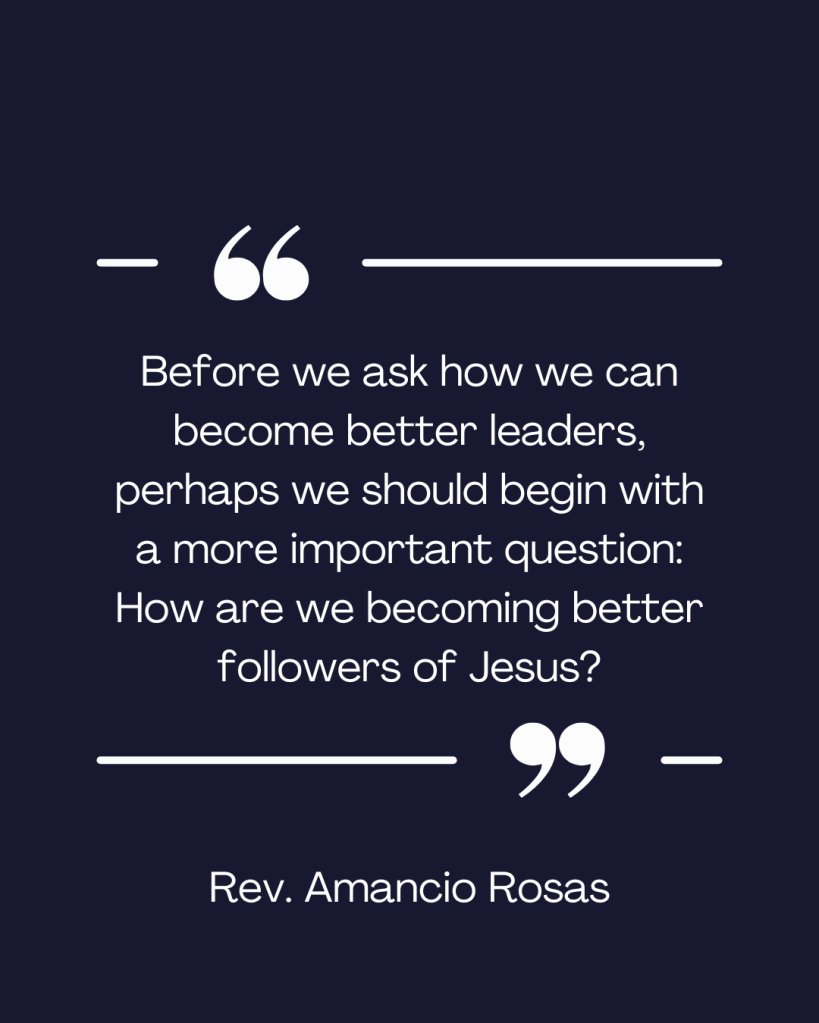
Before we ask how we can become better leaders, perhaps we should begin with a more important question:

How are we becoming better followers of Jesus?

This reflection is based on Eugene Peterson’s three-part Follow the Leader series, particularly his discussions of followership, relational leadership, prayer, success, and the distinction between ambition and energy.

Categories
Educational Journey Uncategorized

When Worship Hurts: Learning to Lament, Wait, and Trust God

When we think about worship, we often think about celebration.

We think about singing praises, declaring God’s goodness, thanking Him for answered prayers, and celebrating what He has done. These are beautiful and necessary expressions of worship. Yet Scripture reveals another dimension of worship that can sometimes make Christians uncomfortable:

Lament.

Lament reminds us that God is not afraid of the condition of our hearts. He receives our praises, but He also receives our questions, disappointments, fears, and cries for help.

Biblical worship does not require us to pretend everything is okay before approaching God.

Lament Is More Than Complaining

There is an important difference between lamenting and simply complaining.

Complaining can become focused entirely on the problem. Biblical lament brings the problem into the presence of God.

In Biblical Worship: Theology for God’s Glory, Erika Moore distinguishes biblical lament from contemporary ideas of psychological complaint. That distinction matters because lament has a theological direction.

Lament says:

“God, this hurts, but I am bringing this pain to You.”

The purpose is not simply to describe everything that has gone wrong. Lament creates a bridge between our suffering and our trust in God.

Throughout biblical lament, we find movements such as addressing God, presenting our concerns, asking Him to intervene, remembering His character, expressing confidence in Him, and continuing to worship.

This means faith does not require emotional dishonesty.

Sometimes one of the greatest expressions of faith is being willing to tell God exactly where we are while continuing to believe He is listening.

What Happens When God Seems Silent?

Psalm 88 provides an especially challenging picture of lament.

Many biblical passages eventually move toward an obvious declaration of hope or praise. Psalm 88 is different. The psalmist cries out to God while experiencing darkness, loneliness, and what feels like divine absence.

There is no neat resolution.

There is no immediate testimony at the end explaining how everything worked out.

And perhaps that is exactly why Christians need Psalm 88.

We often want prayer to produce a clear answer.

Yes.

No.

Go.

Stop.

This is what I am doing.

But what happens when the answer seems to be silence?

Dickson Ngama observes that sometimes believers must wait patiently even while making impatient demands of God, and that waiting itself requires faith.

That changes how we understand unanswered prayer.

Waiting is not necessarily evidence that God has abandoned us.

Waiting may become one of the places where faith is formed.

Faith in the Waiting

We live in a culture built around speed.

We can receive food quickly, communicate instantly, order products and have them delivered rapidly, and access enormous amounts of information within seconds.

Then we pray.

And sometimes God says:

Wait.

Waiting can expose things within us that immediate answers never would.

It confronts our fears.

It exposes our desire for control.

It challenges our expectations.

It forces us to ask whether our confidence rests in receiving the outcome we want or in the character of the God to whom we prayed.

There are situations in my own life where I would love for God to provide an immediate answer. Yet discipleship means learning that God’s timing does not operate according to my preferred schedule.

Sometimes faith means moving.

Sometimes faith means stopping.

And sometimes faith means remaining exactly where God has placed us until greater clarity comes.

Making a quick decision simply because waiting feels uncomfortable can easily become an attempt to manufacture our own answer.

Biblical lament teaches another possibility:

We can remain before God even when the answer has not arrived.

When Prayer Becomes Gossip

Lament also has implications for how churches respond to the suffering of others.

Church communities can become messy because churches consist of imperfect people being transformed by the grace of God.

Unfortunately, there are moments when Christians can disguise gossip as spiritual concern.

We have probably heard some variation of:

“I’m not gossiping. I’m telling you so we can pray for them.”

Yet simply attaching prayer language to someone’s personal situation does not automatically make the conversation healthy.

Biblical lament should draw us toward compassionate presence rather than curiosity about another person’s problems.

Instead of asking, “What happened to them?”

Perhaps the church should become better at asking:

“How can we stand with them?”

There are times when suffering people do not need another theological explanation.

They need someone willing to sit beside them.

Pray with them.

Cry with them.

Listen to them.

Carry burdens with them.

And continue believing with them when they are struggling to believe for themselves.

Can the Church Become a House of Lament?

This raises an important question for contemporary worship:

Does our worship make room for people who are suffering?

Churches should absolutely celebrate God’s goodness.

We should sing about His victory.

We should testify about answered prayer.

We should celebrate healing, restoration, salvation, deliverance, and transformation.

But what about the person whose prayer has not yet been answered?

What about the family experiencing grief?

What about the believer asking God for direction and hearing nothing?

What about someone faithfully praying for healing while continuing to suffer?

If our worship only gives language to victory, suffering Christians may begin wondering whether something is wrong with their faith.

Scripture gives them another vocabulary.

Lament.

Perhaps our churches need intentional moments where believers can acknowledge suffering together.

That could happen through congregational prayer, Scripture readings, pastoral prayer, testimony, small groups, prayer gatherings, or even carefully selected songs that acknowledge suffering while directing people toward God.

A church can be both a house of praise and a house of lament.

Those realities do not contradict one another.

They belong together.

Worshiping Before the Answer Comes

One of the deepest lessons of lament is that worship does not have to wait until the testimony is finished.

We can worship while waiting.

We can pray while confused.

We can trust while hurting.

We can remain faithful while still asking questions.

And sometimes our greatest declaration of faith is not:

“God answered exactly how I expected.”

Sometimes it is:

“I still trust God even though I do not understand what He is doing.”

Psalm 88 reminds us that Scripture has room for prayers that end without resolution.

That means the church should have room for people whose stories are still unfinished.

Perhaps mature worship is not only praising God after the breakthrough.

Perhaps mature worship is learning to remain in His presence before the answer comes.

Inspired by reflections from Biblical Worship: Theology for God’s Glory by Benjamin K. Forrest, Walter C. Kaiser Jr., Vernon M. Whaley, David M. Wheeler, John W. Cartwright, and C. Randall Bradley (Kregel Academic, 2021).


Categories
Educational Journey

When Repentance Becomes Convenient: Rediscovering Confession as Worship

There is a significant difference between wanting God and wanting God to fix our circumstances.

While reading Biblical Worship: Theology for God’s Glory, I was challenged by the discussion of Israel’s pattern of crying out to God during times of distress. Israel repeatedly experienced the consequences of pursuing other gods, only to turn toward the Lord when those pursuits failed.

This raises an uncomfortable question for believers today:

Do we seek God because we desire Him, or because we desire what He can do for us?

A Conversion of Convenience

Benjamin K. Forrest describes one of Israel’s responses as a “conversion of convenience.” Israel acknowledged its sin and removed its idols, but the larger biblical pattern demonstrates how easily people can turn toward God because circumstances have become unbearable rather than because their hearts genuinely desire Him.

We can encounter the same temptation today.

Sometimes God becomes our last resort rather than our first pursuit.

Prayer becomes urgent when the diagnosis comes. We seek God when the relationship begins falling apart. We suddenly become interested in His direction when our own plans stop working. We ask for deliverance when consequences finally reach us.

There is nothing wrong with crying out to God during suffering. Scripture repeatedly invites us to do exactly that. The deeper question concerns the posture of our hearts.

Are we seeking deliverance from our circumstances, or are we surrendering ourselves to God?

Authentic repentance is more than wanting circumstances to change. It involves allowing God to change us.

Prayer Is an Act of Worship

This challenged me to reconsider prayer as more than simply presenting requests before God.

Prayer is worship.

If worship involves recognizing who God is and responding appropriately to Him, then our prayer lives reveal something about our understanding of God.

When God becomes someone we primarily approach during emergencies, our relationship with Him can slowly become transactional:

God, I have a problem. Please solve it.

But a life of worship develops another posture:

God, whether I am experiencing peace or difficulty, I belong to You. Lead me.

Developing a consistent life of prayer prepares us for the storms that eventually come. Instead of discovering God only when everything collapses, we learn to walk with Him before, during, and after the storm.

Crisis does not create our relationship with God; it reveals the relationship we have been cultivating.

Rediscovering Confession

Another aspect of worship that deserves greater attention is confession.

I was raised Catholic, so confession was familiar to me from an early age. My understanding of confession has changed significantly since then, but studying worship has caused me to reconsider something important: perhaps Christians from nonliturgical traditions can learn from traditions that intentionally create space for confession.

In many evangelical and Pentecostal settings, we commonly emphasize confessing our sins directly to God—and rightly so.

But Scripture also gives confession a communal dimension.

James 5:16 instructs believers to “confess your sins to one another and pray for one another, that you may be healed.”

That challenges an exclusively individualistic understanding of repentance.

There are sins that need to be brought before God privately. Yet there are also moments when healing requires trusted Christian community, pastoral care, accountability, prayer, and confession to another believer.

Sin thrives in secrecy.

Healthy Christian community brings what has been hidden into the light.

What Could Confession Look Like in the Church?

This does not necessarily mean standing before an entire congregation and publicly describing every sin we have committed.

Healthy confession requires wisdom, appropriate relationships, pastoral safeguards, and discernment.

But what would happen if our churches became places where Christians were less afraid to admit that they were struggling?

What if small groups became places where people could say, “I need prayer because I am struggling with this,” without immediately fearing rejection?

What if mature believers intentionally mentored younger believers through repentance and restoration?

What if pastors and ministry leaders modeled a Christianity in which spiritual maturity did not mean pretending to have no struggles?

Perhaps confession should become more visible within our understanding of discipleship.

The church should not become a place where sin is celebrated or minimized. Neither should it become a place where people become so afraid of judgment that they learn to hide their sin successfully.

The goal is restoration.

From Convenient Christianity to Genuine Discipleship

This brings me back to Israel.

A “conversion of convenience” seeks God when God becomes useful.

Discipleship seeks God because He is Lord.

That distinction forces me to examine my own spiritual life. I do not want prayer to become something I suddenly rediscover when circumstances become difficult. I want prayer, repentance, and confession to become ordinary rhythms of worship.

And perhaps our churches need the same examination.

Are we creating disciples who know how to ask God for help, or disciples who know how to surrender their lives to Him?

Are we creating communities where Christians hide their struggles, or communities where repentance leads toward healing and restoration?

Most importantly:

Do we want God’s intervention, or do we want God Himself?

True worship cannot merely be a conversion of convenience.

It is a life continually surrendered to the One who is worthy of our worship—in seasons of blessing, seasons of suffering, and everything in between.


Scripture for Reflection

James 5:16 — “Therefore, confess your sins to one another and pray for one another, that you may be healed.”

Further Reading

Forrest, Benjamin K., Walter C. Kaiser Jr., Vernon M. Whaley, David M. Wheeler, John W. Cartwright, and C. Randall Bradley. Biblical Worship: Theology for God’s Glory. Grand Rapids, MI: Kregel Academic, 2021.