Worship is easy to associate with what happens inside the church. We sing, pray, hear Scripture, give, and gather with other believers. Yet biblical worship consistently challenges us to consider what happens after we leave the sanctuary.
Does our worship change how we treat people?
Does our relationship with God shape how we respond to injustice?
And when people are overwhelmed by sin and guilt, are we willing to stand in the gap and pray for them?
The books of Amos and Ezra approach these questions from different circumstances, but together they reveal something important: worship should move us toward both people and God. We act with compassion toward others while interceding before God on their behalf.
When Worship and Justice Become Separated
During the time of Amos, Israel continued practicing religious rituals while injustice and oppression remained present within society. Their problem was not simply that they had abandoned religious activity. In many ways, they were still religious.
The problem was the separation between their worship and their treatment of others.
R. Alan Fuhr describes how Israel practiced the ritual worship required by the Mosaic law while simultaneously participating in social oppression and societal neglect. Their outward worship continued, but something was deeply wrong with the life surrounding it.
Israel could not separate devotion to God from righteous treatment of others.
That same principle should challenge Christians today.
We often emphasize having a “personal relationship with God,” and that relationship is essential. We also recognize our relationship with the Body of Christ. But biblical worship pushes us beyond ourselves. If we worship a God who is righteous, compassionate, merciful, and just, those characteristics should increasingly shape how we interact with the people around us.
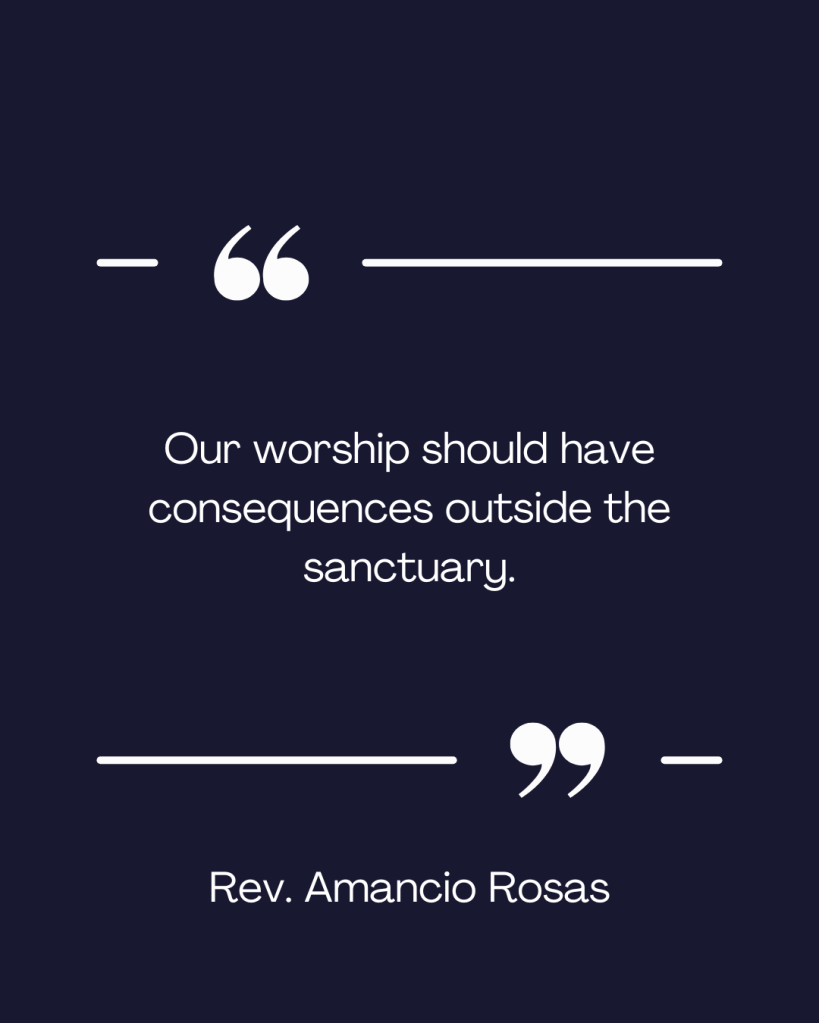
Our worship should have consequences outside the sanctuary.
More Than Choosing a Side
When injustice or oppression becomes visible, our first instinct can sometimes be to determine which “side” we are supposed to support.
But Christian faithfulness requires something deeper.
Our response cannot be reduced simply to voting, political affiliation, or participation in cultural arguments. Before asking which group we belong to, we should be asking what faithfulness to Christ requires of us.
Who is hurting?
Who is being overlooked?
Where is truth being ignored?
How can we love our neighbor while remaining faithful to God?
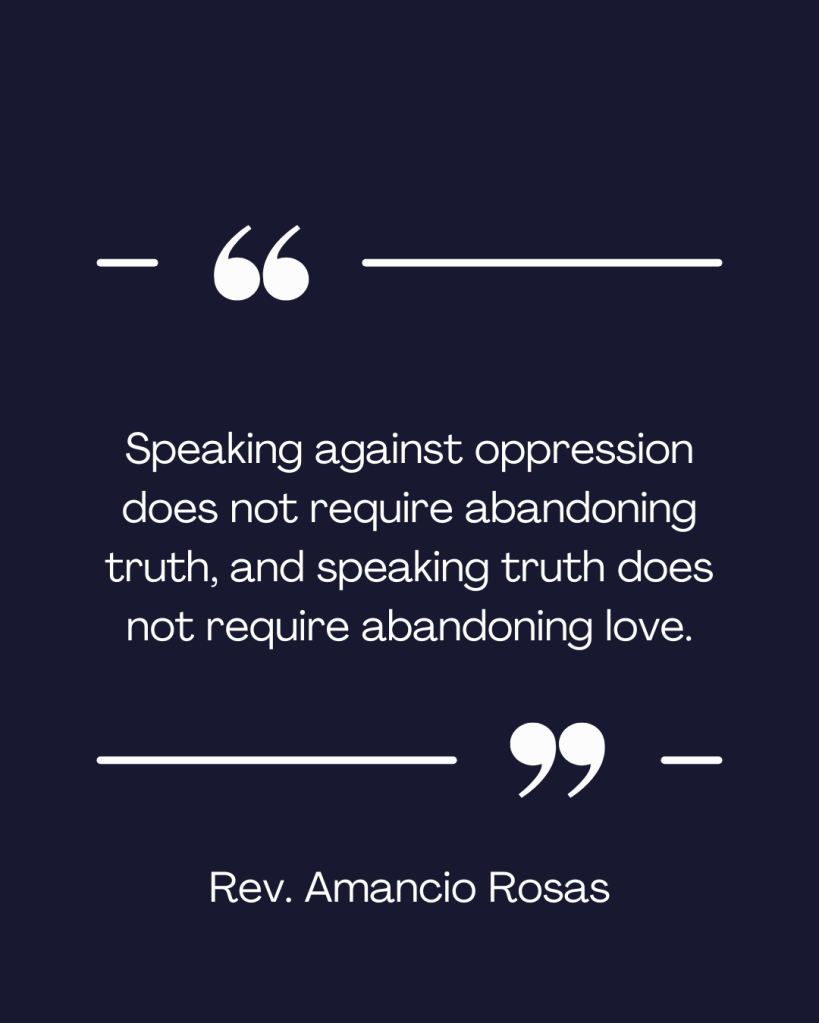
Speaking against oppression does not require abandoning truth, and speaking truth does not require abandoning love. Biblical worship should form believers who are capable of doing both.
If our lips declare the goodness of God on Sunday, our actions throughout the week should reflect the character of the God we worship.
When Guilt Builds Walls
Ezra introduces another dimension of worship: intercession.
After Israel survived exile, the people continued struggling with compromise and sin. Ezra felt the spiritual weight of what was happening among God’s people and responded through prayer.
Donna Petter makes an important observation about Ezra’s prayer: it calls upon God’s mercy to act.
There is an important tension here.
The people still needed to respond through repentance. Ezra’s prayer did not eliminate human responsibility. Yet Israel could not manufacture divine forgiveness for itself either. They needed the mercy and grace of God.
This has significant implications for pastoral ministry.
I have seen people become stuck in their faith because of their past. Even after change begins and forgiveness has been offered, guilt can remain.
The question becomes:
“Does God really love me even though I have sinned?”
When that question goes unanswered, guilt can slowly build walls.
When an Encounter Turns Into Guilt
I have seen a version of this in youth ministry.
A young person may come to church and genuinely encounter God. Then they disappear for several weeks. Eventually, the longer they stay away, the harder returning becomes.
What began as an encounter with God can become overshadowed by guilt.
They may think they have disappointed God. They may feel embarrassed about returning. They may convince themselves that they need to “get right” before coming back.
Those are moments when pastoral ministry requires more than asking, “Where have you been?”
Sometimes we need to stand in the gap.
Ezra reminds me of the importance of praying on behalf of the people God has entrusted to us. I have had opportunities to pray over young people and ask God to extend His mercy, restore their hearts, and help them experience the freedom they have in Christ.
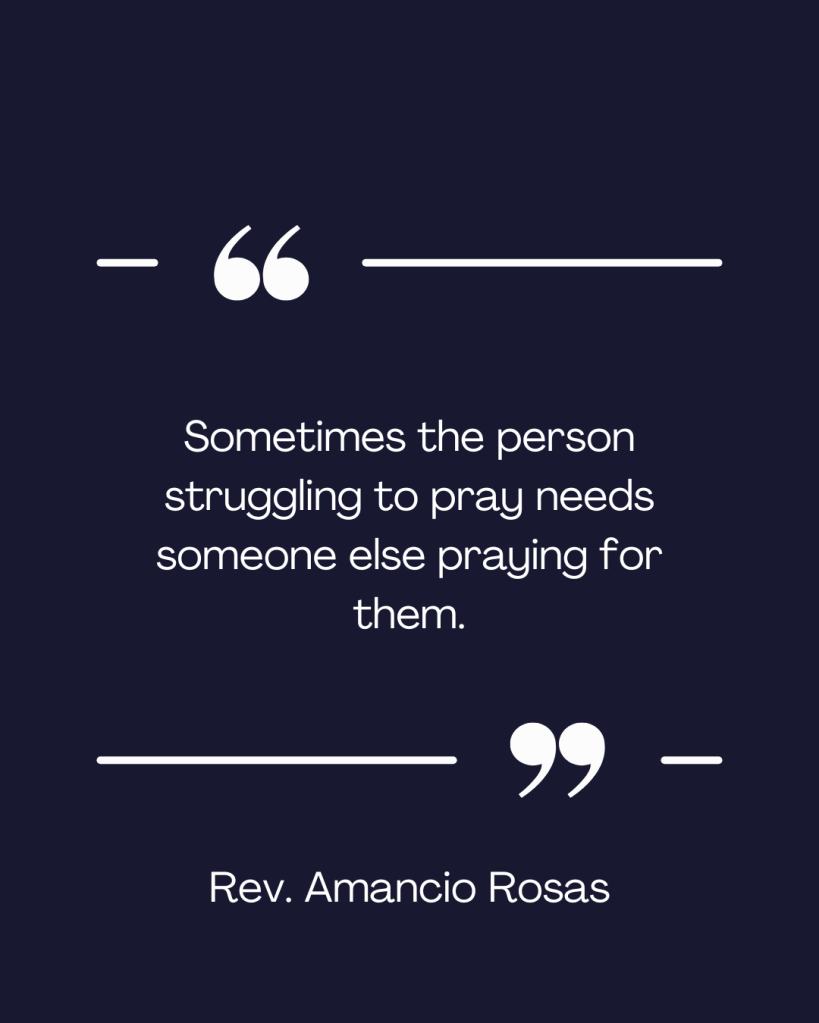
Sometimes the person struggling to pray needs someone else praying for them.
That is part of the beauty of intercession.
Worship Moves in Two Directions
Amos and Ezra ultimately challenge me in complementary ways.
Amos pushes worship outward.
If I worship God, I should care about my neighbor. I should notice suffering, confront injustice with truth and love, and refuse to allow my Christianity to become merely ritualistic.
Ezra pushes worship upward.
When I see brokenness, sin, guilt, and spiritual struggle around me, I should bring those people before God. I cannot transform another person’s heart, but I can intercede for them and trust the mercy of God.
Together, these perspectives create a powerful picture of worship:
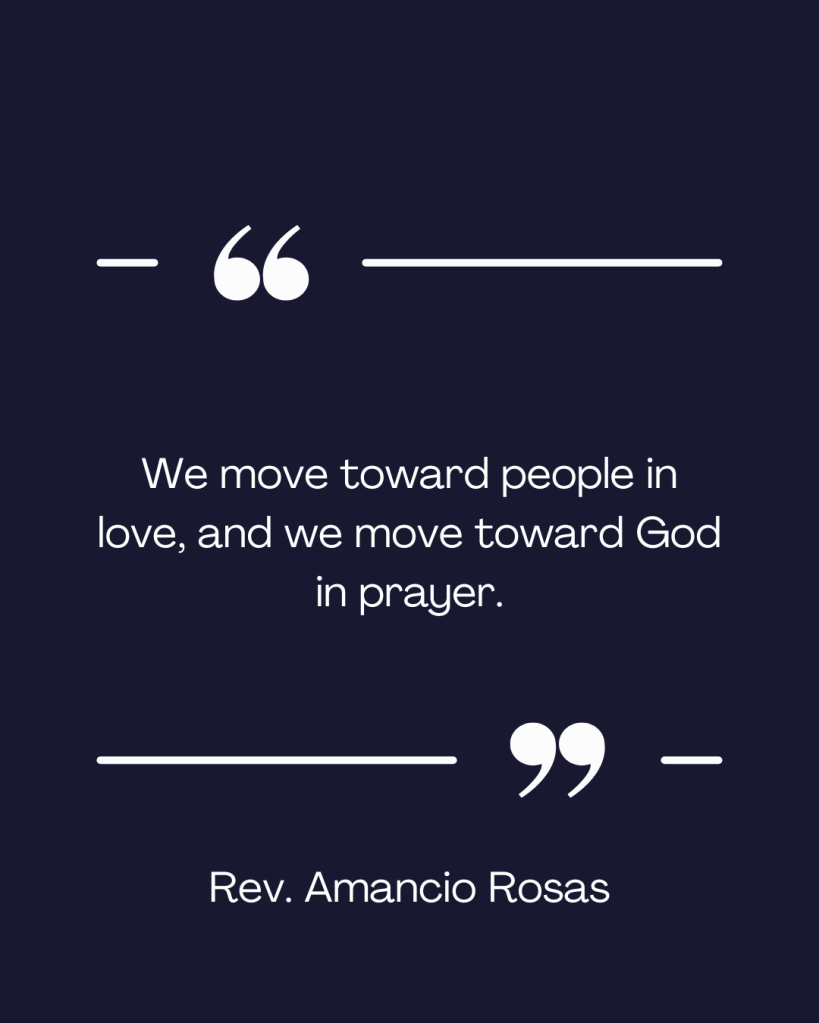
We move toward people in love, and we move toward God in prayer.
That challenges me personally because life does not become less busy as ministry responsibilities increase. If anything, busyness makes intentional intercession more difficult.
But perhaps that is exactly why it must become a discipline.
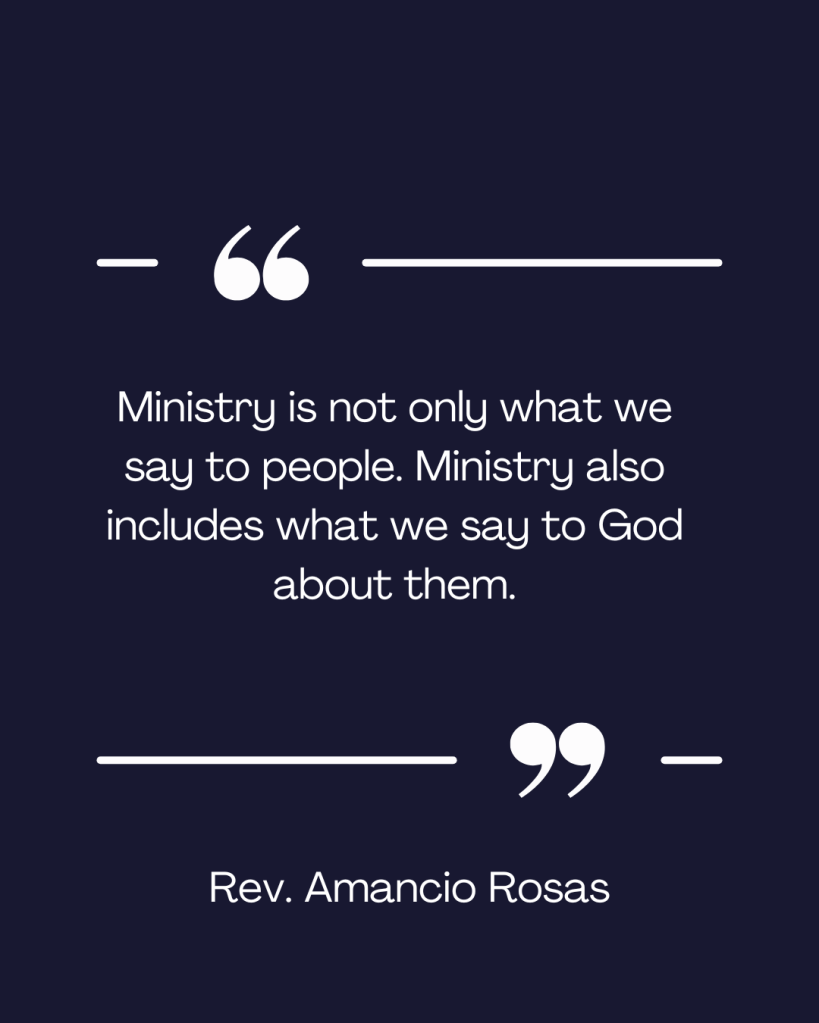
The more people God places around me, the greater my responsibility to remember that ministry is not only what I say to people. Ministry also includes what I say to God about them.
From Ritual to a Life of Worship
The challenge of Amos remains relevant: worship cannot become something we perform while ignoring the world around us.
The example of Ezra adds another dimension: when we encounter the brokenness of that world, our response should include intercession.
Biblical worship therefore refuses to remain confined to a service.
It enters our relationships.
It shapes our response to injustice.
It brings other people’s burdens into our prayers.
It calls us toward repentance.
And it continually brings us back to the mercy of God.
Perhaps one of the questions every worshiper should regularly ask is not simply, “Did I worship God today?”
Instead, we might ask:
“What is my worship producing in the way I love people, respond to brokenness, and pray for those God has placed around me?”
When worship begins transforming those areas of our lives, it moves beyond ritual and becomes a way of life.