Categories
Uncategorized

Honest Worship: Bringing Our Hearts and Our Community Before God

A busy life can make it easy to move through spiritual routines without pausing to examine our hearts. We attend church, hear Scripture, and participate in prayer. Yet a question remains: Are we willing to let God change us?

During a recent prayer-night devotional, I reflected on Ezra 9:5–6 and two closely connected themes: honesty before God and concern for His people. Ezra’s response challenged me to consider both the sincerity of my worship and the people I carry into prayer.

A Restored Temple and a People Still Needing Renewal

Ezra ministered after the Babylonian exile, during the Persian period. The temple had already been rebuilt under the leadership of Zerubbabel and Jeshua, with encouragement from the prophets Haggai and Zechariah. Ezra later arrived as a priest and scribe committed to studying, practicing, and teaching God’s law (Ezra 6:14–15; 7:6–10).

Although the people had returned to their land, they still needed spiritual renewal. Ezra 9 describes covenant unfaithfulness involving marriages with surrounding peoples and participation in their detestable practices.

When Ezra learned what had happened, he grieved. At the evening sacrifice, he knelt, spread his hands toward God, and confessed the community’s sin.

His response invites us to ask how we respond when we recognize compromise in ourselves and among God’s people.

Honest Worship Requires Surrender

Ezra’s posture expressed the seriousness of his prayer. His kneeling and outstretched hands accompanied grief and confession. The challenge for us is to consider whether our outward expressions of worship reflect inward surrender.

Am I honest with God in prayer? Do I want Him to change me? Am I willing to follow His direction when it differs from my preference?

Luke 10:27 describes loving God with our heart, soul, strength, and mind, alongside loving our neighbor. That wholehearted devotion helps us consider how much of our lives we are willing to surrender.

I recognize how easily busyness can carry me through the motions. Work, school, and ministry responsibilities fill the day. I can think about Scripture while still needing to pause and respond to God personally.

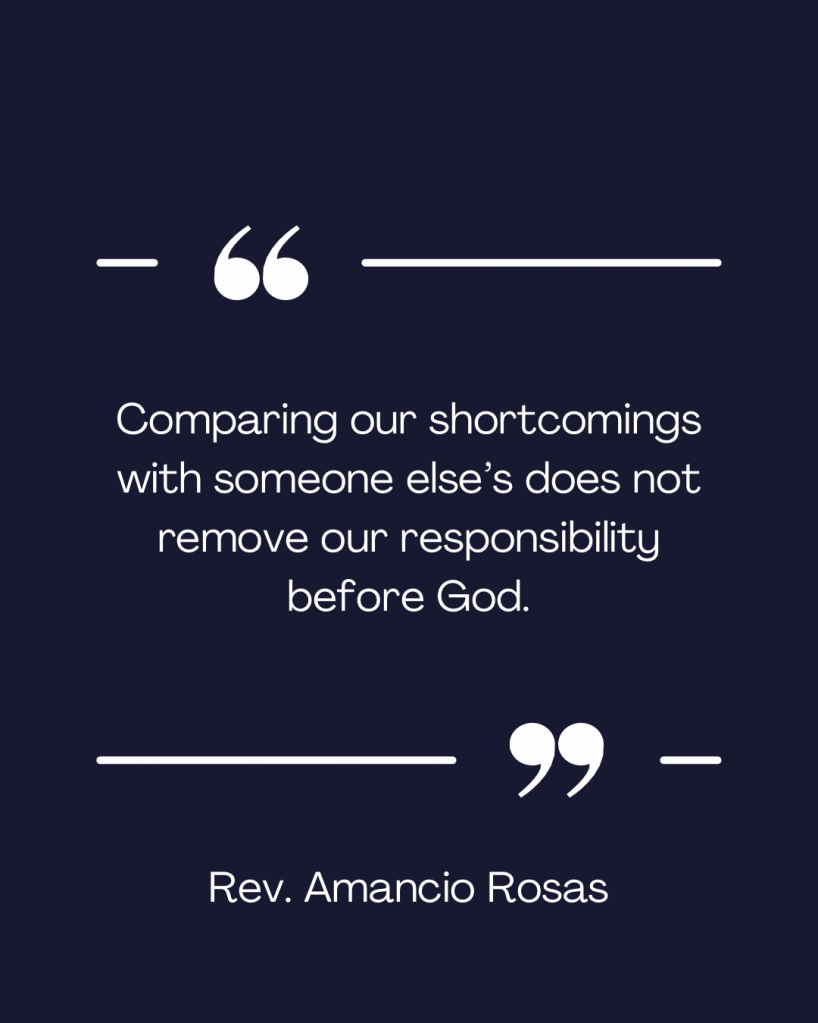
Honesty also requires recognizing how we justify wrongdoing. We might describe a misleading statement in a way that makes it sound acceptable or compare ourselves with someone whose actions seem worse.

Different sins can cause different degrees of harm. However, comparison does not remove our responsibility. We need to ask what is true, whom we have hurt, and what obedience requires.

Repentance opens the way to acknowledging our wrong, receiving God’s mercy, and making the necessary change.

Intercession Grows from Shared Concern

In Ezra 9:6, Ezra speaks of “our” sins and “our” guilt. He identifies with the community as he confesses before God.

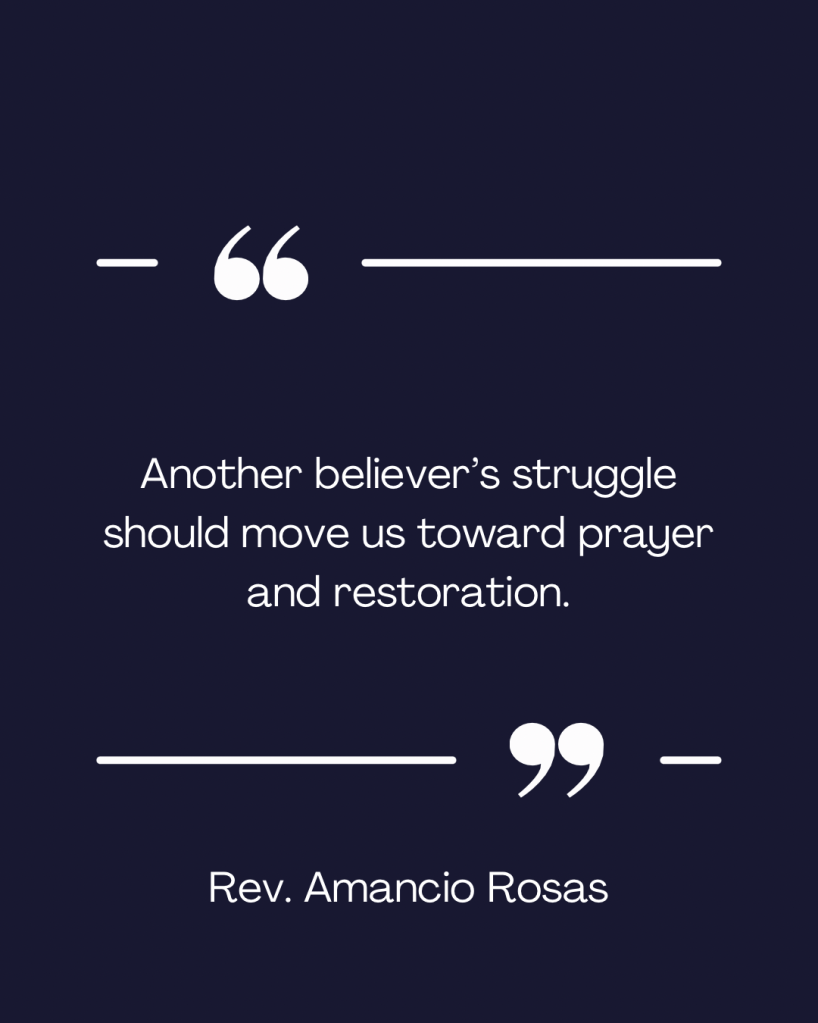
That shared concern challenges how we respond to struggling people. Do their difficulties move us toward prayer and restoration?

I work with fourth- and fifth-grade students. When they do not listen, frustration comes easily. But am I praying for them? Am I praying for my coworkers, for people who have hurt me, and for fellow believers who are struggling?

First Corinthians 12:26 teaches that members of Christ’s body share one another’s suffering and honor. Intercessory prayer is one way we express that belonging. We carry people’s needs before God because their lives matter to us.

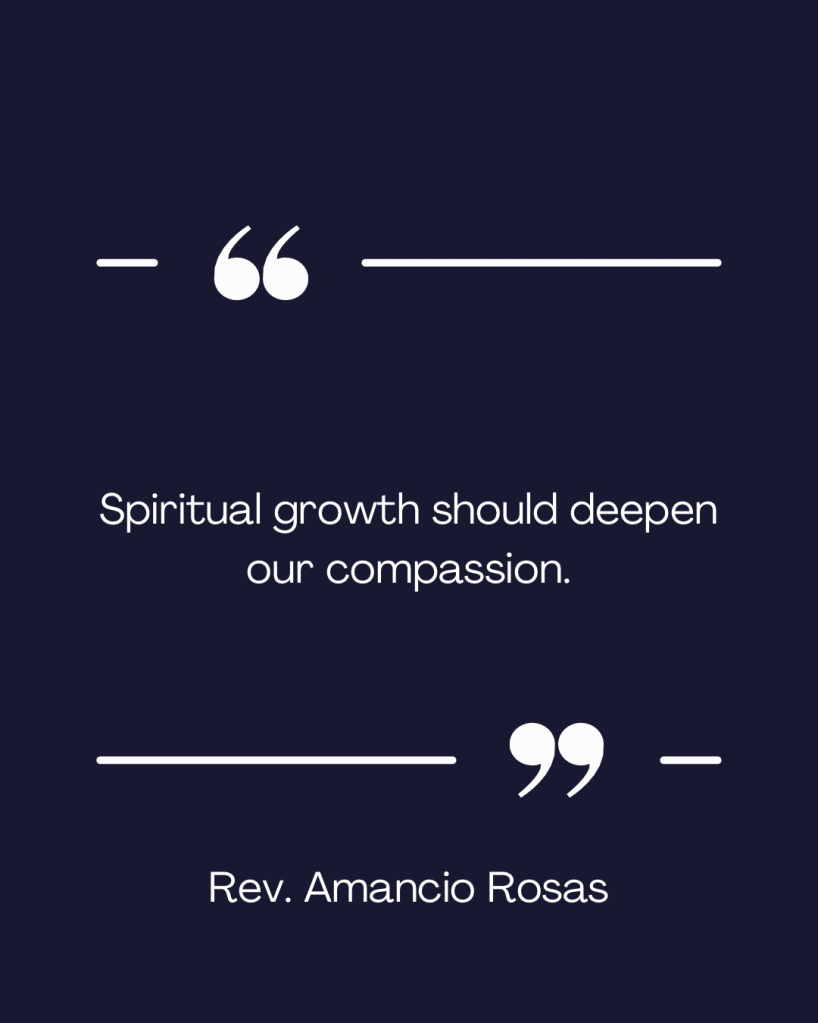
Spiritual growth should deepen our compassion. Prayer, Bible study, and ministry service do not give us grounds to treat others as spiritually inferior. Accountability matters, and its purpose should include helping people move toward repentance and restoration.

We are not walking this walk alone.

Christ’s Sacrifice Gives Us Confidence to Draw Near

Our confidence before God rests on Jesus Christ. He offered Himself for our sins once for all, and through Him we can draw near with sincere hearts and the assurance of faith (Hebrews 10:10–14, 19–22).

Prayer and Bible reading nourish our faith, but they cannot earn redemption or make us superior to others. We receive salvation through Christ and respond to His mercy with obedience.

Romans 12:1 describes that response as offering ourselves as living sacrifices. Christ’s sacrifice redeems us; we offer our lives to Him in gratitude.

As we pray, we can bring both our own need for renewal and the needs of those around us. Ask the Holy Spirit to reveal where surrender is needed and bring someone to mind who needs prayer.

Who needs encouragement? Who needs restoration? What practical act of care can follow your prayer?

Honest worship brings our whole lives before God. Intercession brings our community with us.

Categories
Educational Journey

When Repentance Becomes Convenient: Rediscovering Confession as Worship

There is a significant difference between wanting God and wanting God to fix our circumstances.

While reading Biblical Worship: Theology for God’s Glory, I was challenged by the discussion of Israel’s pattern of crying out to God during times of distress. Israel repeatedly experienced the consequences of pursuing other gods, only to turn toward the Lord when those pursuits failed.

This raises an uncomfortable question for believers today:

Do we seek God because we desire Him, or because we desire what He can do for us?

A Conversion of Convenience

Benjamin K. Forrest describes one of Israel’s responses as a “conversion of convenience.” Israel acknowledged its sin and removed its idols, but the larger biblical pattern demonstrates how easily people can turn toward God because circumstances have become unbearable rather than because their hearts genuinely desire Him.

We can encounter the same temptation today.

Sometimes God becomes our last resort rather than our first pursuit.

Prayer becomes urgent when the diagnosis comes. We seek God when the relationship begins falling apart. We suddenly become interested in His direction when our own plans stop working. We ask for deliverance when consequences finally reach us.

There is nothing wrong with crying out to God during suffering. Scripture repeatedly invites us to do exactly that. The deeper question concerns the posture of our hearts.

Are we seeking deliverance from our circumstances, or are we surrendering ourselves to God?

Authentic repentance is more than wanting circumstances to change. It involves allowing God to change us.

Prayer Is an Act of Worship

This challenged me to reconsider prayer as more than simply presenting requests before God.

Prayer is worship.

If worship involves recognizing who God is and responding appropriately to Him, then our prayer lives reveal something about our understanding of God.

When God becomes someone we primarily approach during emergencies, our relationship with Him can slowly become transactional:

God, I have a problem. Please solve it.

But a life of worship develops another posture:

God, whether I am experiencing peace or difficulty, I belong to You. Lead me.

Developing a consistent life of prayer prepares us for the storms that eventually come. Instead of discovering God only when everything collapses, we learn to walk with Him before, during, and after the storm.

Crisis does not create our relationship with God; it reveals the relationship we have been cultivating.

Rediscovering Confession

Another aspect of worship that deserves greater attention is confession.

I was raised Catholic, so confession was familiar to me from an early age. My understanding of confession has changed significantly since then, but studying worship has caused me to reconsider something important: perhaps Christians from nonliturgical traditions can learn from traditions that intentionally create space for confession.

In many evangelical and Pentecostal settings, we commonly emphasize confessing our sins directly to God—and rightly so.

But Scripture also gives confession a communal dimension.

James 5:16 instructs believers to “confess your sins to one another and pray for one another, that you may be healed.”

That challenges an exclusively individualistic understanding of repentance.

There are sins that need to be brought before God privately. Yet there are also moments when healing requires trusted Christian community, pastoral care, accountability, prayer, and confession to another believer.

Sin thrives in secrecy.

Healthy Christian community brings what has been hidden into the light.

What Could Confession Look Like in the Church?

This does not necessarily mean standing before an entire congregation and publicly describing every sin we have committed.

Healthy confession requires wisdom, appropriate relationships, pastoral safeguards, and discernment.

But what would happen if our churches became places where Christians were less afraid to admit that they were struggling?

What if small groups became places where people could say, “I need prayer because I am struggling with this,” without immediately fearing rejection?

What if mature believers intentionally mentored younger believers through repentance and restoration?

What if pastors and ministry leaders modeled a Christianity in which spiritual maturity did not mean pretending to have no struggles?

Perhaps confession should become more visible within our understanding of discipleship.

The church should not become a place where sin is celebrated or minimized. Neither should it become a place where people become so afraid of judgment that they learn to hide their sin successfully.

The goal is restoration.

From Convenient Christianity to Genuine Discipleship

This brings me back to Israel.

A “conversion of convenience” seeks God when God becomes useful.

Discipleship seeks God because He is Lord.

That distinction forces me to examine my own spiritual life. I do not want prayer to become something I suddenly rediscover when circumstances become difficult. I want prayer, repentance, and confession to become ordinary rhythms of worship.

And perhaps our churches need the same examination.

Are we creating disciples who know how to ask God for help, or disciples who know how to surrender their lives to Him?

Are we creating communities where Christians hide their struggles, or communities where repentance leads toward healing and restoration?

Most importantly:

Do we want God’s intervention, or do we want God Himself?

True worship cannot merely be a conversion of convenience.

It is a life continually surrendered to the One who is worthy of our worship—in seasons of blessing, seasons of suffering, and everything in between.


Scripture for Reflection

James 5:16 — “Therefore, confess your sins to one another and pray for one another, that you may be healed.”

Further Reading

Forrest, Benjamin K., Walter C. Kaiser Jr., Vernon M. Whaley, David M. Wheeler, John W. Cartwright, and C. Randall Bradley. Biblical Worship: Theology for God’s Glory. Grand Rapids, MI: Kregel Academic, 2021.

Categories
Ministry Journey Uncategorized

Spiritual Growth | The Father’s House Youth | Amancio Rosas | May 14 2021 Summary

In this sermon, I break down what it truly means to grow spiritually, and I use everyday examples like trying to lose weight while eating Hot Cheetos to remind everyone that growth is intentional. No one becomes physically fit by sitting still, and spiritual maturity doesn’t just appear out of nowhere. God already chose us and provided a path for transformation, but we must take the steps to cultivate that growth daily through prayer, devotion, and community.

I share Acts 2:42 as a picture of the early church’s growth: they devoted themselves to the apostles’ teaching, fellowship, breaking bread, and prayer. I explain that these same rhythms help us grow today. Teaching helps us understand who Jesus is. Fellowship forms Christlike relationships. Breaking bread builds community and hospitality. Prayer aligns our hearts with God’s presence and power. Spiritual growth is built on unity, coming together with intentionality.

I also walk through Jesus’ Parable of the Sower to show the hindrances that can block our growth. Some hearts are like the path: the Word never takes root and the enemy steals it quickly. Some are like rocky soil: they receive the Word with joy but fall away when life gets difficult. Others are like soil with thorns: they want God but allow worry, fear, and the pursuit of control or wealth to choke out their growth. And then there is good soil, the heart that receives the Word, understands it, trusts God, and produces lasting fruit.

Throughout the message, I challenge our youth to take spiritual inventory:

Which soil am I right now?

Am I the one who won’t even try?

The one who starts strong but quits when it gets hard?

The one who loves God but struggles to trust Him?

Or the one choosing to grow no matter the season?

Just like working out, growth happens in stages: 10 pounds, then 20, then 30. Some stop because it’s painful. Others push through, trust the process, and eventually grow stronger. Spiritually, the same is true: trust, perseverance, and intentional habits determine whether we stay stuck or mature into who God wants us to be.

I close by reminding them that life happens in seasons. Some seasons require perseverance; others allow for rest and renewal. But if we take growth seriously, stay connected to God and community, and trust Him through the process, we’ll be spiritually prepared for whatever comes next.

Categories
Ministry Journey

Spirit Filled Life | The Father’s House Youth | Amancio Rosas April 16 2021 Summary

In this sermon, I teach our youth what it means to live a Spirit-filled life and why Jesus had to return to the Father so that the Holy Spirit could come. If Jesus had stayed physically on earth, His presence would have been limited to one place at a time, but through the Holy Spirit, God now dwells within every believer, guiding us, comforting us, and empowering us daily.

I begin by explaining that the Holy Spirit is not an “it” or a force, He is a person, the third Person of the Trinity, and He relates to us like a friend. Just like healthy friends tell us the truth, walk with us through hardship, and help us grow, the Holy Spirit does the same, yet in a deeper, supernatural way. Many people struggle with the idea of the supernatural, but our faith is rooted in a God who is Spirit, a God who fills the emptiness in our hearts that the world can never satisfy.

From there, I walk through Jesus’ promise in John 14 and 16 that the Spirit would come as our Advocate. The world can’t recognize Him, but we can, because He lives within us. The Holy Spirit’s presence in our lives becomes evidence of God’s power and love at work, and He begins producing transformation from the inside out.

I then teach on the fruit of the Spirit, using an apple as a visual. Jesus said people are known by their fruit, meaning our actions reveal what is truly inside of us. The fruit of the Spirit (love, joy, peace, patience, kindness, goodness, faithfulness, gentleness, and self-control) shows whether we’re being led by the Spirit or by our flesh. I share practical, everyday examples, waiting patiently at the DMV, responding kindly to difficult customers, showing gentleness when correcting someone, and exercising self-control when anger rises. These aren’t just Christian ideals; they’re spiritual attributes the Holy Spirit grows in us over time.

Next, I teach on the gifts of the Spirit from 1 Corinthians 12. While the fruit shapes our character, the gifts empower our ministry. I share real-life examples from my own walk: moments where God gave me supernatural wisdom in conversation, times when I sensed a spiritual presence in someone, and moments when the Spirit gave interpretation during a time of tongues. These gifts operate not for personal pride but “for the common good,” to build up the church and reveal God’s supernatural love and truth.

Finally, I remind the youth that as a Spirit-filled church, we should not be surprised when the Spirit moves. We shouldn’t be surprised when God changes the direction of a sermon, convicts a heart, gives a prophetic word, or pours out a gift in the room. We honor the Word of God, we stay balanced, and we remain grounded in Scripture, but we also fully expect the Spirit to show up, because Jesus promised He would.

I close with prayer, asking the Holy Spirit to make Himself real in our lives, speak to us when we need direction, grow His fruit in us, and activate His gifts within us. My heart is that every student understands that the Spirit-filled life is not mystical or strange, it’s the normal Christian life, empowered by God Himself.

Categories
Ministry Journey Uncategorized

3 Agreements | The Father’s House Live Oak | Amancio Rosas Jan 21, 2021 (Summary)

In this message, I shared what the Lord placed on my heart for our church: three essential agreements that every believer needs in order to live a transformed life. We live in a fast-paced world where spiritual life can easily turn into a checklist, but God is calling us back to the foundations, agreement with the Word, agreement with the Spirit, and agreement with the Body of Christ. These three agreements have shaped my own walk with God, and they continue to anchor me today.

I began by talking about agreement with the Word of God, because it is the Word that renews our minds. Romans 12:2 reminds us not to conform to the patterns of this world but to be transformed by the renewing of our minds. I shared how, as a teenager, receiving a Message Bible ignited something in me. The Word came alive, reshaped my identity, and eventually led me to start a Christian club on my high school campus. God used Scripture to break old habits, heal insecurity, and redirect my purpose. When I say the Word brings renewal, I’m speaking from experience, renewal changes patterns, thinking, and eventually lifestyle.

The second agreement I taught on is agreement with the Spirit, because the Holy Spirit is the One who empowers obedience. We can know Scripture well and still struggle if we aren’t yielding to the Spirit’s leading. I’ve learned firsthand that it is not my strength that frees me from old behaviors or emotional patterns, it’s the Spirit’s power. When we refuse His nudging or quench His leading, our hearts grow cold, and we start justifying the things God wants to heal. But when we walk with the Spirit, denying ourselves daily, He redirects us, softens our hearts, and gives us the strength to live out what the Word teaches.

Finally, I taught about agreement with the Body of Christ, because transformation also requires community. Scripture calls us to sharpen one another, restore one another, and encourage one another. Correction can be uncomfortable, just like iron sharpening iron, but it is necessary for growth. Not everyone has earned the right to correct us, but those who love us and want to see us whole are part of God’s design for accountability. When we walk in unity, show humility, and refuse to slander or fight with each other, we shine as lights in a dark and chaotic world. Our battles are not against flesh and blood, so our posture must always be prayer, compassion, and restoration.

I closed by sharing my heart for the next generation. As a youth pastor, I know these kids face spiritual battles we often don’t see. My commitment is to fight for them in prayer, to walk alongside them, and to help them discover their identity and purpose in Christ. God is moving even, when we don’t see it, and He calls us, His church, to stand in agreement with His Word, His Spirit, and His Body so that His perfect and pleasing will can be revealed in our lives and in our house.