Categories
Uncategorized

Honest Worship: Bringing Our Hearts and Our Community Before God

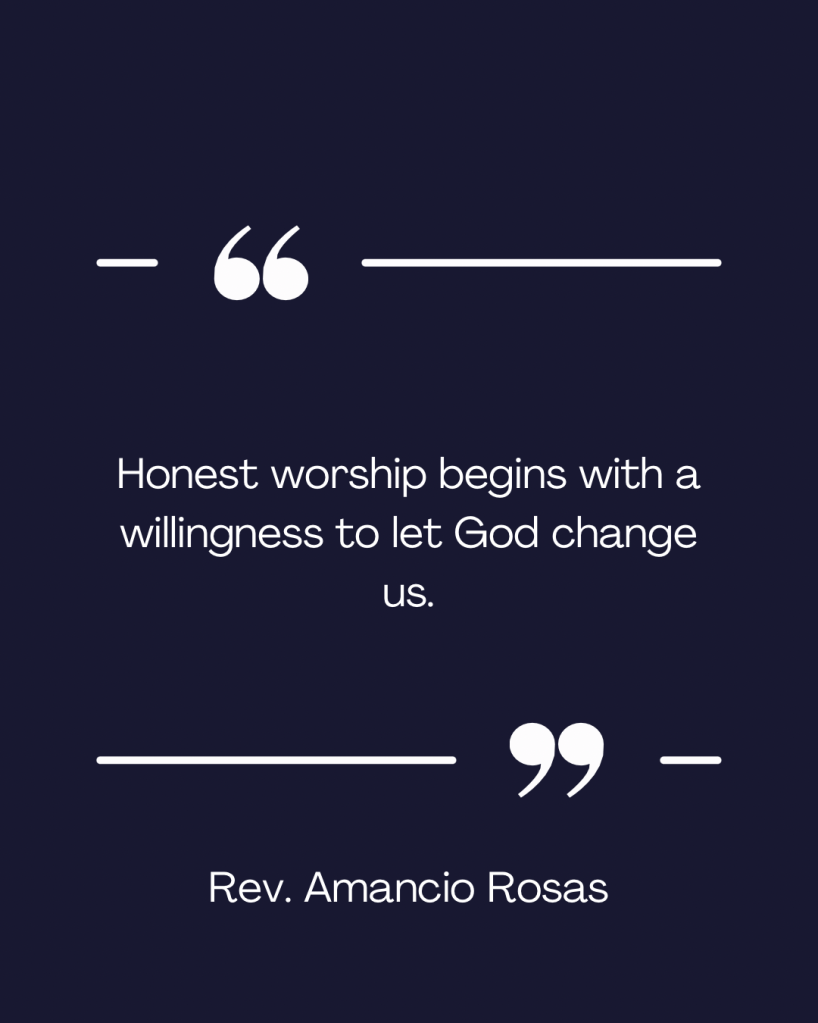
A busy life can make it easy to move through spiritual routines without pausing to examine our hearts. We attend church, hear Scripture, and participate in prayer. Yet a question remains: Are we willing to let God change us?

During a recent prayer-night devotional, I reflected on Ezra 9:5–6 and two closely connected themes: honesty before God and concern for His people. Ezra’s response challenged me to consider both the sincerity of my worship and the people I carry into prayer.

A Restored Temple and a People Still Needing Renewal

Ezra ministered after the Babylonian exile, during the Persian period. The temple had already been rebuilt under the leadership of Zerubbabel and Jeshua, with encouragement from the prophets Haggai and Zechariah. Ezra later arrived as a priest and scribe committed to studying, practicing, and teaching God’s law (Ezra 6:14–15; 7:6–10).

Although the people had returned to their land, they still needed spiritual renewal. Ezra 9 describes covenant unfaithfulness involving marriages with surrounding peoples and participation in their detestable practices.

When Ezra learned what had happened, he grieved. At the evening sacrifice, he knelt, spread his hands toward God, and confessed the community’s sin.

His response invites us to ask how we respond when we recognize compromise in ourselves and among God’s people.

Honest Worship Requires Surrender

Ezra’s posture expressed the seriousness of his prayer. His kneeling and outstretched hands accompanied grief and confession. The challenge for us is to consider whether our outward expressions of worship reflect inward surrender.

Am I honest with God in prayer? Do I want Him to change me? Am I willing to follow His direction when it differs from my preference?

Luke 10:27 describes loving God with our heart, soul, strength, and mind, alongside loving our neighbor. That wholehearted devotion helps us consider how much of our lives we are willing to surrender.

I recognize how easily busyness can carry me through the motions. Work, school, and ministry responsibilities fill the day. I can think about Scripture while still needing to pause and respond to God personally.

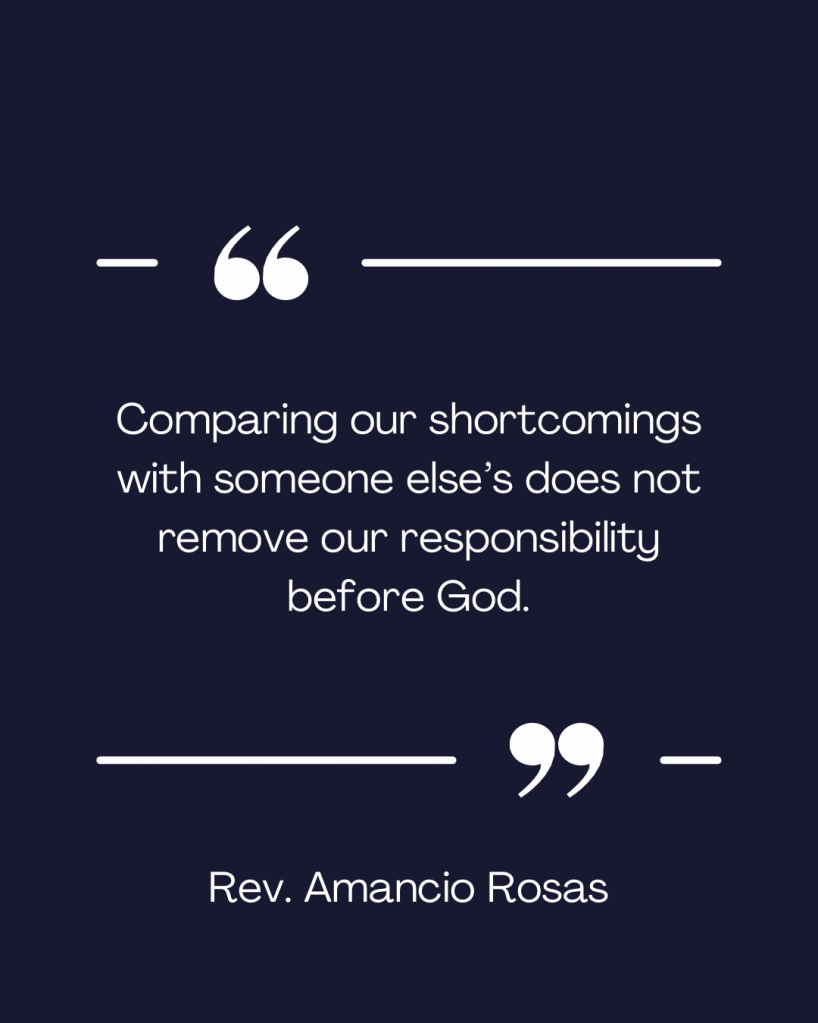
Honesty also requires recognizing how we justify wrongdoing. We might describe a misleading statement in a way that makes it sound acceptable or compare ourselves with someone whose actions seem worse.

Different sins can cause different degrees of harm. However, comparison does not remove our responsibility. We need to ask what is true, whom we have hurt, and what obedience requires.

Repentance opens the way to acknowledging our wrong, receiving God’s mercy, and making the necessary change.

Intercession Grows from Shared Concern

In Ezra 9:6, Ezra speaks of “our” sins and “our” guilt. He identifies with the community as he confesses before God.

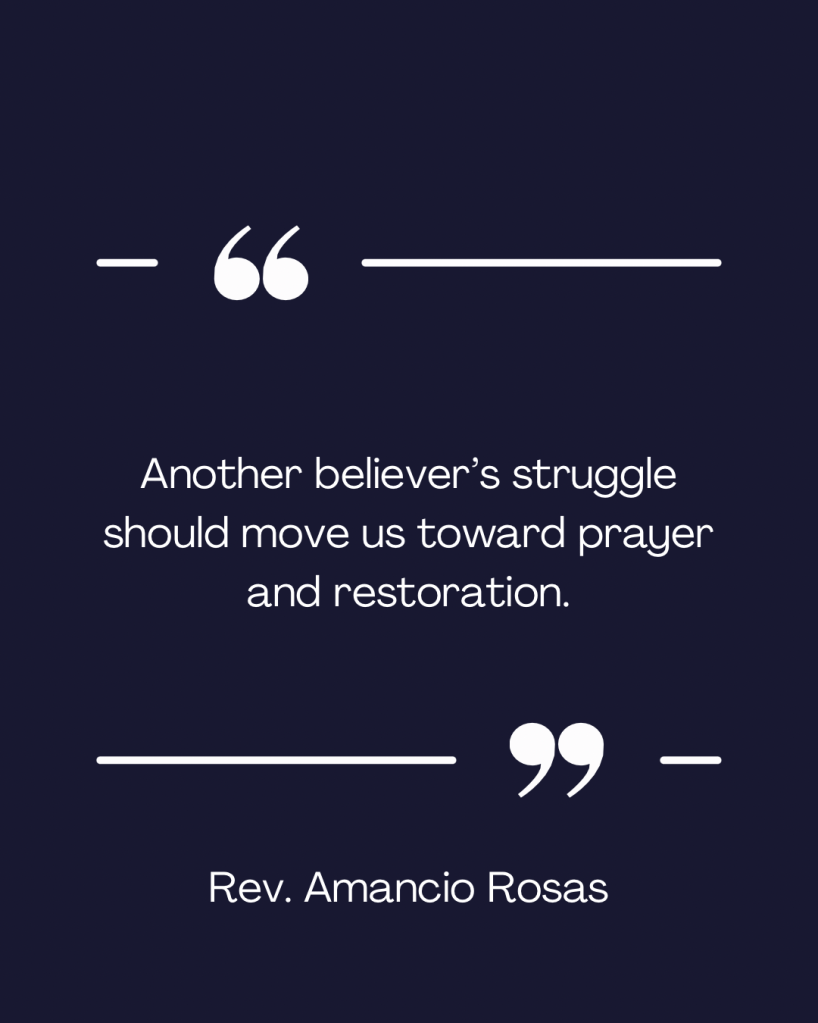
That shared concern challenges how we respond to struggling people. Do their difficulties move us toward prayer and restoration?

I work with fourth- and fifth-grade students. When they do not listen, frustration comes easily. But am I praying for them? Am I praying for my coworkers, for people who have hurt me, and for fellow believers who are struggling?

First Corinthians 12:26 teaches that members of Christ’s body share one another’s suffering and honor. Intercessory prayer is one way we express that belonging. We carry people’s needs before God because their lives matter to us.

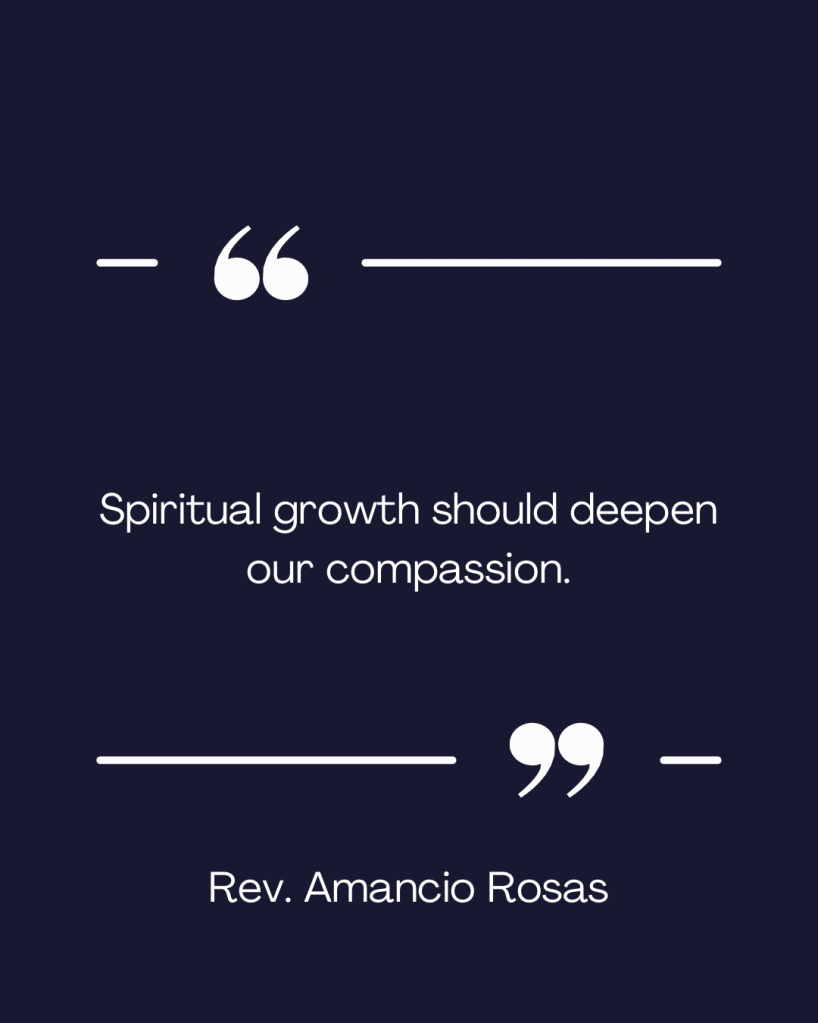
Spiritual growth should deepen our compassion. Prayer, Bible study, and ministry service do not give us grounds to treat others as spiritually inferior. Accountability matters, and its purpose should include helping people move toward repentance and restoration.

We are not walking this walk alone.

Christ’s Sacrifice Gives Us Confidence to Draw Near

Our confidence before God rests on Jesus Christ. He offered Himself for our sins once for all, and through Him we can draw near with sincere hearts and the assurance of faith (Hebrews 10:10–14, 19–22).

Prayer and Bible reading nourish our faith, but they cannot earn redemption or make us superior to others. We receive salvation through Christ and respond to His mercy with obedience.

Romans 12:1 describes that response as offering ourselves as living sacrifices. Christ’s sacrifice redeems us; we offer our lives to Him in gratitude.

As we pray, we can bring both our own need for renewal and the needs of those around us. Ask the Holy Spirit to reveal where surrender is needed and bring someone to mind who needs prayer.

Who needs encouragement? Who needs restoration? What practical act of care can follow your prayer?

Honest worship brings our whole lives before God. Intercession brings our community with us.
Categories
Educational Journey Uncategorized

When Worship Leaves the Sanctuary: Justice, Mercy, and Intercession

Worship is easy to associate with what happens inside the church. We sing, pray, hear Scripture, give, and gather with other believers. Yet biblical worship consistently challenges us to consider what happens after we leave the sanctuary.

Does our worship change how we treat people?

Does our relationship with God shape how we respond to injustice?

And when people are overwhelmed by sin and guilt, are we willing to stand in the gap and pray for them?

The books of Amos and Ezra approach these questions from different circumstances, but together they reveal something important: worship should move us toward both people and God. We act with compassion toward others while interceding before God on their behalf.

When Worship and Justice Become Separated

During the time of Amos, Israel continued practicing religious rituals while injustice and oppression remained present within society. Their problem was not simply that they had abandoned religious activity. In many ways, they were still religious.

The problem was the separation between their worship and their treatment of others.

R. Alan Fuhr describes how Israel practiced the ritual worship required by the Mosaic law while simultaneously participating in social oppression and societal neglect. Their outward worship continued, but something was deeply wrong with the life surrounding it.

Israel could not separate devotion to God from righteous treatment of others.

That same principle should challenge Christians today.

We often emphasize having a “personal relationship with God,” and that relationship is essential. We also recognize our relationship with the Body of Christ. But biblical worship pushes us beyond ourselves. If we worship a God who is righteous, compassionate, merciful, and just, those characteristics should increasingly shape how we interact with the people around us.

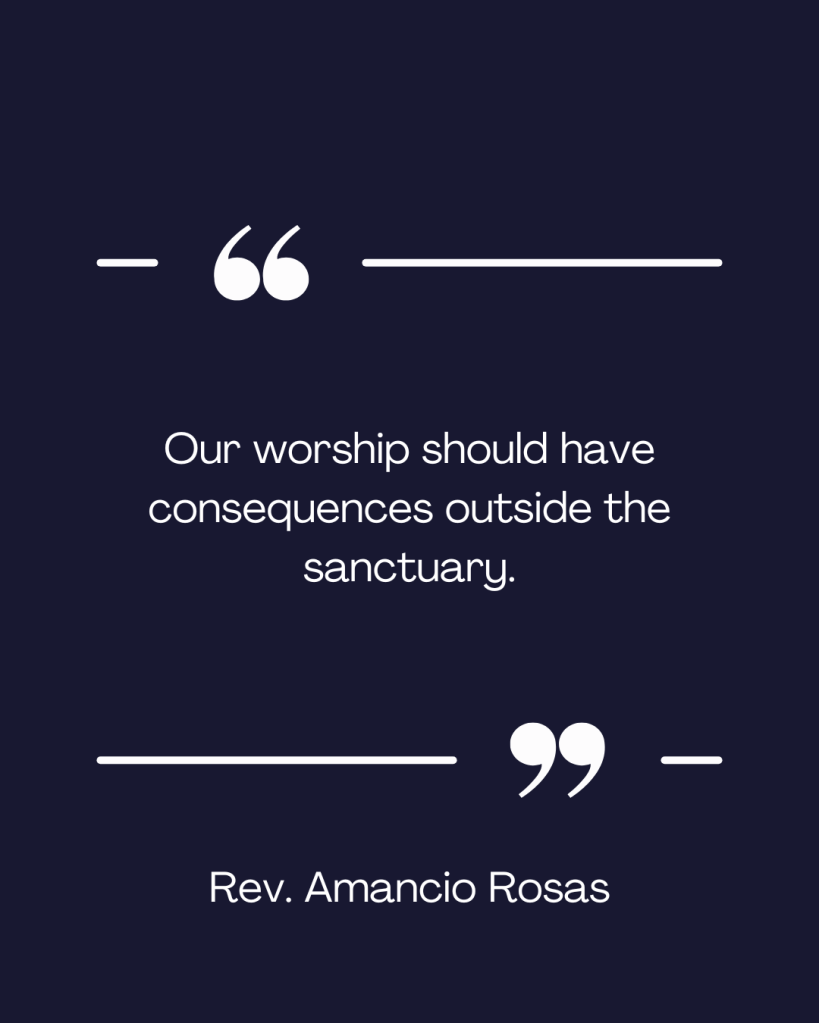
Our worship should have consequences outside the sanctuary.

More Than Choosing a Side

When injustice or oppression becomes visible, our first instinct can sometimes be to determine which “side” we are supposed to support.

But Christian faithfulness requires something deeper.

Our response cannot be reduced simply to voting, political affiliation, or participation in cultural arguments. Before asking which group we belong to, we should be asking what faithfulness to Christ requires of us.

Who is hurting?

Who is being overlooked?

Where is truth being ignored?

How can we love our neighbor while remaining faithful to God?

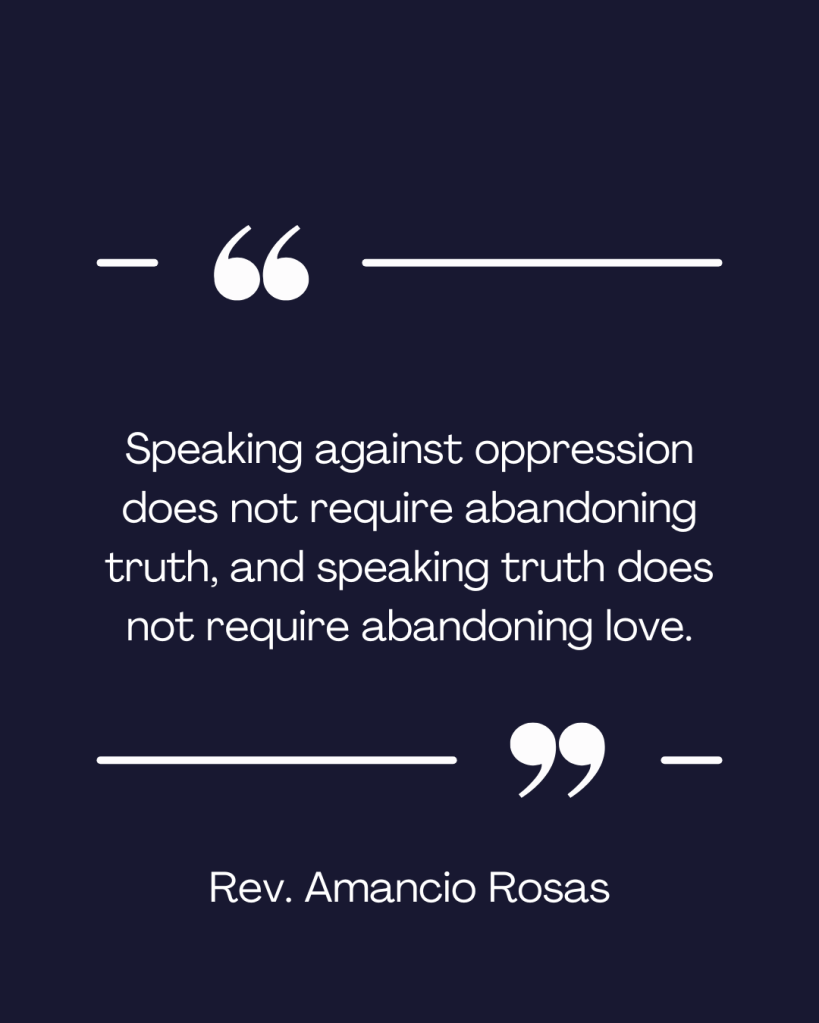
Speaking against oppression does not require abandoning truth, and speaking truth does not require abandoning love. Biblical worship should form believers who are capable of doing both.

If our lips declare the goodness of God on Sunday, our actions throughout the week should reflect the character of the God we worship.

When Guilt Builds Walls

Ezra introduces another dimension of worship: intercession.

After Israel survived exile, the people continued struggling with compromise and sin. Ezra felt the spiritual weight of what was happening among God’s people and responded through prayer.

Donna Petter makes an important observation about Ezra’s prayer: it calls upon God’s mercy to act.

There is an important tension here.

The people still needed to respond through repentance. Ezra’s prayer did not eliminate human responsibility. Yet Israel could not manufacture divine forgiveness for itself either. They needed the mercy and grace of God.

This has significant implications for pastoral ministry.

I have seen people become stuck in their faith because of their past. Even after change begins and forgiveness has been offered, guilt can remain.

The question becomes:

“Does God really love me even though I have sinned?”

When that question goes unanswered, guilt can slowly build walls.

When an Encounter Turns Into Guilt

I have seen a version of this in youth ministry.

A young person may come to church and genuinely encounter God. Then they disappear for several weeks. Eventually, the longer they stay away, the harder returning becomes.

What began as an encounter with God can become overshadowed by guilt.

They may think they have disappointed God. They may feel embarrassed about returning. They may convince themselves that they need to “get right” before coming back.

Those are moments when pastoral ministry requires more than asking, “Where have you been?”

Sometimes we need to stand in the gap.

Ezra reminds me of the importance of praying on behalf of the people God has entrusted to us. I have had opportunities to pray over young people and ask God to extend His mercy, restore their hearts, and help them experience the freedom they have in Christ.

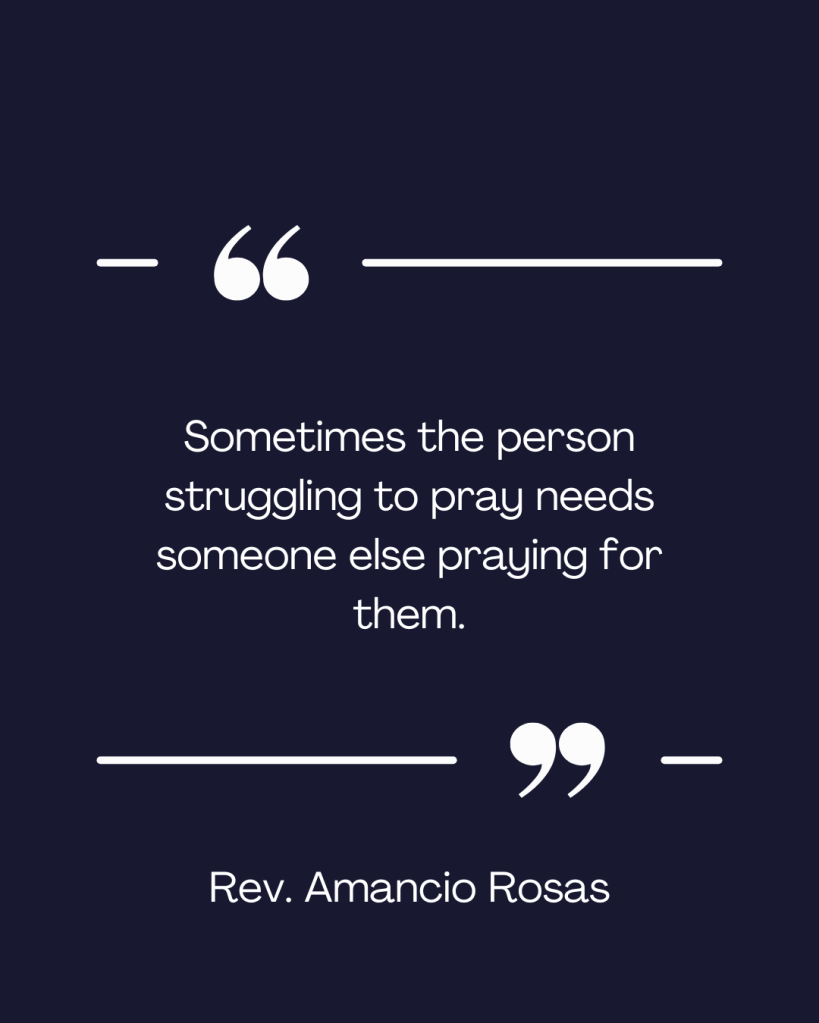
Sometimes the person struggling to pray needs someone else praying for them.

That is part of the beauty of intercession.

Worship Moves in Two Directions

Amos and Ezra ultimately challenge me in complementary ways.

Amos pushes worship outward.

If I worship God, I should care about my neighbor. I should notice suffering, confront injustice with truth and love, and refuse to allow my Christianity to become merely ritualistic.

Ezra pushes worship upward.

When I see brokenness, sin, guilt, and spiritual struggle around me, I should bring those people before God. I cannot transform another person’s heart, but I can intercede for them and trust the mercy of God.

Together, these perspectives create a powerful picture of worship:

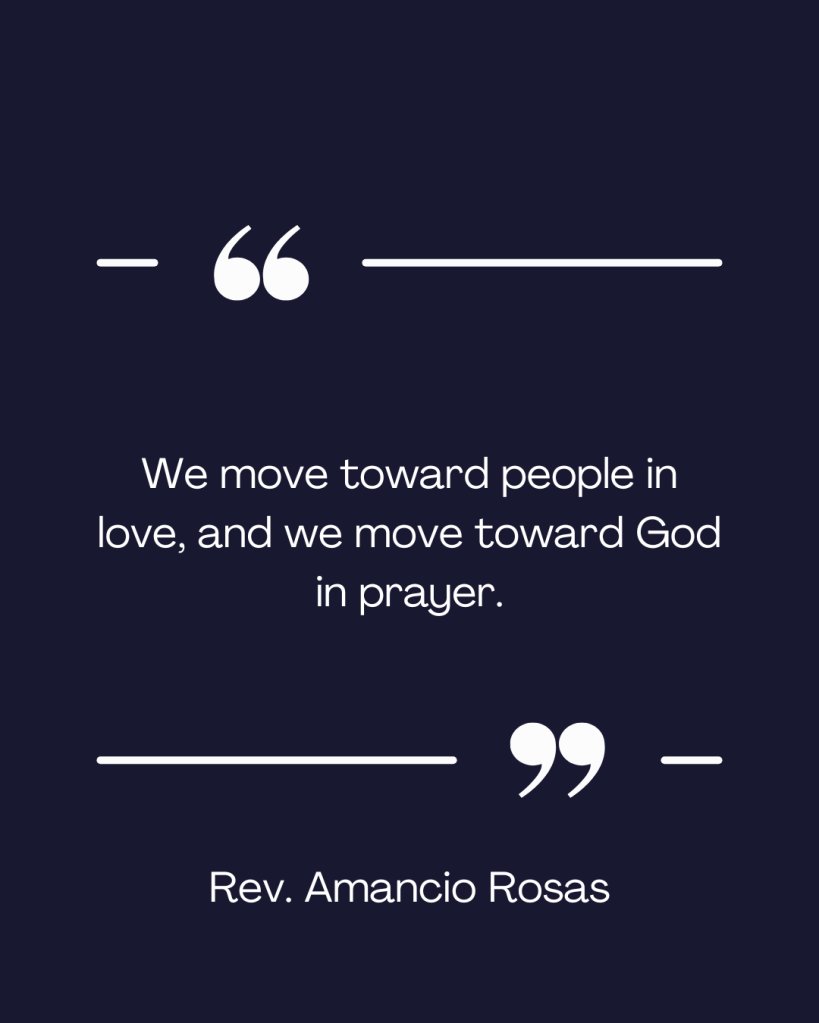
We move toward people in love, and we move toward God in prayer.

That challenges me personally because life does not become less busy as ministry responsibilities increase. If anything, busyness makes intentional intercession more difficult.

But perhaps that is exactly why it must become a discipline.

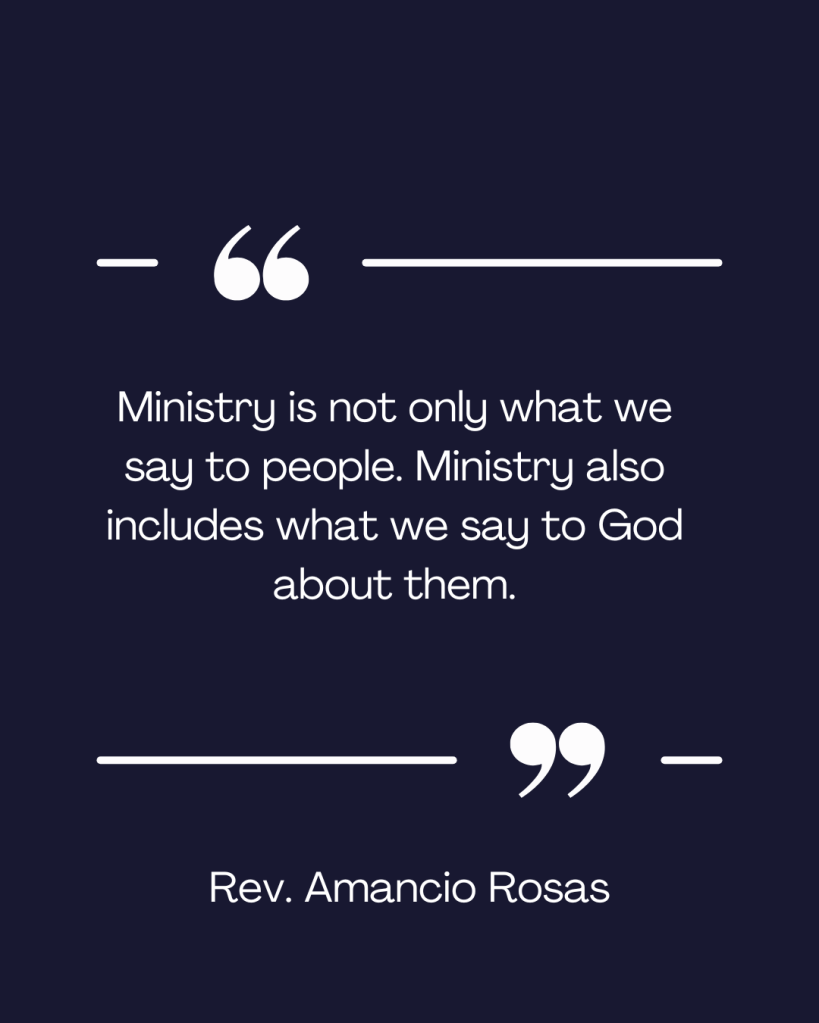
The more people God places around me, the greater my responsibility to remember that ministry is not only what I say to people. Ministry also includes what I say to God about them.

From Ritual to a Life of Worship

The challenge of Amos remains relevant: worship cannot become something we perform while ignoring the world around us.

The example of Ezra adds another dimension: when we encounter the brokenness of that world, our response should include intercession.

Biblical worship therefore refuses to remain confined to a service.

It enters our relationships.

It shapes our response to injustice.

It brings other people’s burdens into our prayers.

It calls us toward repentance.

And it continually brings us back to the mercy of God.

Perhaps one of the questions every worshiper should regularly ask is not simply, “Did I worship God today?”

Instead, we might ask:

“What is my worship producing in the way I love people, respond to brokenness, and pray for those God has placed around me?”

When worship begins transforming those areas of our lives, it moves beyond ritual and becomes a way of life.

Categories
Educational Journey Uncategorized

When Worship Confronts the Heart: Sin, Idolatry, and Surrender

Worship has a way of revealing what is happening within the human heart.

When we think about sin, words such as shame, guilt, condemnation, and separation often come to mind. Scripture certainly takes sin seriously. Yet for the believer, awareness of sin should not simply drive us into shame. Instead, through Christ, conviction can become an invitation to repentance, restoration, and deeper worship.

This raises an important question for the church: Can we truly understand worship without confronting the reality of sin?

Worship Requires an Awareness of God’s Holiness

One of the most powerful biblical pictures of worship appears in Isaiah 6. Isaiah encounters the holiness and majesty of God and immediately becomes aware of his own condition:

“Woe is me! for I am undone; because I am a man of unclean lips.” — Isaiah 6:5

Isaiah’s response demonstrates something important about worship. The closer he becomes to the revelation of God’s holiness, the more aware he becomes of his own need for cleansing.

John Oswalt emphasizes this relationship between sin and worship by arguing that genuine worship requires an awareness of our uncleanness before a holy God. Worship is not merely celebration. It is also confrontation.

We encounter God as He is, and that encounter reveals areas of our lives that need to be surrendered to Him.

Yet Isaiah’s story does not end with his uncleanness.

God provides cleansing.

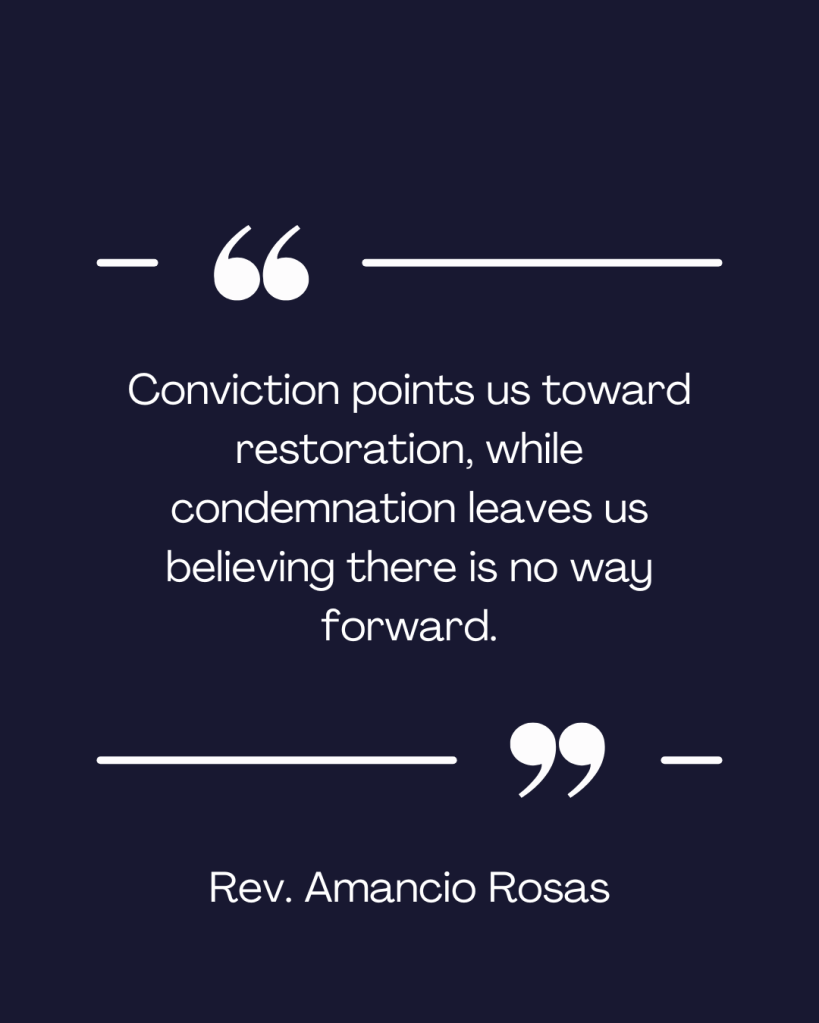
That distinction matters tremendously for the church. Conviction points us toward restoration, while condemnation leaves us believing there is no way forward.

Healthy Christian worship should therefore create room for both realities: the seriousness of sin and the transforming grace of God.

What Would a Culture of Surrender Look Like?

This challenges us to consider how our churches address sin within worship.

Do our worship gatherings provide opportunities for people to examine their hearts before God? Do we teach believers how to distinguish conviction from condemnation? Do we allow moments of reverence, repentance, prayer, and surrender alongside moments of celebration?

Sometimes surrender can even become physically expressed.

A believer may kneel.

Someone may bow at an altar.

Another person may quietly pray while members of the congregation surround them in prayer.

These actions are not what make repentance genuine. Nevertheless, physical expressions can communicate an inward reality: “Lord, I surrender myself to You.”

There is something beautiful about this within the gathered church. Repentance does not necessarily happen in isolation. A believer can encounter God personally while simultaneously being surrounded by a community that prays, encourages, and walks alongside them.

Worship therefore becomes both personal and communal.

Idolatry Is Still a Worship Problem

Sin is not the only issue that confronts our worship. Scripture repeatedly warns God’s people about idolatry.

When reading the accounts surrounding Jeremiah and Ezekiel, we encounter a people whose worship had become corrupted by competing allegiances. Idolatry was not merely an unfortunate spiritual habit. It represented misplaced worship.

Although our modern idols may look different, the underlying problem remains.

Timothy Keller famously described counterfeit gods as things that become so central to our identity and security that losing them can make life feel almost unbearable.

That definition should cause us to examine ourselves.

Our idols may not be statues.

They may be careers.

Relationships.

Money.

Recognition.

Education.

Influence.

Political causes.

Even our talents and opportunities can become dangerous when they begin providing the identity, security, or significance that ultimately belongs to God.

The question is therefore not merely, “What am I pursuing?”

A deeper question is:

“Why am I pursuing it?”

When Good Things Become Ultimate Things

This became particularly challenging for me because Ecclesiastes has also shaped my thinking about ambition and purpose.

Ecclesiastes repeatedly confronts humanity’s attempt to find ultimate meaning through earthly pursuits. Wealth, accomplishment, pleasure, wisdom, and labor cannot carry the weight of ultimate significance apart from God. They become a chasing after the wind.

That does not mean ambition, education, ministry, relationships, careers, or personal development are inherently wrong.

The issue is what place they occupy within our hearts.

I have increasingly found myself asking:

Do I trust my own gifting and abilities, or do I trust the God who gave them to me?

There is an important difference.

God can provide opportunities, abilities, relationships, and influence that genuinely glorify Him. Yet even gifts from God can become idols when the gift becomes more important than the Giver.

Christian surrender therefore involves more than abandoning obviously sinful behavior. Sometimes surrender means placing our greatest dreams before God and saying:

“Lord, even this belongs to You.”

Worship Reorders the Heart

Perhaps this is one of the greatest purposes of worship.

Worship reminds us who God is.

And when we understand who God is, we begin to understand everything else differently.

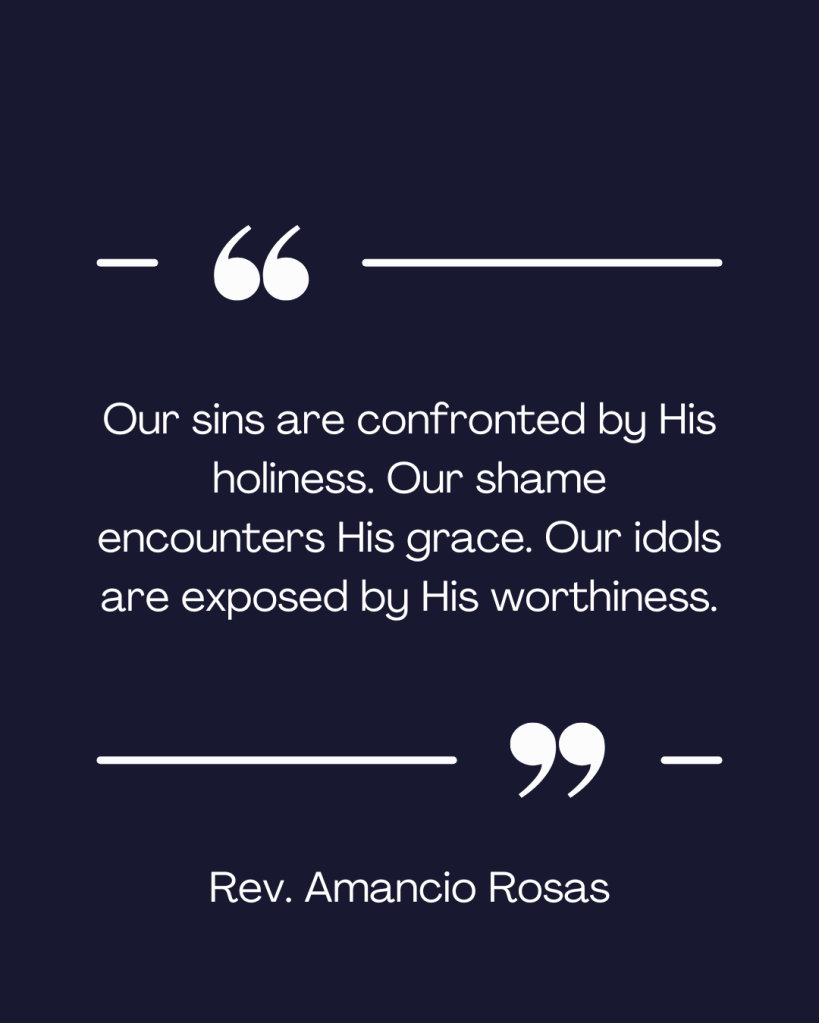
Our sins are confronted by His holiness.

Our shame encounters His grace.

Our idols are exposed by His worthiness.

Our ambitions become surrendered to His purposes.

Our gifts become instruments for His glory rather than monuments to ourselves.

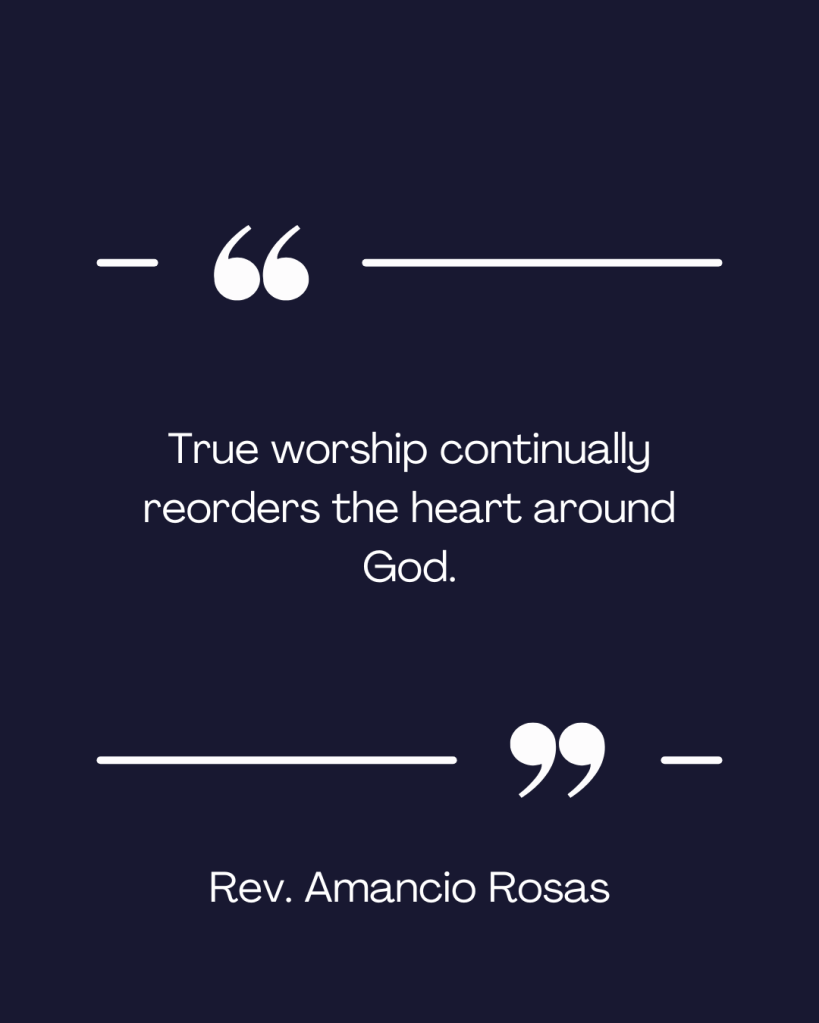
True worship does not simply produce an emotional experience on Sunday morning. True worship continually reorders the heart around God.

That leaves me with several questions worth continuing to explore:

How can churches teach and model repentance without creating cultures of condemnation?

How can our worship gatherings cultivate reverence and surrender alongside joy and celebration?

How can Christians recognize when something good has quietly become an idol?

And perhaps the most personal question:

If God removed the things I depend upon for identity, significance, and security, would God Himself still be enough?

Categories
Educational Journey

When Repentance Becomes Convenient: Rediscovering Confession as Worship

There is a significant difference between wanting God and wanting God to fix our circumstances.

While reading Biblical Worship: Theology for God’s Glory, I was challenged by the discussion of Israel’s pattern of crying out to God during times of distress. Israel repeatedly experienced the consequences of pursuing other gods, only to turn toward the Lord when those pursuits failed.

This raises an uncomfortable question for believers today:

Do we seek God because we desire Him, or because we desire what He can do for us?

A Conversion of Convenience

Benjamin K. Forrest describes one of Israel’s responses as a “conversion of convenience.” Israel acknowledged its sin and removed its idols, but the larger biblical pattern demonstrates how easily people can turn toward God because circumstances have become unbearable rather than because their hearts genuinely desire Him.

We can encounter the same temptation today.

Sometimes God becomes our last resort rather than our first pursuit.

Prayer becomes urgent when the diagnosis comes. We seek God when the relationship begins falling apart. We suddenly become interested in His direction when our own plans stop working. We ask for deliverance when consequences finally reach us.

There is nothing wrong with crying out to God during suffering. Scripture repeatedly invites us to do exactly that. The deeper question concerns the posture of our hearts.

Are we seeking deliverance from our circumstances, or are we surrendering ourselves to God?

Authentic repentance is more than wanting circumstances to change. It involves allowing God to change us.

Prayer Is an Act of Worship

This challenged me to reconsider prayer as more than simply presenting requests before God.

Prayer is worship.

If worship involves recognizing who God is and responding appropriately to Him, then our prayer lives reveal something about our understanding of God.

When God becomes someone we primarily approach during emergencies, our relationship with Him can slowly become transactional:

God, I have a problem. Please solve it.

But a life of worship develops another posture:

God, whether I am experiencing peace or difficulty, I belong to You. Lead me.

Developing a consistent life of prayer prepares us for the storms that eventually come. Instead of discovering God only when everything collapses, we learn to walk with Him before, during, and after the storm.

Crisis does not create our relationship with God; it reveals the relationship we have been cultivating.

Rediscovering Confession

Another aspect of worship that deserves greater attention is confession.

I was raised Catholic, so confession was familiar to me from an early age. My understanding of confession has changed significantly since then, but studying worship has caused me to reconsider something important: perhaps Christians from nonliturgical traditions can learn from traditions that intentionally create space for confession.

In many evangelical and Pentecostal settings, we commonly emphasize confessing our sins directly to God—and rightly so.

But Scripture also gives confession a communal dimension.

James 5:16 instructs believers to “confess your sins to one another and pray for one another, that you may be healed.”

That challenges an exclusively individualistic understanding of repentance.

There are sins that need to be brought before God privately. Yet there are also moments when healing requires trusted Christian community, pastoral care, accountability, prayer, and confession to another believer.

Sin thrives in secrecy.

Healthy Christian community brings what has been hidden into the light.

What Could Confession Look Like in the Church?

This does not necessarily mean standing before an entire congregation and publicly describing every sin we have committed.

Healthy confession requires wisdom, appropriate relationships, pastoral safeguards, and discernment.

But what would happen if our churches became places where Christians were less afraid to admit that they were struggling?

What if small groups became places where people could say, “I need prayer because I am struggling with this,” without immediately fearing rejection?

What if mature believers intentionally mentored younger believers through repentance and restoration?

What if pastors and ministry leaders modeled a Christianity in which spiritual maturity did not mean pretending to have no struggles?

Perhaps confession should become more visible within our understanding of discipleship.

The church should not become a place where sin is celebrated or minimized. Neither should it become a place where people become so afraid of judgment that they learn to hide their sin successfully.

The goal is restoration.

From Convenient Christianity to Genuine Discipleship

This brings me back to Israel.

A “conversion of convenience” seeks God when God becomes useful.

Discipleship seeks God because He is Lord.

That distinction forces me to examine my own spiritual life. I do not want prayer to become something I suddenly rediscover when circumstances become difficult. I want prayer, repentance, and confession to become ordinary rhythms of worship.

And perhaps our churches need the same examination.

Are we creating disciples who know how to ask God for help, or disciples who know how to surrender their lives to Him?

Are we creating communities where Christians hide their struggles, or communities where repentance leads toward healing and restoration?

Most importantly:

Do we want God’s intervention, or do we want God Himself?

True worship cannot merely be a conversion of convenience.

It is a life continually surrendered to the One who is worthy of our worship—in seasons of blessing, seasons of suffering, and everything in between.


Scripture for Reflection

James 5:16 — “Therefore, confess your sins to one another and pray for one another, that you may be healed.”

Further Reading

Forrest, Benjamin K., Walter C. Kaiser Jr., Vernon M. Whaley, David M. Wheeler, John W. Cartwright, and C. Randall Bradley. Biblical Worship: Theology for God’s Glory. Grand Rapids, MI: Kregel Academic, 2021.