Reflections on Eugene Peterson’s Follow the Leader series
What does it mean to be a successful Christian leader? Is success measured by the number of people attending our churches, the ministries we establish, the positions we hold, or the influence we develop? Or is there a deeper measurement that challenges our understanding of leadership altogether?
As I listened to Eugene Peterson’s Follow the Leader series, I found myself wrestling with these questions. Peterson examines the leadership of Jesus in its historical context, contrasting his approach with influential figures such as Herod, Caiaphas, and Josephus. Through these comparisons, he challenges the assumptions we often bring into Christian leadership, particularly our understanding of power, success, relationships, and personal ambition.
One of the greatest insights I gained from this series is that Jesus did not simply provide a model for becoming an effective leader. He invited us to become faithful followers.
This distinction challenges not only how I approach ministry but also how I understand my calling, my ambitions, and the importance of remaining faithful wherever God has placed me.
The challenge of following before leading
Early in the third part of his series, Peterson emphasizes a distinction that caught my attention: Jesus said, “Follow me,” not “lead like me.”
Peterson explains that following is often more difficult than leading because it requires greater attention and moral energy. This challenges the tendency to focus on developing leadership abilities without giving equal attention to our relationship with Jesus.
Leadership requires skills, knowledge, experience, and preparation. However, Christian leadership must begin with something deeper: a life of prayer, obedience, and dependence upon Christ.
Before I can lead others faithfully, I must examine whether I am faithfully following Jesus myself.
This insight brought me back to my experience as a new believer in high school. At the time, I had a strong desire to become a leader on my campus and establish a Christian club. My passion for ministry was present, but my preparation was still developing.
I wanted to lead, yet I lacked the biblical knowledge and training necessary for the responsibility I desired. I also had not fully recognized the importance of receiving guidance from the leaders God had placed in my life.
Nevertheless, that Christian club had value. We served our campus, built community, and sought to demonstrate what it meant to follow Jesus.
Looking back, I recognize that even though my preaching and teaching abilities were limited, following Jesus involved more than standing in front of people and delivering a message. It involved obedience, service, relationships, and learning to live according to his example.
That experience helped me recognize that our desire to lead must never become more important than our commitment to follow.
Prayer before personal ambition
One of the ways Peterson’s teaching challenges my current approach to leadership is by encouraging me to reflect on prayer more often than goal setting.
I enjoy establishing goals, developing plans, and pursuing opportunities. These activities have value, particularly when we are responsible for leading others. However, they also present an important spiritual question.
Am I submitting my plans to Jesus, or am I simply asking him to bless the direction I have already chosen?
Peterson emphasizes that prayer is essential to following Jesus. In the third part of his series, he discusses how prayer forms us into followers from the inside out.
This means that following Jesus is not merely about outward activities. We can participate in ministry, develop leadership abilities, and accomplish organizational goals while neglecting the spiritual formation necessary to sustain faithful discipleship.
Prayer invites us to examine our motives and surrender our direction to Christ.
As I continue developing as a minister, I want to become increasingly intentional about seeking God’s direction rather than relying exclusively on my abilities, expectations, or understanding of what should happen next.
The challenge is not to stop planning. It is to allow my plans to be influenced by Jesus.
When success becomes a distraction
Another aspect of Peterson’s teaching that challenged me was his discussion of success and failure.
Throughout his series, Peterson contrasts Jesus with influential leaders of the first century. Herod demonstrated considerable political and organizational influence, while Caiaphas exercised authority within the religious establishment.
Yet Jesus did not organize his ministry around the conventional measurements of success represented by these leaders.
In the second part of the series, Peterson explains that Jesus’ life can appear unsuccessful when evaluated according to society’s expectations. He also observes that faithful individuals can become invisible because their lives do not conform to what society values.
This challenges how we understand success within contemporary Christianity.
Our Christian communities exist in a culture shaped by music, entertainment, celebrity, social media, and numerical exposure. As individuals gain influence, they may experience increasing pressure to maintain their recognition and status.
The danger arises when preserving influence becomes more important than faithfully following Jesus.
This is especially challenging for me because I desire to serve in a pastoral ministry position in the future.
As an ordained minister currently serving without a pastoral staff position, I have wrestled with the relationship between my calling, my credentials, and the opportunities I hope to pursue.
At times, it can be tempting to view a position as validation of my ministerial identity. Yet Peterson’s teaching challenges me to examine whether I am pursuing opportunities primarily to serve others or to become somebody in the eyes of others.
A pastoral position can provide meaningful opportunities to lead, teach, disciple, and develop ministries. However, it should not determine the value of my present service or become the ultimate measurement of my faithfulness.
I am learning that being faithful where God has placed me matters just as much as preparing for wherever he may lead me next.
This gives me a desire to continue praying and trusting his direction, even when the outcome of my ministry pursuits remains unknown.
The difference between ambition and energy
One of the most helpful distinctions Peterson makes is between ambition and energy.
In the first part of his series, he discusses how ambition can become connected to personal importance, recognition, and achieving our own goals. He contrasts this with the energy, obedience, and discipline necessary for faithful service.
This distinction is particularly meaningful when pursuing leadership opportunities.
It is possible to work diligently, develop skills, establish goals, and pursue opportunities without allowing personal ambition to become the driving force behind our decisions.
The question is what motivates our pursuit.
Do I want to lead because I desire recognition, or because I see an opportunity to serve? Am I pursuing a particular position because it will make me feel successful, or because I believe I can faithfully contribute to the ministry God has entrusted to me?
These are questions I want to continue asking throughout my ministerial journey.
My desire is not to lose the energy and passion I have for ministry. Rather, I want those qualities to be shaped by prayer, obedience, and a willingness to follow Jesus wherever he leads.
A PERSONAL REFLECTION
The goal is not to abandon our passion for leadership, but to surrender the ambition that places ourselves at the center of it.
Building a church culture centered on followership
Peterson’s philosophy also raises an important question about the culture we establish within our churches.
What would happen if Christ-centered leaders prioritized faithful followership over recognition, status, and conventional measurements of success?
I believe this approach could transform how we understand discipleship, prayer, and servant-hearted leadership.
1. Discipleship would become more relational
Peterson explains that Jesus used stories to invite people into relationships and personal encounters.
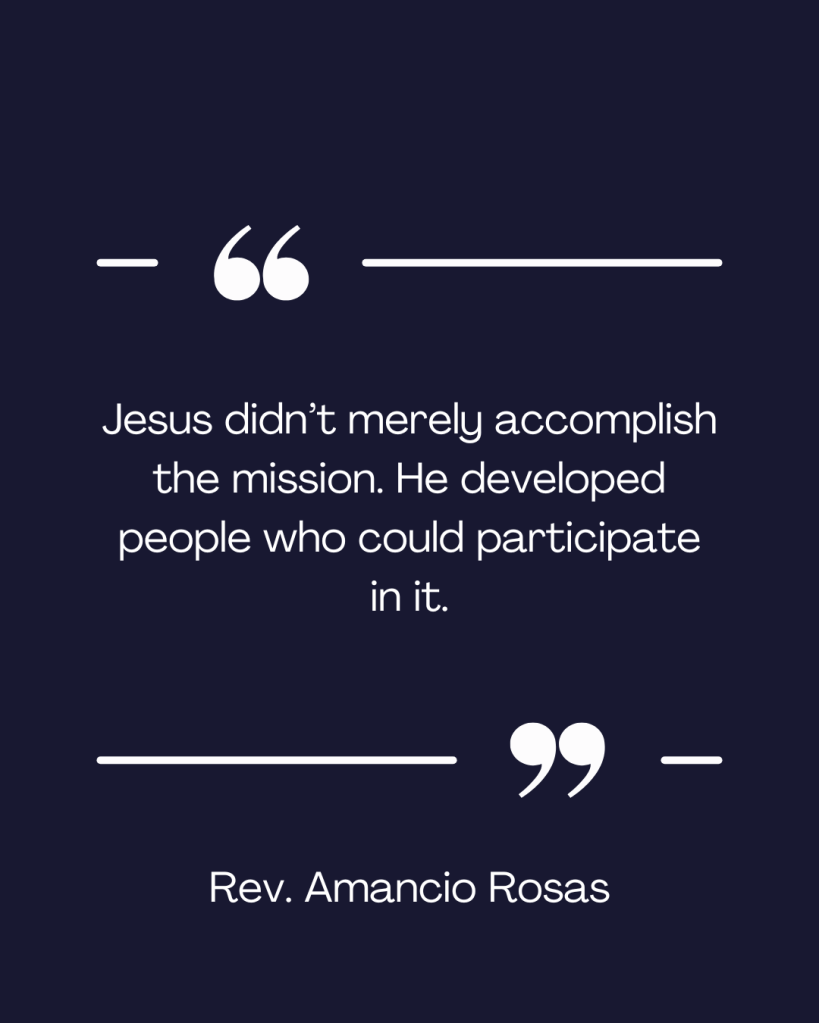
Rather than organizing his ministry around buildings, crowds, or prominent individuals, Jesus invested in people and invited them to participate in the life of God’s kingdom.
This challenges churches to examine how they measure their effectiveness.
Attendance, volunteer participation, and numerical growth can provide valuable information. However, these measurements do not tell the complete story of what God is doing in people’s lives.
A church may have impressive attendance while struggling to develop meaningful relationships and mature disciples. Conversely, a smaller congregation may be making a significant spiritual impact through personal mentorship, service, and discipleship.
If we implement Peterson’s philosophy, I believe our churches can develop a deeper commitment to knowing people rather than merely counting them.
The goal is not simply to attract individuals into a building. It is to help people encounter Jesus and become faithful followers of him.
2. Prayer would shape our leadership culture
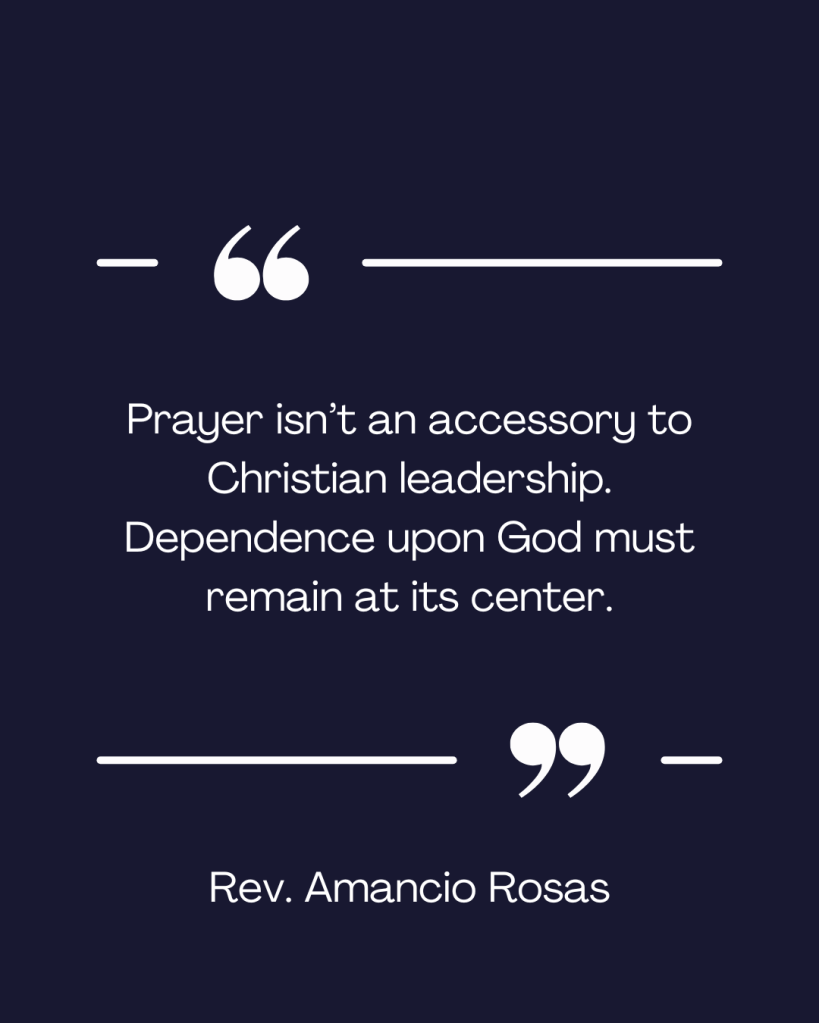
A second outcome would be a greater dependence on prayer.
Following Jesus requires more than developing strategies and implementing programs. It requires leaders who continually seek his direction.
This dependence should not remain confined to the church building or formal ministry activities. It should influence how we live, work, serve our communities, and interact with others wherever God has placed us.
A prayerful leadership culture would encourage us to examine our decisions, surrender our expectations, and remain attentive to God’s direction amid uncertain circumstances.
We can still establish goals and develop organizational plans. However, we must recognize that our plans are ultimately subject to God’s purposes.
Prayer reminds us that we are followers before we are leaders.
3. Servant-hearted leadership would replace the pursuit of status
A third outcome would be a leadership culture that emphasizes service rather than personal recognition.
When leaders understand the difference between ambition and energy, ministry opportunities become responsibilities to steward rather than positions through which to establish personal importance.
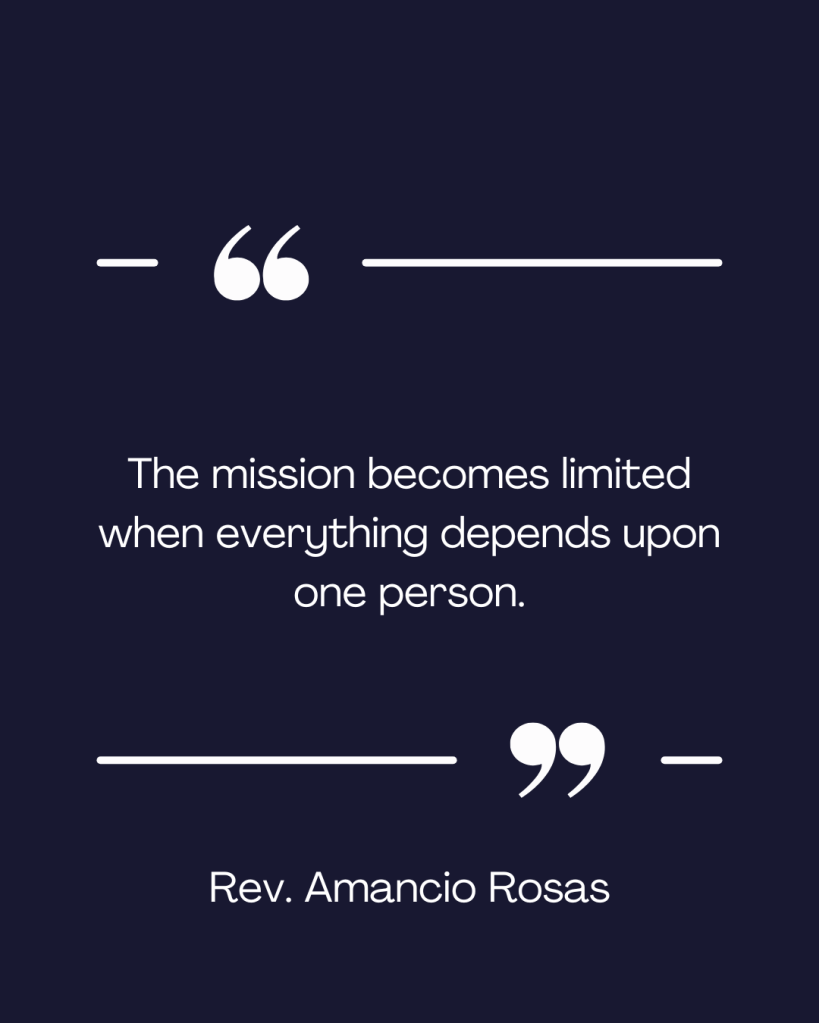
This could influence how churches develop leaders, empower volunteers, and distribute ministry responsibilities.
Instead of concentrating attention on prominent individuals, churches could cultivate environments where people are equipped to serve according to their gifts, abilities, and spiritual maturity.
Leadership development would involve more than teaching organizational skills. It would include helping people develop their character, examine their motives, and grow in their relationship with Jesus.
Ultimately, this approach would encourage the Body of Christ to pursue opportunities with a servant’s heart.
Following the Master wherever he leads
Peterson’s Follow the Leader series has challenged me to reconsider what it means to pursue leadership faithfully.
I still desire to grow as a minister, develop my abilities, pursue future opportunities, and serve in pastoral ministry. However, I increasingly recognize that none of these aspirations should become more important than following Jesus.
My calling is not validated by a position, and my faithfulness cannot be measured exclusively by visible accomplishments.
I want to remain faithful where God has placed me while continuing to prepare for wherever he may guide me.
This requires prayer, obedience, humility, and a willingness to examine my motives continually.
As Christian leaders, we must remember that our responsibility is not simply to become more influential. It is to allow Jesus to shape how we exercise whatever influence he has entrusted to us.
Before we ask how we can become better leaders, perhaps we should begin with a more important question:
How are we becoming better followers of Jesus?
This reflection is based on Eugene Peterson’s three-part Follow the Leader series, particularly his discussions of followership, relational leadership, prayer, success, and the distinction between ambition and energy.