Categories
Uncategorized

When Pressure Shakes Our Faith

A reflection on Luke 22:31–32

There are moments when life looks very different from what we prayed for or imagined. We make plans, work toward a goal, and try to follow God faithfully. Then circumstances change, and questions begin to surface.

Did I misunderstand God? Am I going anywhere? Can I still trust Him when I cannot understand what He is doing?

As I preached “The Enemy Tactic #6: Sifting,” I recognized how personally I knew those questions. This message grew out of my own struggle to trust God through disappointment. Reflecting afterward has also helped me express more carefully what I wanted students to understand.

Pressure can expose our vulnerability

In Luke 22:31–32, Jesus warns Peter that Satan has asked to sift the disciples like wheat. Grain shaken in a sieve becomes a picture of severe testing.

Peter responds confidently. He believes he is ready to follow Jesus into prison and even death. Yet within hours, he denies knowing Him.

Peter’s experience challenges me because sincere intentions do not make us immune to weakness. We can love Jesus and still underestimate how fear, disappointment, or the desire for acceptance can influence our choices.

The enemy seeks to undermine our trust and obedience. He can exploit painful circumstances, but that does not mean every hardship comes directly from Satan. Illness, grief, academic difficulties, and conflict can have many causes. Neither suffering nor asking difficult questions automatically indicates spiritual failure.

The question I wanted students to consider was: What am I tempted to believe or do when pressure comes?

We cannot always control our circumstances. We can bring our responses before God and ask for help discerning our next step.

When my plans stopped making sense

I remember a season after leaving a ministry position that required a demanding commute. I had wanted to serve and build toward a future in ministry. Instead, I found myself working intensely, taking on another job, and struggling to understand how my circumstances connected to my calling.

One day in a parking lot, I brought my frustration to God.

Had He really called me? Why did I feel directionless? How could I pursue ministry when work seemed to consume so much of my life?

I experienced that season as failure. Looking back, I recognize that a ministry assignment ending is not necessarily a failure to obey God. Likewise, an academic setback, an unmet expectation, and Peter’s denial are different experiences with different responsibilities attached to them. Their connection in my message was the pressure they can create and the questions that pressure can raise.

Through prayer, I began surrendering my timetable and expectations. My prayer became a request for God to help me trust Him while I could not see the outcome.

I experienced peace as I entrusted those burdens to Him. Some questions remained unanswered, but I no longer needed to resolve every question before taking another faithful step.

Failure is serious, and restoration is possible

During the sermon, I said that failure is “okay” in Jesus’ eyes. What I intended to convey deserves a more careful explanation.

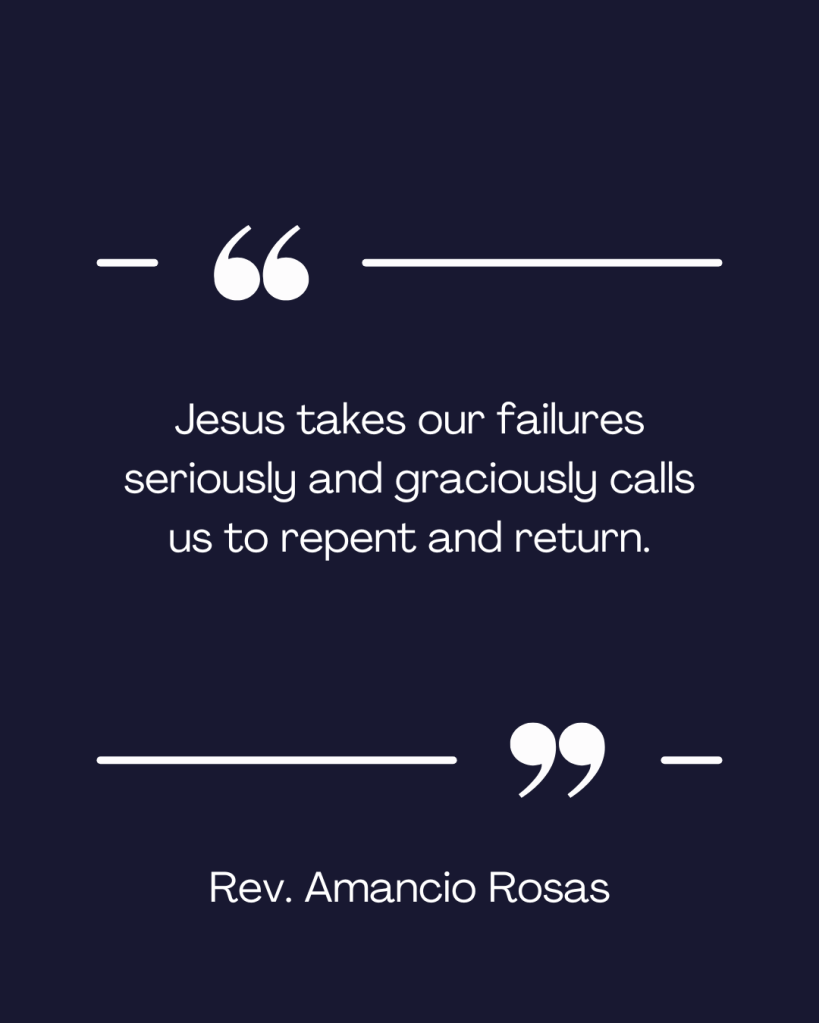
Jesus takes sin seriously, and He graciously calls those who fail to repent and return to Him.

Peter’s denial was wrong. His grief mattered, and his return mattered. Jesus’ anticipation of that return gives hope without excusing what Peter did.

That was the encouragement I wanted students to receive: having failed does not mean they should hide from Christ or assume that seeking forgiveness is pointless. They can confess their sin, receive His mercy, and respond to His restoring work.

Grace also allows us to accept responsibility. When our decisions contribute to a setback, we can acknowledge that honestly and make needed changes.

Jesus continues to intercede

Before Peter denies Him, Jesus tells him that He has prayed for him. Peter does not yet understand his vulnerability, but Jesus already sees it.

Hebrews 7:25 connects this assurance with Christ’s continuing ministry: He lives to intercede for those who come to God through Him.

In preaching, I described Jesus as praying the “exact same words” for us. My intention was to emphasize the personal care and assurance we find in His intercession. Scripture does not disclose the precise wording of His prayers for each believer.

What we can confidently affirm is that the risen Jesus continues to intercede for His people. His concern for us is real, and we can approach God through Him.

Our hope rests in the Savior who died for our sins, rose again, and lives to intercede for us.

Hope can endure alongside unanswered questions

I also spoke strongly about hope overcoming fear and doubt. I wanted to encourage students to trust God’s promises more deeply than their changing emotions.

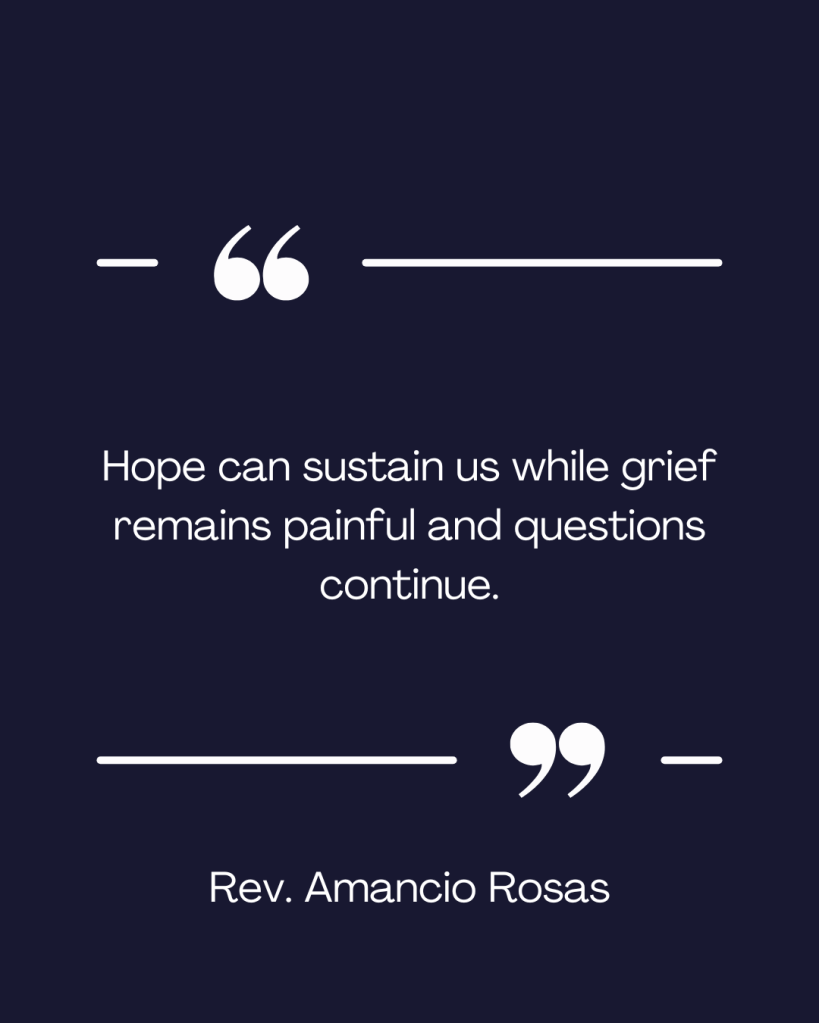
That does not mean sincere believers never feel afraid or uncertain. Hope can sustain us while grief remains painful, rejection still hurts, and questions continue.

Coming to the Father does not guarantee that every painful feeling immediately disappears. His love gives us a place to bring those experiences. Through Scripture, the Holy Spirit, and Christian community, we can receive strength to continue.

Romans 5:3–5 describes perseverance, character, and hope developing through suffering, grounded in God’s love poured into our hearts through the Spirit. This is a process of dependence and growth.

Bringing our burdens to God

Psalm 55:22 invites us to entrust our burdens to the Lord who sustains us. Second Corinthians 12:9 reminds us that Christ’s grace is sufficient and His power works in weakness.

Those passages invite honesty. Sometimes prayer begins with admitting that we are disappointed, exhausted, frightened, or unsure of what comes next.

God can change our circumstances. He also sustains us when relief takes time. My testimony reflects a season when His help included learning to trust Him while circumstances remained unresolved.

As I reflect on this message, I return to three questions:

  • What pressures am I facing?
  • What are they tempting me to believe or do?
  • Am I willing to bring these burdens to God?

My desire was to help students recognize spiritual opposition and respond with dependence on Christ. Standing firm includes watchfulness, honest prayer, repentance when needed, and a willingness to receive help.

When pressure exposes our weakness, we can draw near to Jesus and depend on His grace for the next faithful step.
Categories
Educational Journey Uncategorized

When Worship Leaves the Sanctuary: Justice, Mercy, and Intercession

Worship is easy to associate with what happens inside the church. We sing, pray, hear Scripture, give, and gather with other believers. Yet biblical worship consistently challenges us to consider what happens after we leave the sanctuary.

Does our worship change how we treat people?

Does our relationship with God shape how we respond to injustice?

And when people are overwhelmed by sin and guilt, are we willing to stand in the gap and pray for them?

The books of Amos and Ezra approach these questions from different circumstances, but together they reveal something important: worship should move us toward both people and God. We act with compassion toward others while interceding before God on their behalf.

When Worship and Justice Become Separated

During the time of Amos, Israel continued practicing religious rituals while injustice and oppression remained present within society. Their problem was not simply that they had abandoned religious activity. In many ways, they were still religious.

The problem was the separation between their worship and their treatment of others.

R. Alan Fuhr describes how Israel practiced the ritual worship required by the Mosaic law while simultaneously participating in social oppression and societal neglect. Their outward worship continued, but something was deeply wrong with the life surrounding it.

Israel could not separate devotion to God from righteous treatment of others.

That same principle should challenge Christians today.

We often emphasize having a “personal relationship with God,” and that relationship is essential. We also recognize our relationship with the Body of Christ. But biblical worship pushes us beyond ourselves. If we worship a God who is righteous, compassionate, merciful, and just, those characteristics should increasingly shape how we interact with the people around us.

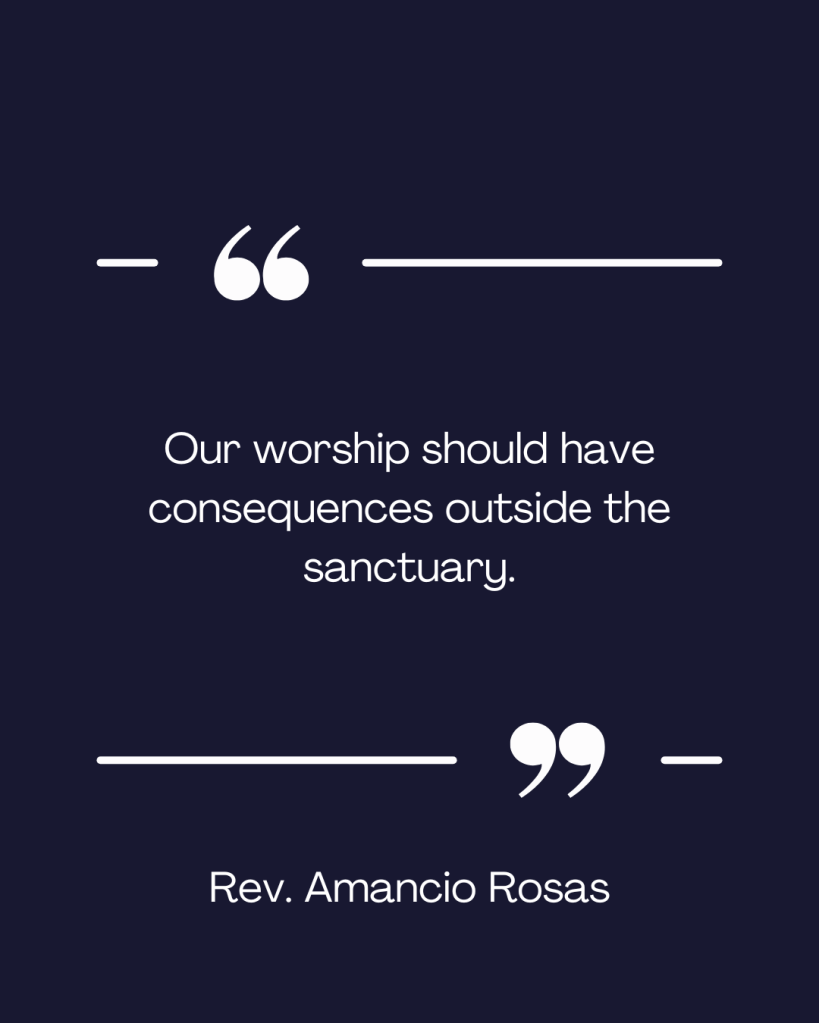
Our worship should have consequences outside the sanctuary.

More Than Choosing a Side

When injustice or oppression becomes visible, our first instinct can sometimes be to determine which “side” we are supposed to support.

But Christian faithfulness requires something deeper.

Our response cannot be reduced simply to voting, political affiliation, or participation in cultural arguments. Before asking which group we belong to, we should be asking what faithfulness to Christ requires of us.

Who is hurting?

Who is being overlooked?

Where is truth being ignored?

How can we love our neighbor while remaining faithful to God?

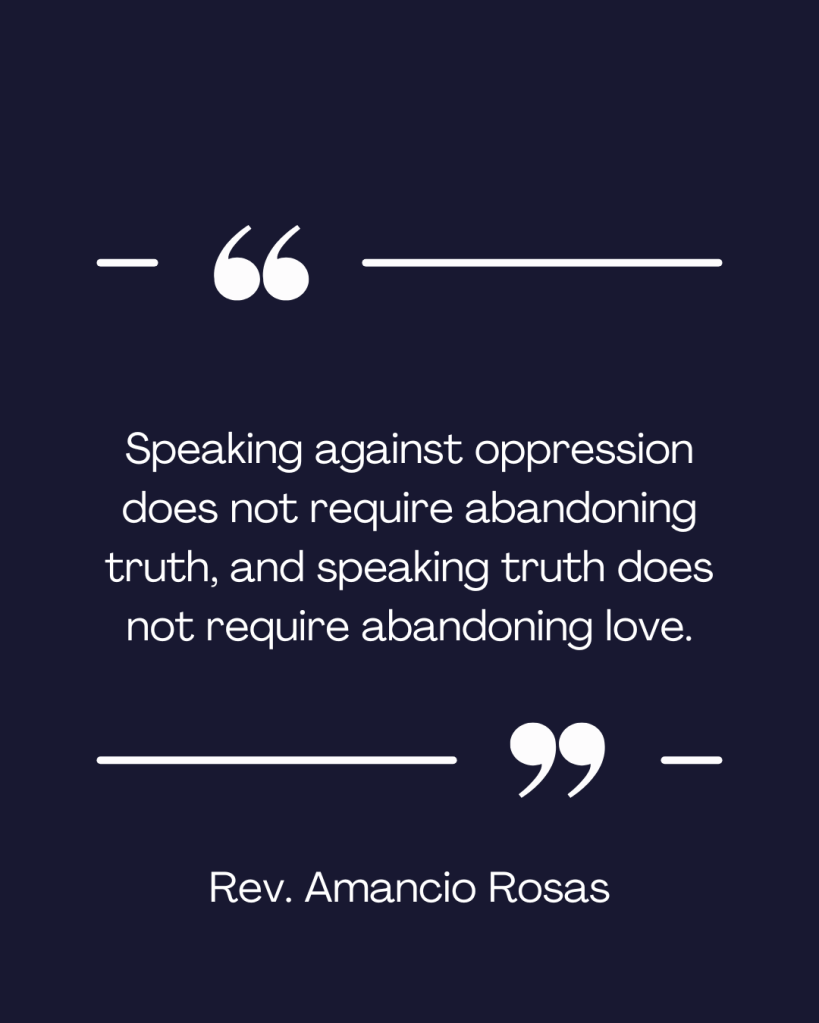
Speaking against oppression does not require abandoning truth, and speaking truth does not require abandoning love. Biblical worship should form believers who are capable of doing both.

If our lips declare the goodness of God on Sunday, our actions throughout the week should reflect the character of the God we worship.

When Guilt Builds Walls

Ezra introduces another dimension of worship: intercession.

After Israel survived exile, the people continued struggling with compromise and sin. Ezra felt the spiritual weight of what was happening among God’s people and responded through prayer.

Donna Petter makes an important observation about Ezra’s prayer: it calls upon God’s mercy to act.

There is an important tension here.

The people still needed to respond through repentance. Ezra’s prayer did not eliminate human responsibility. Yet Israel could not manufacture divine forgiveness for itself either. They needed the mercy and grace of God.

This has significant implications for pastoral ministry.

I have seen people become stuck in their faith because of their past. Even after change begins and forgiveness has been offered, guilt can remain.

The question becomes:

“Does God really love me even though I have sinned?”

When that question goes unanswered, guilt can slowly build walls.

When an Encounter Turns Into Guilt

I have seen a version of this in youth ministry.

A young person may come to church and genuinely encounter God. Then they disappear for several weeks. Eventually, the longer they stay away, the harder returning becomes.

What began as an encounter with God can become overshadowed by guilt.

They may think they have disappointed God. They may feel embarrassed about returning. They may convince themselves that they need to “get right” before coming back.

Those are moments when pastoral ministry requires more than asking, “Where have you been?”

Sometimes we need to stand in the gap.

Ezra reminds me of the importance of praying on behalf of the people God has entrusted to us. I have had opportunities to pray over young people and ask God to extend His mercy, restore their hearts, and help them experience the freedom they have in Christ.

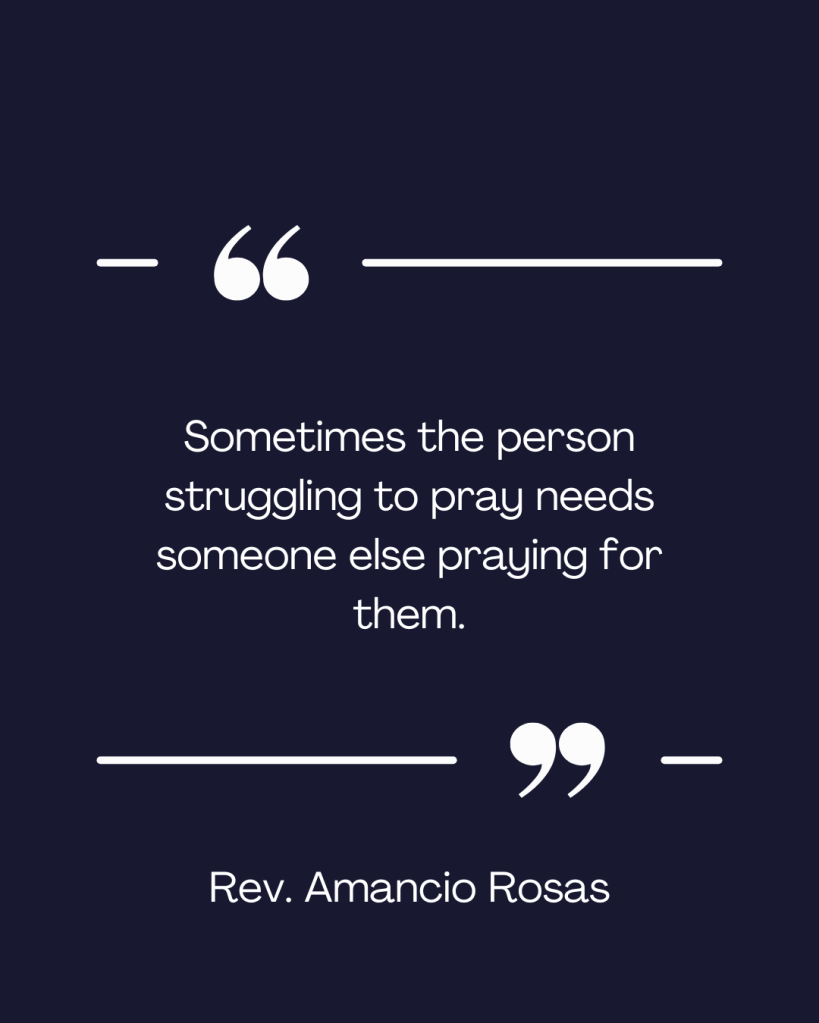
Sometimes the person struggling to pray needs someone else praying for them.

That is part of the beauty of intercession.

Worship Moves in Two Directions

Amos and Ezra ultimately challenge me in complementary ways.

Amos pushes worship outward.

If I worship God, I should care about my neighbor. I should notice suffering, confront injustice with truth and love, and refuse to allow my Christianity to become merely ritualistic.

Ezra pushes worship upward.

When I see brokenness, sin, guilt, and spiritual struggle around me, I should bring those people before God. I cannot transform another person’s heart, but I can intercede for them and trust the mercy of God.

Together, these perspectives create a powerful picture of worship:

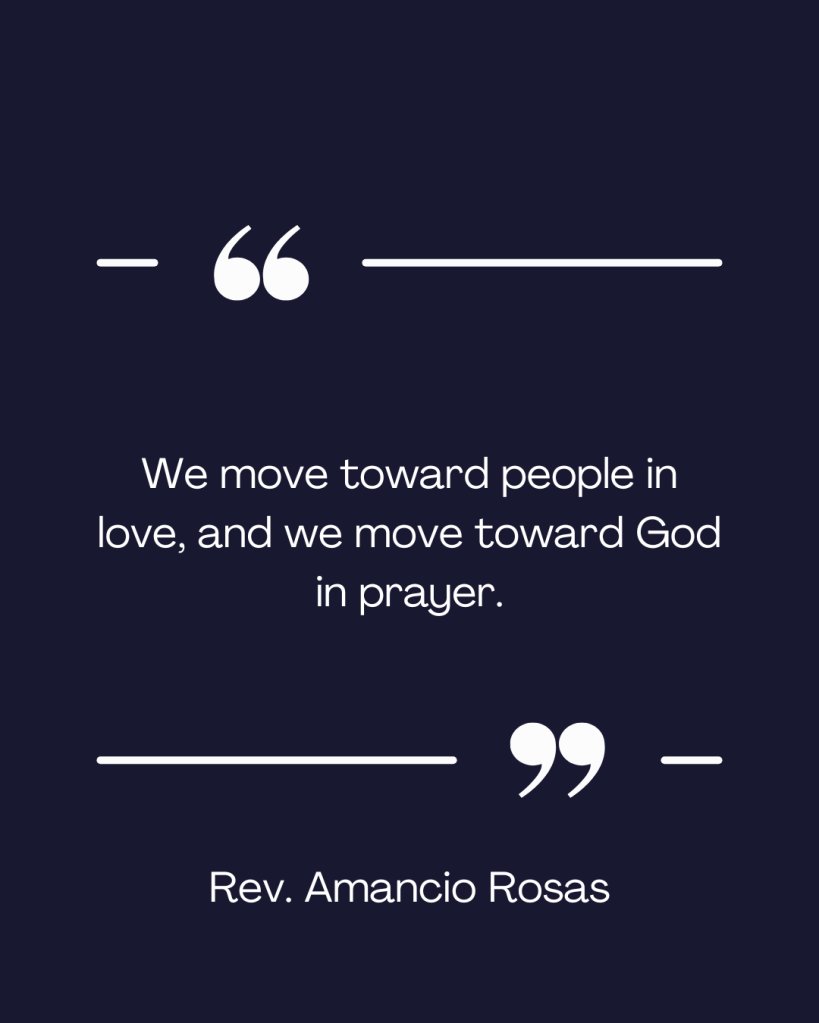
We move toward people in love, and we move toward God in prayer.

That challenges me personally because life does not become less busy as ministry responsibilities increase. If anything, busyness makes intentional intercession more difficult.

But perhaps that is exactly why it must become a discipline.

The more people God places around me, the greater my responsibility to remember that ministry is not only what I say to people. Ministry also includes what I say to God about them.

From Ritual to a Life of Worship

The challenge of Amos remains relevant: worship cannot become something we perform while ignoring the world around us.

The example of Ezra adds another dimension: when we encounter the brokenness of that world, our response should include intercession.

Biblical worship therefore refuses to remain confined to a service.

It enters our relationships.

It shapes our response to injustice.

It brings other people’s burdens into our prayers.

It calls us toward repentance.

And it continually brings us back to the mercy of God.

Perhaps one of the questions every worshiper should regularly ask is not simply, “Did I worship God today?”

Instead, we might ask:

“What is my worship producing in the way I love people, respond to brokenness, and pray for those God has placed around me?”

When worship begins transforming those areas of our lives, it moves beyond ritual and becomes a way of life.