Categories
Educational Journey Uncategorized

A Journey Between Two Worship Worlds: What Catholicism and Pentecostalism Taught Me About Liturgy

For most of my life, I participated in liturgy before I really understood what liturgy was.

When I heard the word liturgy, my mind naturally leaned toward traditional forms of worship, the kind of structured worship I experienced growing up Catholic. Yet as I have studied worship more intentionally, I have begun recognizing something important: liturgy is not limited to churches with robes, candles, sacraments, or ancient traditions.

Every church has patterns.

Every congregation develops practices that shape how people approach God.

And sometimes, we participate in those patterns for years before realizing how deeply they are forming us.

Growing Up in a World of Reverence

My earliest experiences with Christian worship came through Catholicism.

The worship environment emphasized reverence and order. Scripture was read. Prayers were offered. Music accompanied the congregation. The Eucharist occupied an important place in worship. Symbols, movements, candles, holy water, and other practices communicated that worship was something sacred.

There was an order to what happened.

Even the physical movements within the service communicated something. The priest’s movement toward the altar, the participation of those assisting him, congregational responses, and the celebration of the Eucharist all contributed to the experience of worship.

As a child, I wasn’t analyzing these things theologically.

I was simply experiencing them.

Looking back, however, I can see that these practices were teaching me something about reverence, community, sacredness, and the importance of approaching God intentionally.

Then my Christian journey entered a very different worship world.

Encountering Pentecostal Worship

During my high school years, I moved from my Catholic upbringing into Christianity within a Pentecostal environment, particularly the Assemblies of God.

The transition was significant.

Suddenly, I encountered people lifting their hands in worship. I saw people bowing at altars. I heard speaking in tongues. Music was contemporary and production-oriented. Worship seemed to allow significantly more freedom of expression than what I had experienced growing up.

At first, these differences were striking.

Yet something I now recognize is that Pentecostal worship still had an order.

There was worship. There was giving. There was preaching. There were opportunities to respond to the gospel. Communion was practiced. The service was structured, but within that structure there was room for freedom and personal response.

That realization has challenged one of the assumptions I previously carried about liturgy.

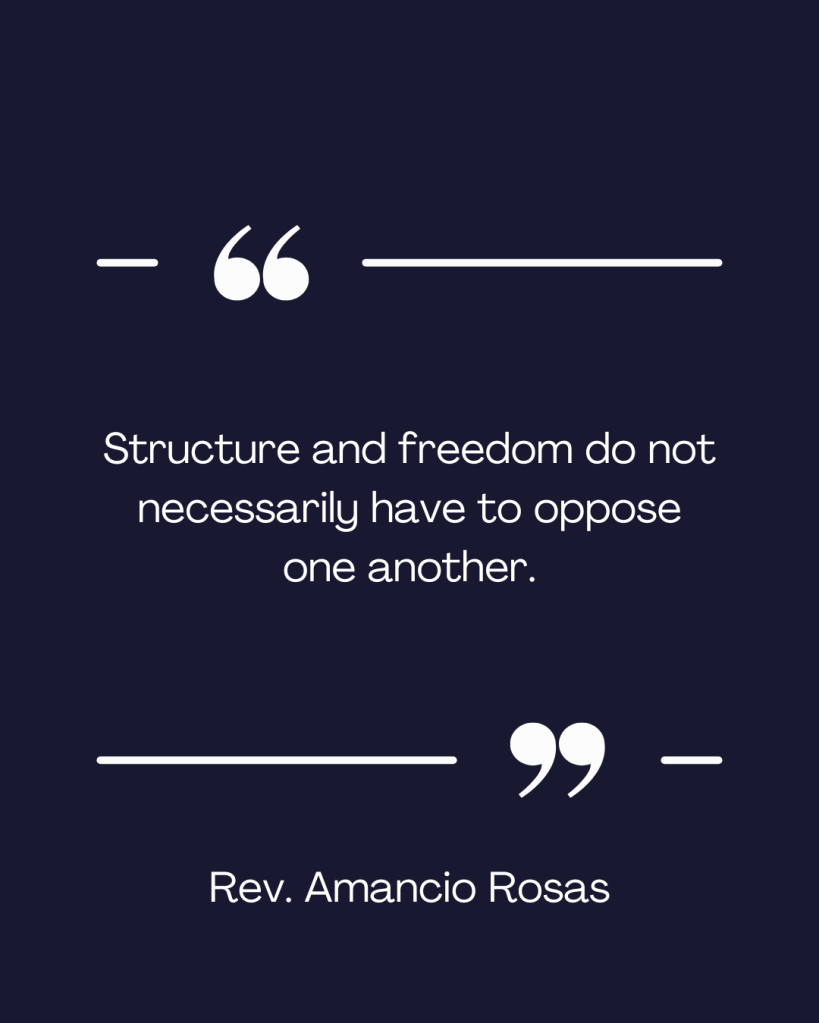
Structure and freedom do not necessarily have to oppose one another.

A worship service can have an intentional order while still creating room for people to respond personally to God.

When Music Becomes More Than Music

Music also became an important difference between these worship experiences.

I had experienced congregational music within Catholic worship, but Pentecostal worship introduced me to another dimension of how music could function within a service.

Music wasn’t simply something happening before the sermon.

The words being sung could help direct the congregation’s attention toward God. Worship leaders could help prepare people to reflect, respond, pray, and become more aware of God’s presence.

That has helped me think differently about the role of music in worship.

Music can participate in the spiritual formation of a congregation.

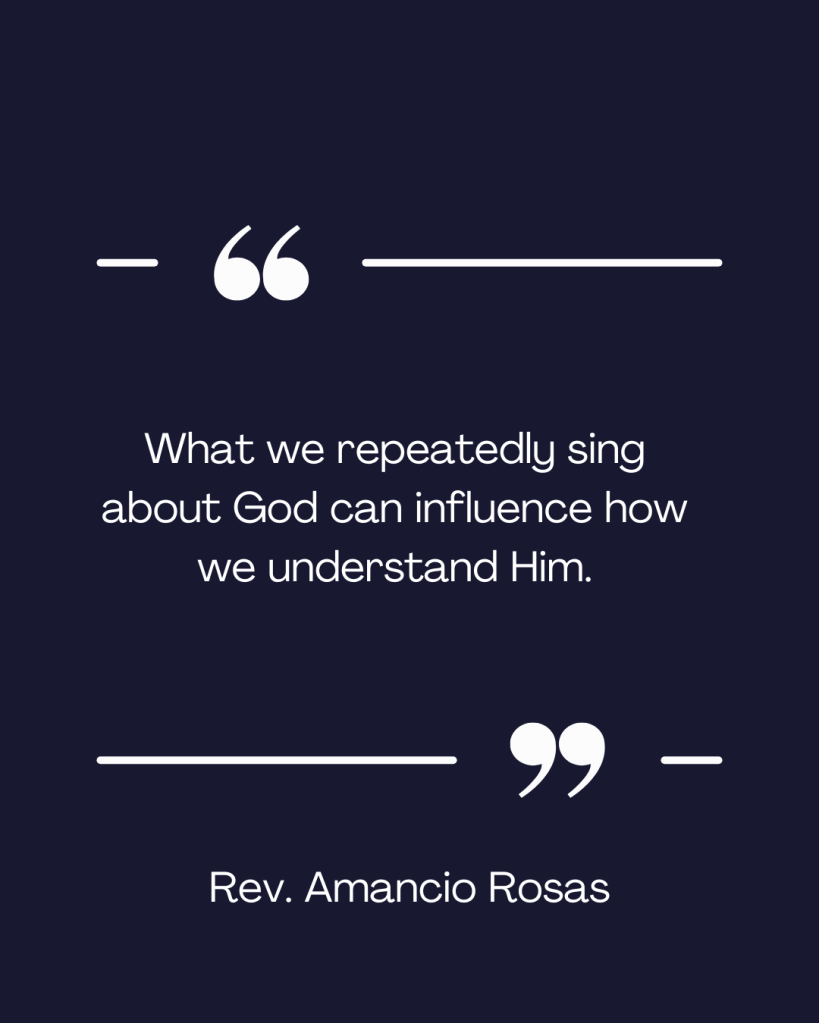
What we repeatedly sing about God can influence how we understand Him. What we sing about surrender, grace, holiness, salvation, and faith can eventually become part of the theological vocabulary through which we understand our relationship with God.

Worship music, therefore, is not merely preparation for something more important.

It is itself part of the worshiping life of the Church.

Where I Worship Today

Today, I worship and serve at Mission City Church, a contemporary non-denominational church whose worship environment has many similarities to my Pentecostal roots.

Our services normally include worship, prayer, giving, preaching, and altar ministry. We celebrate communion monthly. There are also occasions when people experiencing sickness or medical difficulties are prayed for through laying on of hands and anointing with oil.

What I particularly appreciate is the personal dimension of these practices.

There is something meaningful about praying for another person rather than merely acknowledging that prayer matters. There is something meaningful about creating moments where people can reflect on what God may be doing in their lives.

These practices connect worship with the mission of the church.

If our mission involves helping people encounter Jesus, then the way we worship should participate in that mission.

Prayer matters.

Preaching matters.

Music matters.

Communion matters.

The opportunity to respond matters.

They are not simply pieces of a Sunday schedule. Together, they help shape how a congregation encounters God and understands what it means to follow Him.

A Journey Between Two Worlds

Looking back, I can appreciate aspects of both worship worlds that have shaped me.

My Catholic upbringing exposed me to reverence, order, symbolism, Scripture, sacrament, prayer, and communal participation.

My Pentecostal formation introduced me to expressive worship, altar response, spiritual gifts, contemporary worship music, and an expectation that people could actively encounter God during congregational worship.

My present church experience continues to shape how I understand these things.

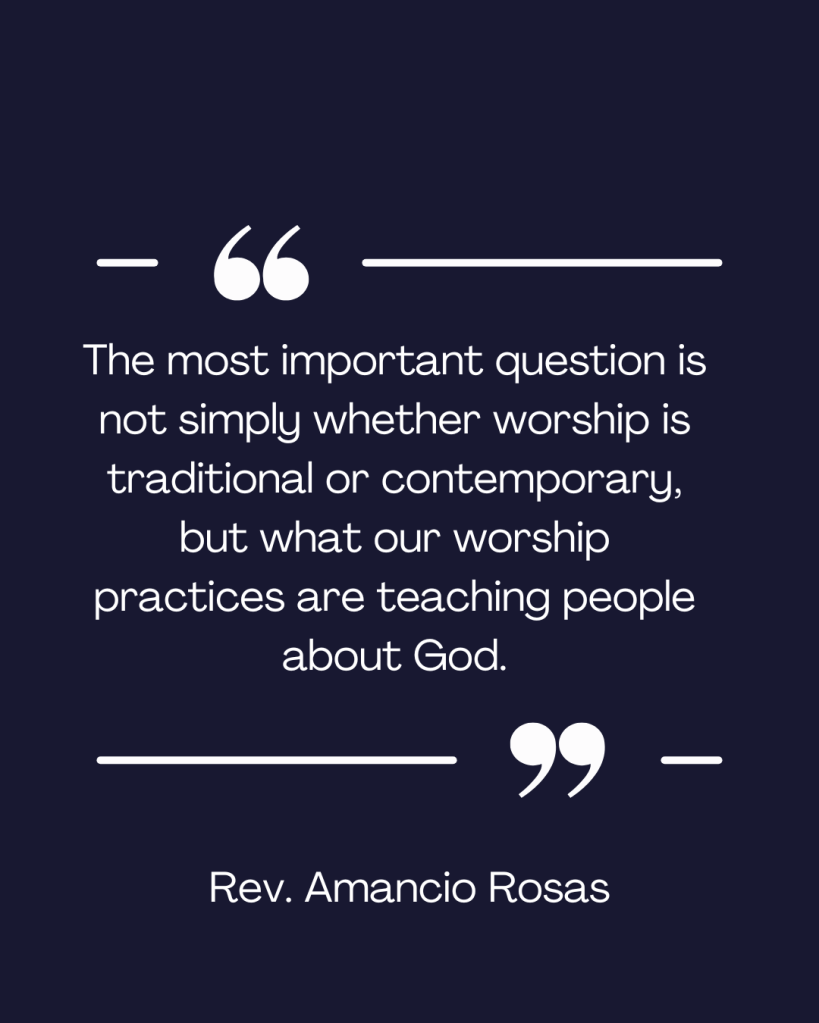
I no longer think the most important question is simply whether worship is traditional or contemporary.

A deeper question is:

What are our worship practices teaching people about God?

Every repeated practice communicates something.

The songs we sing communicate something.

The way we pray communicates something.

The way we preach communicates something.

The way we approach Communion communicates something.

Even the way we invite people to respond communicates something about what we believe God is doing among His people.

Learning the Language for What I Already Experienced

I am still learning about liturgy.

In fact, one of the most valuable realizations from studying worship has been recognizing how much I have experienced without necessarily having the theological vocabulary to explain it.

I knew what it was like to experience structured worship.

I knew what it was like to experience expressive worship.

I knew Eucharist and Communion.

I knew congregational singing.

I knew preaching.

I knew prayer.

I knew altar calls.

I knew what it was like to watch people seek an encounter with God.

What I didn’t always recognize was how all these practices fit together and shape the worshiping life of a congregation.

Perhaps that is one of the gifts of theological education.

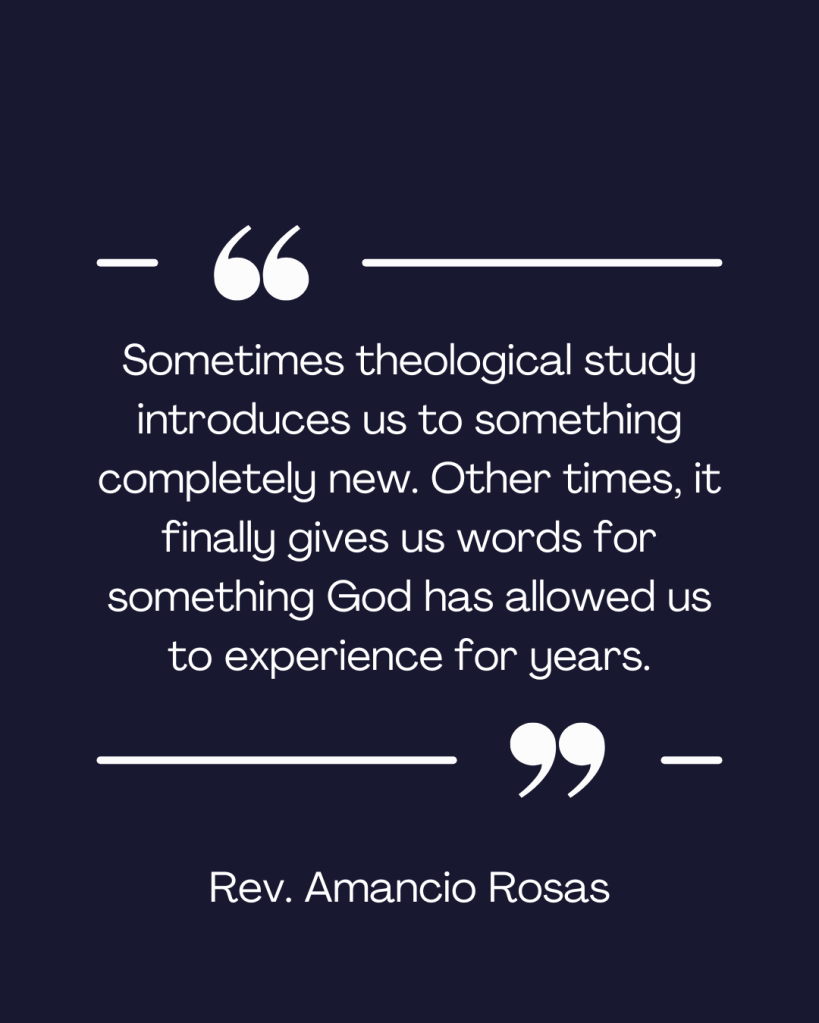
Sometimes theological study introduces us to something completely new.

Other times, it finally gives us words for something God has allowed us to experience for years.

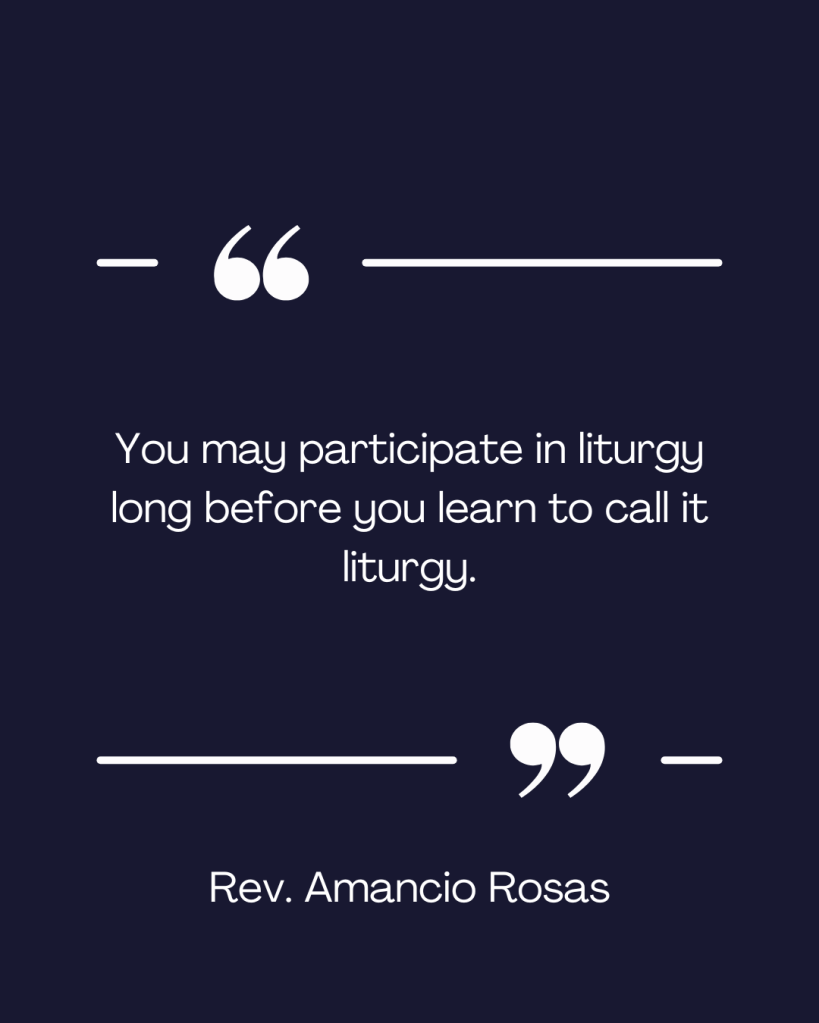
You may participate in liturgy long before you learn to call it liturgy.
Categories
Educational Journey Uncategorized

Beyond Attendance: Worship as a Life of Rhythm and Remembrance

When we hear the word liturgy, many of us immediately think about a formal church service. We might picture a particular order of worship, prayers, Scripture readings, Communion, or traditions practiced within certain denominations.

But what if liturgy is bigger than what happens during a Sunday service?

What if our lives are being shaped by liturgies every day?

While studying biblical worship, I have been challenged to think about worship not simply as something Christians attend but as a way of life formed through repeated rhythms. The things we continually give our time, attention, and energy to eventually shape what we value.

That realization raises an important question: What rhythms are shaping my worship?

More Than Attending Church

There was a season when I wanted to become more involved in my local church, but my schedule made that increasingly difficult. Between work, academics, ministry responsibilities, and everything else happening in life, there simply was not much margin.

During that season, I remember telling my pastor something that has continued to shape the way I think about church:

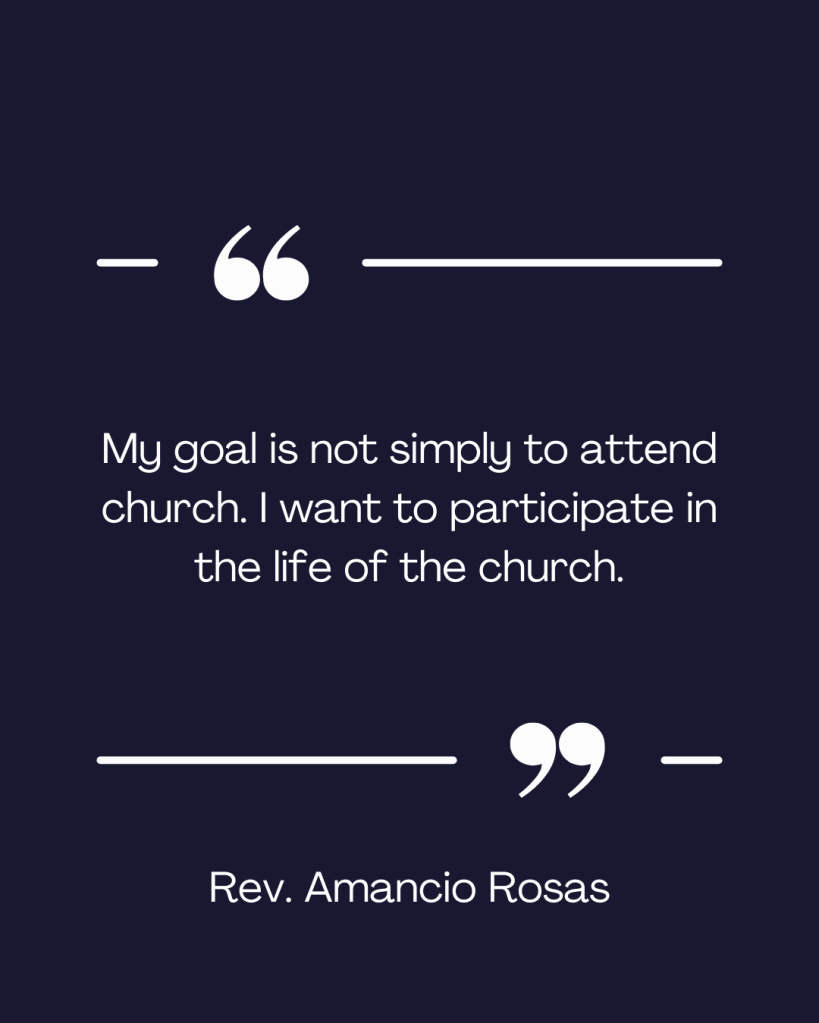
My goal is not simply to attend church. I want to participate in the life of the church.

There is a difference.

Church attendance certainly matters. Gathering with other believers is an important part of Christian discipleship. But the Christian life cannot be reduced to occupying a seat for a couple of hours each week.

The church is a community in which we worship together, serve together, pray together, grow together, encourage one another, and participate in God’s mission together.

That requires rhythm.

Our schedules reveal what repeatedly receives our attention. Work has a rhythm. School has a rhythm. Entertainment has a rhythm. Relationships have rhythms. Even our phones create rhythms through notifications, scrolling, and constant communication.

None of these things are automatically wrong. However, they can become competing liturgies when they consistently shape our lives more powerfully than our devotion to God and participation in Christian community.

I eventually had to examine what was preventing me from participating more fully in the life of the church and make adjustments. Those changes created greater space for spiritual growth, ministry involvement, and Christian community.

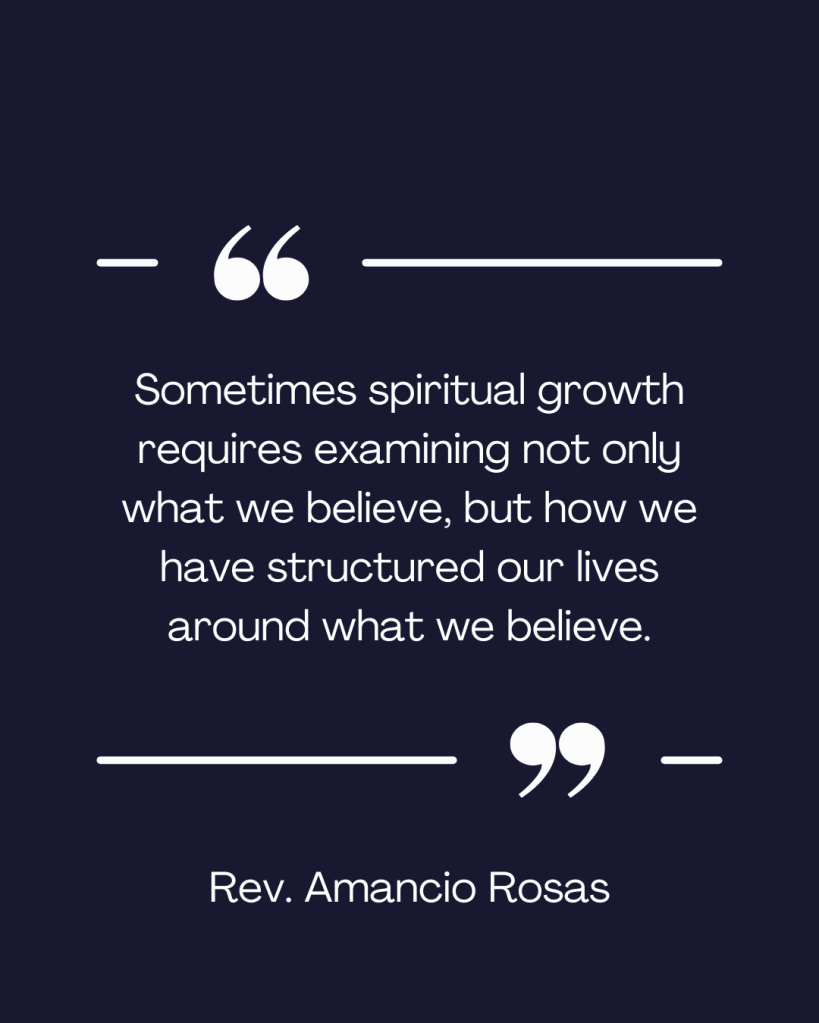
Sometimes spiritual growth requires examining not only what we believe, but also how we have structured our lives around what we believe.

Israel’s Worship Was Built Around Remembrance

This connection between worship and rhythm is not something invented by the modern church.

We see it throughout Scripture.

Leviticus 23 describes appointed times when Israel gathered to observe feasts and sacred occasions before the Lord. These celebrations created recurring rhythms within the life of God’s people.

Israel was repeatedly called to remember.

Remember God’s deliverance.

Remember God’s provision.

Remember God’s covenant.

Remember who they were because of what God had done.

Their calendar itself became a tool for spiritual formation.

God’s people were not simply learning theological information about Him. Their lives were structured around practices that continually brought God’s faithfulness back into view.

That principle remains valuable for Christians today.

Worship Looks Back So Faith Can Move Forward

Biblical remembrance is more than nostalgia.

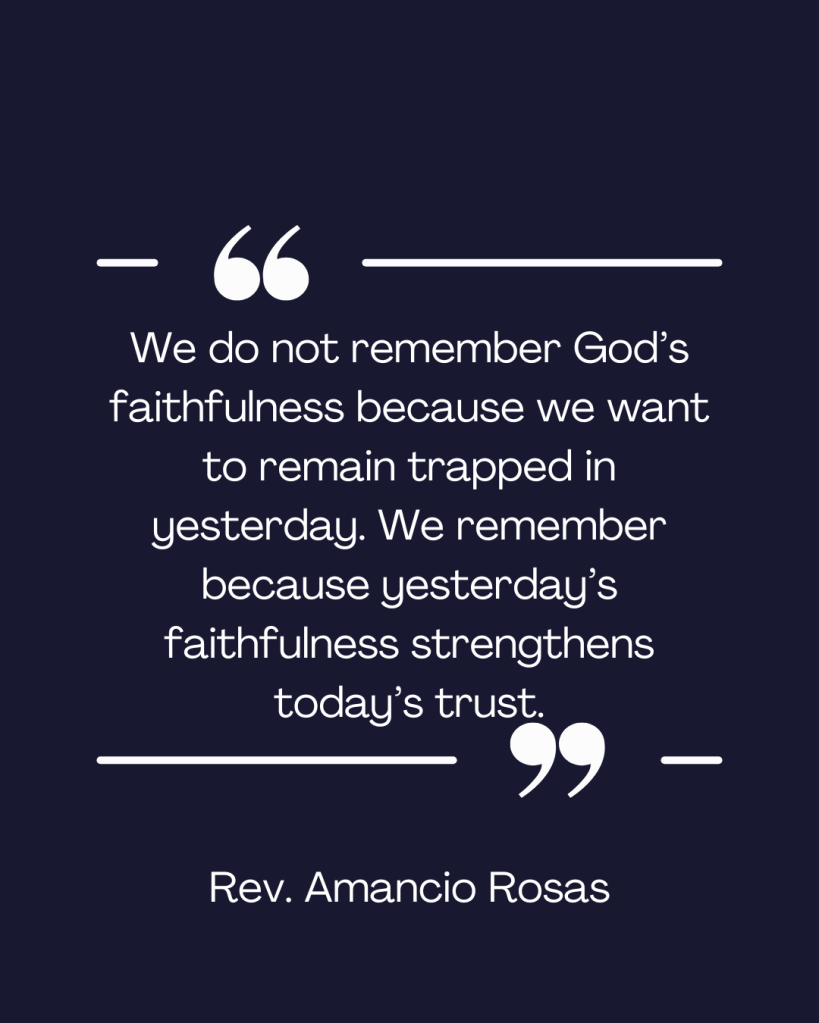
We do not remember God’s faithfulness because we want to remain trapped in yesterday. We remember because yesterday’s faithfulness strengthens today’s trust.

There are moments when we need to look backward so that we have the faith to continue moving forward.

Think about what happens when someone shares a testimony.

A testimony declares:

This is where I was.

This is what God did.

This is where I am now.

That remembrance becomes worship because the focus ultimately moves from our circumstances to God’s faithfulness.

Baptism provides another powerful picture of remembrance and testimony. It publicly identifies the believer with the death and resurrection of Jesus Christ while declaring the reality of a transformed life.

Our personal practices can also create rhythms of remembrance.

Journaling prayers, for example, allows us to return months or even years later and recognize prayers God answered, situations God carried us through, and moments when His faithfulness became evident in ways we might otherwise have forgotten.

Sometimes we need written reminders that say, in effect:

God met me there.

And when another difficult season comes, those memories can strengthen our confidence that the same God remains faithful.

Churches Need Memory Too

Remembrance should not only happen individually.

Churches have stories.

Congregations experience seasons of growth, difficulty, transition, revival, loss, provision, and transformation. Remembering those moments can teach future generations about God’s faithfulness.

This is especially important in a culture constantly searching for what is new.

There is value in asking:

Where has God brought us from?

What prayers has He answered?

What difficult seasons did He carry this congregation through?

What can the next generation learn from those who came before them?

When those stories are preserved and shared, church history becomes more than information about the past. It becomes testimony.

One generation can tell another generation, “This is what we saw God do.”

And the next generation can respond with faith for what God may do again.

What Is Shaping Your Life?

Thinking about worship as liturgy ultimately forces us to examine our rhythms.

Everyone has them.

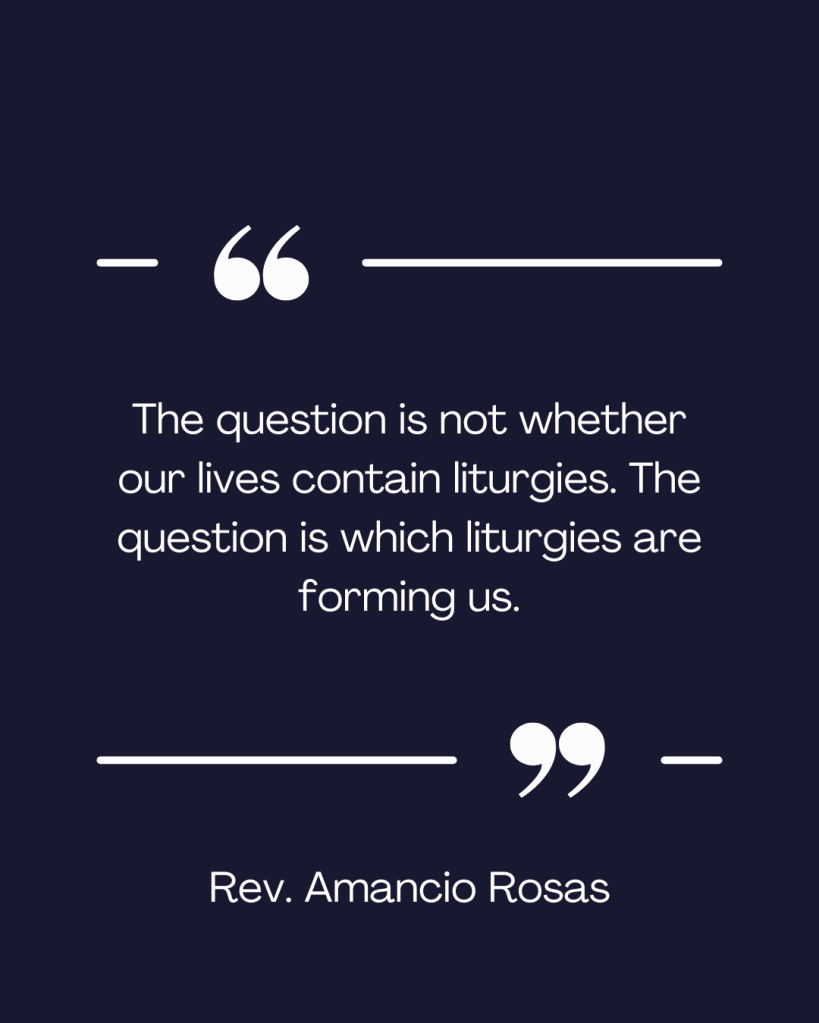
The question is not whether our lives contain liturgies. The question is which liturgies are forming us.

What consistently receives our time?

What repeatedly receives our attention?

What communities are shaping our identity?

What practices help us remember God’s faithfulness?

And perhaps one of the most important questions:

Are we merely attending church, or are we participating in the life of the church?

Worship extends far beyond the songs we sing on Sunday morning. It involves forming a life that repeatedly turns our attention toward God, remembers His faithfulness, participates in His people, and responds to what He has done.

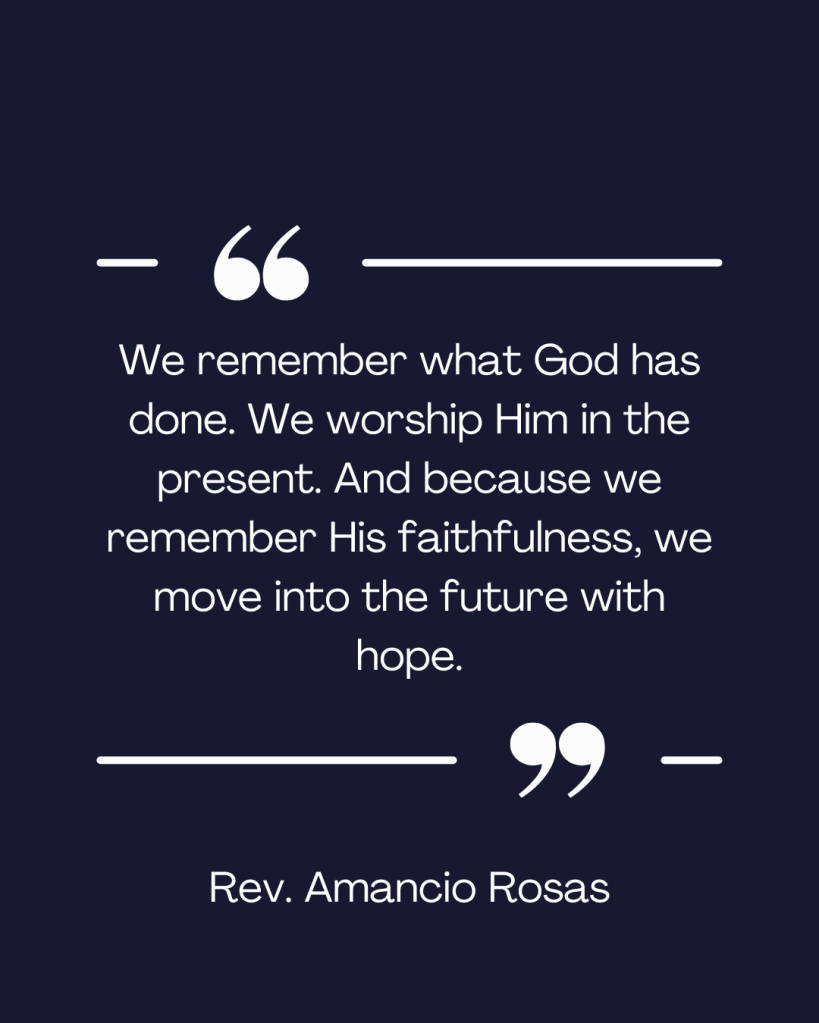
We remember what God has done.

We worship Him in the present.

And because we remember His faithfulness, we move into the future with hope.

Categories
Educational Journey Uncategorized

When Worship Hurts: Learning to Lament, Wait, and Trust God

When we think about worship, we often think about celebration.

We think about singing praises, declaring God’s goodness, thanking Him for answered prayers, and celebrating what He has done. These are beautiful and necessary expressions of worship. Yet Scripture reveals another dimension of worship that can sometimes make Christians uncomfortable:

Lament.

Lament reminds us that God is not afraid of the condition of our hearts. He receives our praises, but He also receives our questions, disappointments, fears, and cries for help.

Biblical worship does not require us to pretend everything is okay before approaching God.

Lament Is More Than Complaining

There is an important difference between lamenting and simply complaining.

Complaining can become focused entirely on the problem. Biblical lament brings the problem into the presence of God.

In Biblical Worship: Theology for God’s Glory, Erika Moore distinguishes biblical lament from contemporary ideas of psychological complaint. That distinction matters because lament has a theological direction.

Lament says:

“God, this hurts, but I am bringing this pain to You.”

The purpose is not simply to describe everything that has gone wrong. Lament creates a bridge between our suffering and our trust in God.

Throughout biblical lament, we find movements such as addressing God, presenting our concerns, asking Him to intervene, remembering His character, expressing confidence in Him, and continuing to worship.

This means faith does not require emotional dishonesty.

Sometimes one of the greatest expressions of faith is being willing to tell God exactly where we are while continuing to believe He is listening.

What Happens When God Seems Silent?

Psalm 88 provides an especially challenging picture of lament.

Many biblical passages eventually move toward an obvious declaration of hope or praise. Psalm 88 is different. The psalmist cries out to God while experiencing darkness, loneliness, and what feels like divine absence.

There is no neat resolution.

There is no immediate testimony at the end explaining how everything worked out.

And perhaps that is exactly why Christians need Psalm 88.

We often want prayer to produce a clear answer.

Yes.

No.

Go.

Stop.

This is what I am doing.

But what happens when the answer seems to be silence?

Dickson Ngama observes that sometimes believers must wait patiently even while making impatient demands of God, and that waiting itself requires faith.

That changes how we understand unanswered prayer.

Waiting is not necessarily evidence that God has abandoned us.

Waiting may become one of the places where faith is formed.

Faith in the Waiting

We live in a culture built around speed.

We can receive food quickly, communicate instantly, order products and have them delivered rapidly, and access enormous amounts of information within seconds.

Then we pray.

And sometimes God says:

Wait.

Waiting can expose things within us that immediate answers never would.

It confronts our fears.

It exposes our desire for control.

It challenges our expectations.

It forces us to ask whether our confidence rests in receiving the outcome we want or in the character of the God to whom we prayed.

There are situations in my own life where I would love for God to provide an immediate answer. Yet discipleship means learning that God’s timing does not operate according to my preferred schedule.

Sometimes faith means moving.

Sometimes faith means stopping.

And sometimes faith means remaining exactly where God has placed us until greater clarity comes.

Making a quick decision simply because waiting feels uncomfortable can easily become an attempt to manufacture our own answer.

Biblical lament teaches another possibility:

We can remain before God even when the answer has not arrived.

When Prayer Becomes Gossip

Lament also has implications for how churches respond to the suffering of others.

Church communities can become messy because churches consist of imperfect people being transformed by the grace of God.

Unfortunately, there are moments when Christians can disguise gossip as spiritual concern.

We have probably heard some variation of:

“I’m not gossiping. I’m telling you so we can pray for them.”

Yet simply attaching prayer language to someone’s personal situation does not automatically make the conversation healthy.

Biblical lament should draw us toward compassionate presence rather than curiosity about another person’s problems.

Instead of asking, “What happened to them?”

Perhaps the church should become better at asking:

“How can we stand with them?”

There are times when suffering people do not need another theological explanation.

They need someone willing to sit beside them.

Pray with them.

Cry with them.

Listen to them.

Carry burdens with them.

And continue believing with them when they are struggling to believe for themselves.

Can the Church Become a House of Lament?

This raises an important question for contemporary worship:

Does our worship make room for people who are suffering?

Churches should absolutely celebrate God’s goodness.

We should sing about His victory.

We should testify about answered prayer.

We should celebrate healing, restoration, salvation, deliverance, and transformation.

But what about the person whose prayer has not yet been answered?

What about the family experiencing grief?

What about the believer asking God for direction and hearing nothing?

What about someone faithfully praying for healing while continuing to suffer?

If our worship only gives language to victory, suffering Christians may begin wondering whether something is wrong with their faith.

Scripture gives them another vocabulary.

Lament.

Perhaps our churches need intentional moments where believers can acknowledge suffering together.

That could happen through congregational prayer, Scripture readings, pastoral prayer, testimony, small groups, prayer gatherings, or even carefully selected songs that acknowledge suffering while directing people toward God.

A church can be both a house of praise and a house of lament.

Those realities do not contradict one another.

They belong together.

Worshiping Before the Answer Comes

One of the deepest lessons of lament is that worship does not have to wait until the testimony is finished.

We can worship while waiting.

We can pray while confused.

We can trust while hurting.

We can remain faithful while still asking questions.

And sometimes our greatest declaration of faith is not:

“God answered exactly how I expected.”

Sometimes it is:

“I still trust God even though I do not understand what He is doing.”

Psalm 88 reminds us that Scripture has room for prayers that end without resolution.

That means the church should have room for people whose stories are still unfinished.

Perhaps mature worship is not only praising God after the breakthrough.

Perhaps mature worship is learning to remain in His presence before the answer comes.

Inspired by reflections from Biblical Worship: Theology for God’s Glory by Benjamin K. Forrest, Walter C. Kaiser Jr., Vernon M. Whaley, David M. Wheeler, John W. Cartwright, and C. Randall Bradley (Kregel Academic, 2021).