A reflection on Luke 22:31–32
There are moments when life looks very different from what we prayed for or imagined. We make plans, work toward a goal, and try to follow God faithfully. Then circumstances change, and questions begin to surface.
Did I misunderstand God? Am I going anywhere? Can I still trust Him when I cannot understand what He is doing?
As I preached “The Enemy Tactic #6: Sifting,” I recognized how personally I knew those questions. This message grew out of my own struggle to trust God through disappointment. Reflecting afterward has also helped me express more carefully what I wanted students to understand.
Pressure can expose our vulnerability
In Luke 22:31–32, Jesus warns Peter that Satan has asked to sift the disciples like wheat. Grain shaken in a sieve becomes a picture of severe testing.
Peter responds confidently. He believes he is ready to follow Jesus into prison and even death. Yet within hours, he denies knowing Him.
Peter’s experience challenges me because sincere intentions do not make us immune to weakness. We can love Jesus and still underestimate how fear, disappointment, or the desire for acceptance can influence our choices.
The enemy seeks to undermine our trust and obedience. He can exploit painful circumstances, but that does not mean every hardship comes directly from Satan. Illness, grief, academic difficulties, and conflict can have many causes. Neither suffering nor asking difficult questions automatically indicates spiritual failure.
The question I wanted students to consider was: What am I tempted to believe or do when pressure comes?
We cannot always control our circumstances. We can bring our responses before God and ask for help discerning our next step.
When my plans stopped making sense
I remember a season after leaving a ministry position that required a demanding commute. I had wanted to serve and build toward a future in ministry. Instead, I found myself working intensely, taking on another job, and struggling to understand how my circumstances connected to my calling.
One day in a parking lot, I brought my frustration to God.
Had He really called me? Why did I feel directionless? How could I pursue ministry when work seemed to consume so much of my life?
I experienced that season as failure. Looking back, I recognize that a ministry assignment ending is not necessarily a failure to obey God. Likewise, an academic setback, an unmet expectation, and Peter’s denial are different experiences with different responsibilities attached to them. Their connection in my message was the pressure they can create and the questions that pressure can raise.
Through prayer, I began surrendering my timetable and expectations. My prayer became a request for God to help me trust Him while I could not see the outcome.
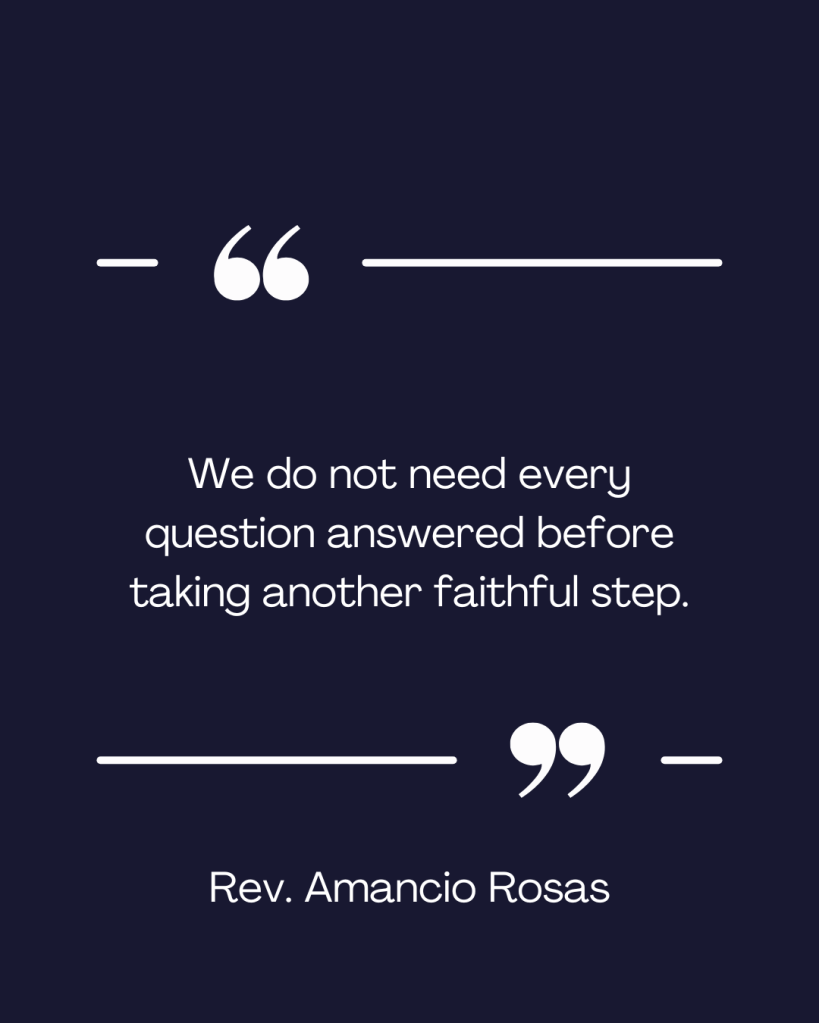
I experienced peace as I entrusted those burdens to Him. Some questions remained unanswered, but I no longer needed to resolve every question before taking another faithful step.
Failure is serious, and restoration is possible
During the sermon, I said that failure is “okay” in Jesus’ eyes. What I intended to convey deserves a more careful explanation.
Jesus takes sin seriously, and He graciously calls those who fail to repent and return to Him.
Peter’s denial was wrong. His grief mattered, and his return mattered. Jesus’ anticipation of that return gives hope without excusing what Peter did.
That was the encouragement I wanted students to receive: having failed does not mean they should hide from Christ or assume that seeking forgiveness is pointless. They can confess their sin, receive His mercy, and respond to His restoring work.
Grace also allows us to accept responsibility. When our decisions contribute to a setback, we can acknowledge that honestly and make needed changes.
Jesus continues to intercede
Before Peter denies Him, Jesus tells him that He has prayed for him. Peter does not yet understand his vulnerability, but Jesus already sees it.
Hebrews 7:25 connects this assurance with Christ’s continuing ministry: He lives to intercede for those who come to God through Him.
In preaching, I described Jesus as praying the “exact same words” for us. My intention was to emphasize the personal care and assurance we find in His intercession. Scripture does not disclose the precise wording of His prayers for each believer.
What we can confidently affirm is that the risen Jesus continues to intercede for His people. His concern for us is real, and we can approach God through Him.
Our hope rests in the Savior who died for our sins, rose again, and lives to intercede for us.
Hope can endure alongside unanswered questions
I also spoke strongly about hope overcoming fear and doubt. I wanted to encourage students to trust God’s promises more deeply than their changing emotions.
That does not mean sincere believers never feel afraid or uncertain. Hope can sustain us while grief remains painful, rejection still hurts, and questions continue.
Coming to the Father does not guarantee that every painful feeling immediately disappears. His love gives us a place to bring those experiences. Through Scripture, the Holy Spirit, and Christian community, we can receive strength to continue.
Romans 5:3–5 describes perseverance, character, and hope developing through suffering, grounded in God’s love poured into our hearts through the Spirit. This is a process of dependence and growth.
Bringing our burdens to God
Psalm 55:22 invites us to entrust our burdens to the Lord who sustains us. Second Corinthians 12:9 reminds us that Christ’s grace is sufficient and His power works in weakness.
Those passages invite honesty. Sometimes prayer begins with admitting that we are disappointed, exhausted, frightened, or unsure of what comes next.
God can change our circumstances. He also sustains us when relief takes time. My testimony reflects a season when His help included learning to trust Him while circumstances remained unresolved.
As I reflect on this message, I return to three questions:
- What pressures am I facing?
- What are they tempting me to believe or do?
- Am I willing to bring these burdens to God?
My desire was to help students recognize spiritual opposition and respond with dependence on Christ. Standing firm includes watchfulness, honest prayer, repentance when needed, and a willingness to receive help.
When pressure exposes our weakness, we can draw near to Jesus and depend on His grace for the next faithful step.