Categories
Uncategorized

Honest Worship: Bringing Our Hearts and Our Community Before God

A busy life can make it easy to move through spiritual routines without pausing to examine our hearts. We attend church, hear Scripture, and participate in prayer. Yet a question remains: Are we willing to let God change us?

During a recent prayer-night devotional, I reflected on Ezra 9:5–6 and two closely connected themes: honesty before God and concern for His people. Ezra’s response challenged me to consider both the sincerity of my worship and the people I carry into prayer.

A Restored Temple and a People Still Needing Renewal

Ezra ministered after the Babylonian exile, during the Persian period. The temple had already been rebuilt under the leadership of Zerubbabel and Jeshua, with encouragement from the prophets Haggai and Zechariah. Ezra later arrived as a priest and scribe committed to studying, practicing, and teaching God’s law (Ezra 6:14–15; 7:6–10).

Although the people had returned to their land, they still needed spiritual renewal. Ezra 9 describes covenant unfaithfulness involving marriages with surrounding peoples and participation in their detestable practices.

When Ezra learned what had happened, he grieved. At the evening sacrifice, he knelt, spread his hands toward God, and confessed the community’s sin.

His response invites us to ask how we respond when we recognize compromise in ourselves and among God’s people.

Honest Worship Requires Surrender

Ezra’s posture expressed the seriousness of his prayer. His kneeling and outstretched hands accompanied grief and confession. The challenge for us is to consider whether our outward expressions of worship reflect inward surrender.

Am I honest with God in prayer? Do I want Him to change me? Am I willing to follow His direction when it differs from my preference?

Luke 10:27 describes loving God with our heart, soul, strength, and mind, alongside loving our neighbor. That wholehearted devotion helps us consider how much of our lives we are willing to surrender.

I recognize how easily busyness can carry me through the motions. Work, school, and ministry responsibilities fill the day. I can think about Scripture while still needing to pause and respond to God personally.

Honesty also requires recognizing how we justify wrongdoing. We might describe a misleading statement in a way that makes it sound acceptable or compare ourselves with someone whose actions seem worse.

Different sins can cause different degrees of harm. However, comparison does not remove our responsibility. We need to ask what is true, whom we have hurt, and what obedience requires.

Repentance opens the way to acknowledging our wrong, receiving God’s mercy, and making the necessary change.

Intercession Grows from Shared Concern

In Ezra 9:6, Ezra speaks of “our” sins and “our” guilt. He identifies with the community as he confesses before God.

That shared concern challenges how we respond to struggling people. Do their difficulties move us toward prayer and restoration?

I work with fourth- and fifth-grade students. When they do not listen, frustration comes easily. But am I praying for them? Am I praying for my coworkers, for people who have hurt me, and for fellow believers who are struggling?

First Corinthians 12:26 teaches that members of Christ’s body share one another’s suffering and honor. Intercessory prayer is one way we express that belonging. We carry people’s needs before God because their lives matter to us.

Spiritual growth should deepen our compassion. Prayer, Bible study, and ministry service do not give us grounds to treat others as spiritually inferior. Accountability matters, and its purpose should include helping people move toward repentance and restoration.

We are not walking this walk alone.

Christ’s Sacrifice Gives Us Confidence to Draw Near

Our confidence before God rests on Jesus Christ. He offered Himself for our sins once for all, and through Him we can draw near with sincere hearts and the assurance of faith (Hebrews 10:10–14, 19–22).

Prayer and Bible reading nourish our faith, but they cannot earn redemption or make us superior to others. We receive salvation through Christ and respond to His mercy with obedience.

Romans 12:1 describes that response as offering ourselves as living sacrifices. Christ’s sacrifice redeems us; we offer our lives to Him in gratitude.

As we pray, we can bring both our own need for renewal and the needs of those around us. Ask the Holy Spirit to reveal where surrender is needed and bring someone to mind who needs prayer.

Who needs encouragement? Who needs restoration? What practical act of care can follow your prayer?

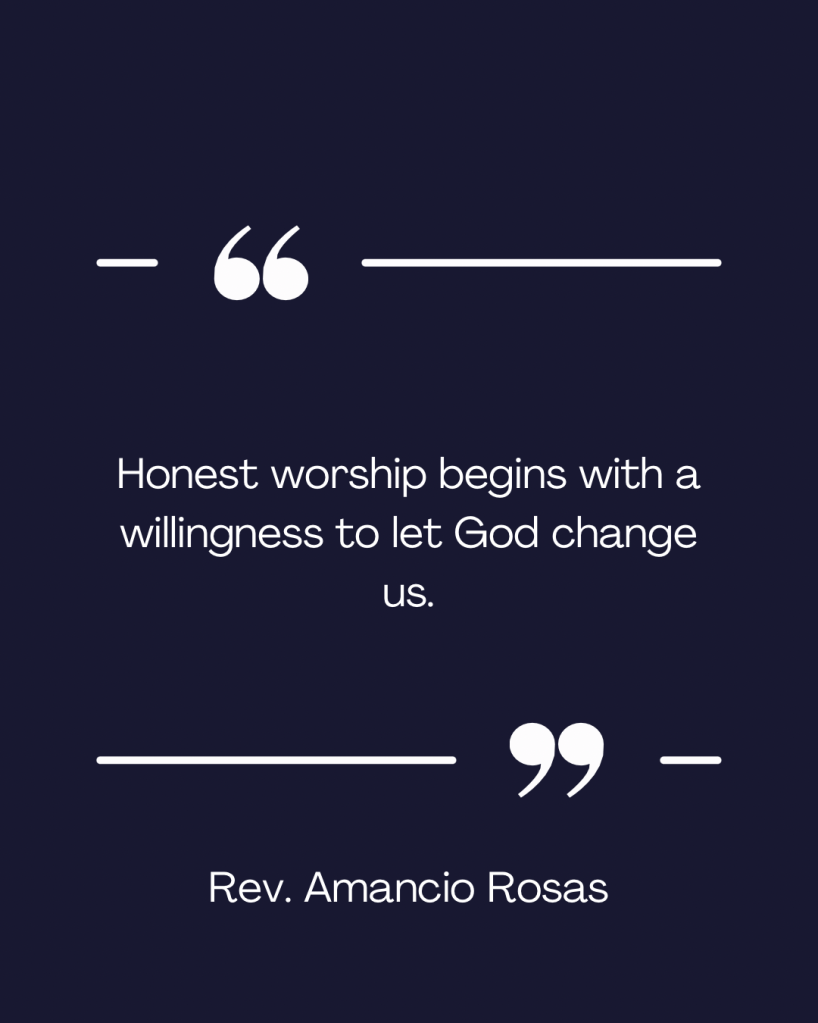
Honest worship brings our whole lives before God. Intercession brings our community with us.
Categories
Educational Journey Uncategorized

When Worship Leaves the Sanctuary: Justice, Mercy, and Intercession

Worship is easy to associate with what happens inside the church. We sing, pray, hear Scripture, give, and gather with other believers. Yet biblical worship consistently challenges us to consider what happens after we leave the sanctuary.

Does our worship change how we treat people?

Does our relationship with God shape how we respond to injustice?

And when people are overwhelmed by sin and guilt, are we willing to stand in the gap and pray for them?

The books of Amos and Ezra approach these questions from different circumstances, but together they reveal something important: worship should move us toward both people and God. We act with compassion toward others while interceding before God on their behalf.

When Worship and Justice Become Separated

During the time of Amos, Israel continued practicing religious rituals while injustice and oppression remained present within society. Their problem was not simply that they had abandoned religious activity. In many ways, they were still religious.

The problem was the separation between their worship and their treatment of others.

R. Alan Fuhr describes how Israel practiced the ritual worship required by the Mosaic law while simultaneously participating in social oppression and societal neglect. Their outward worship continued, but something was deeply wrong with the life surrounding it.

Israel could not separate devotion to God from righteous treatment of others.

That same principle should challenge Christians today.

We often emphasize having a “personal relationship with God,” and that relationship is essential. We also recognize our relationship with the Body of Christ. But biblical worship pushes us beyond ourselves. If we worship a God who is righteous, compassionate, merciful, and just, those characteristics should increasingly shape how we interact with the people around us.

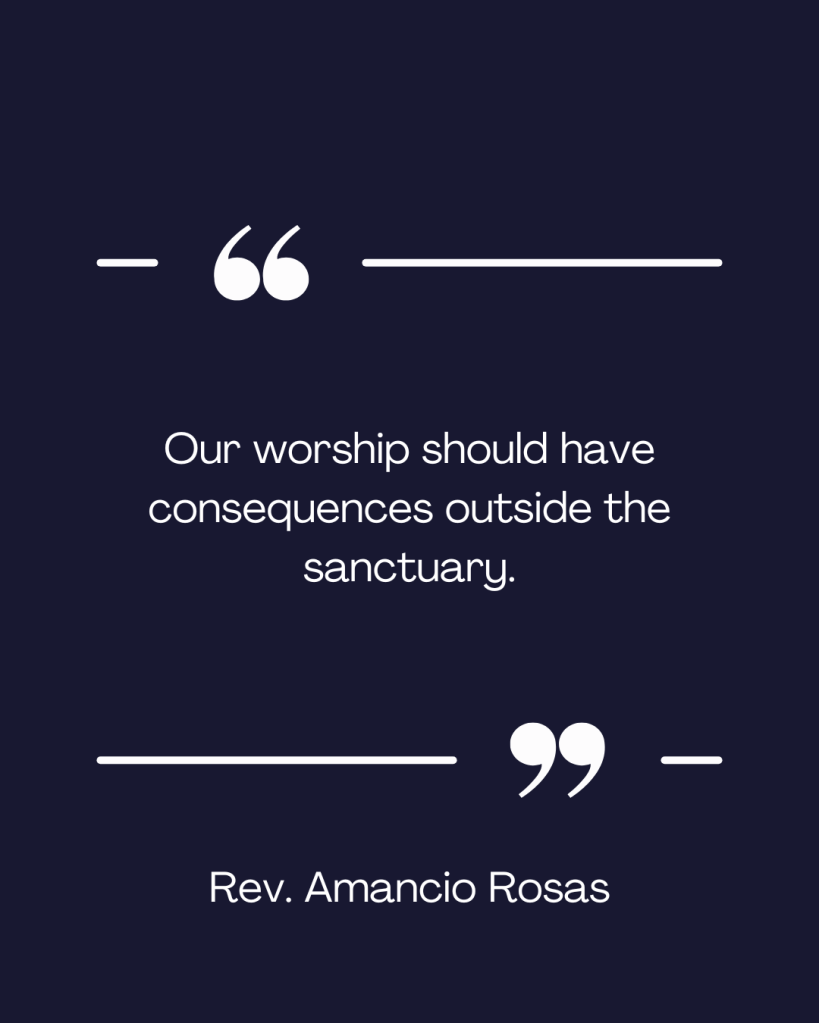
Our worship should have consequences outside the sanctuary.

More Than Choosing a Side

When injustice or oppression becomes visible, our first instinct can sometimes be to determine which “side” we are supposed to support.

But Christian faithfulness requires something deeper.

Our response cannot be reduced simply to voting, political affiliation, or participation in cultural arguments. Before asking which group we belong to, we should be asking what faithfulness to Christ requires of us.

Who is hurting?

Who is being overlooked?

Where is truth being ignored?

How can we love our neighbor while remaining faithful to God?

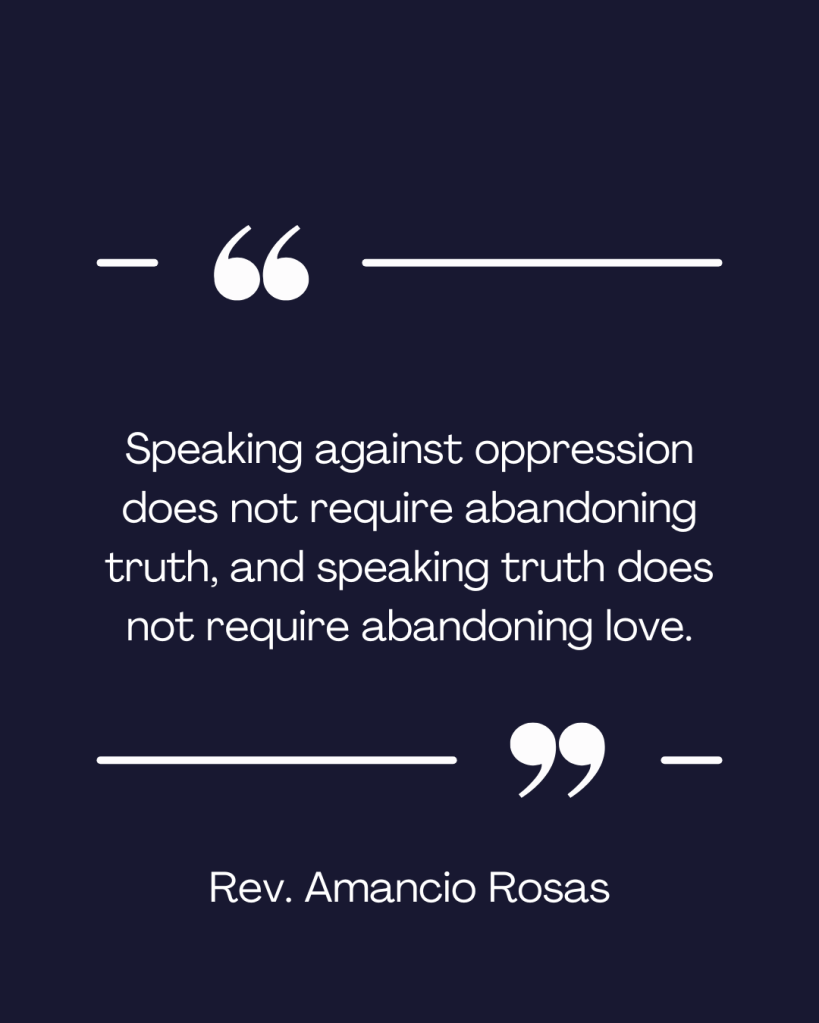
Speaking against oppression does not require abandoning truth, and speaking truth does not require abandoning love. Biblical worship should form believers who are capable of doing both.

If our lips declare the goodness of God on Sunday, our actions throughout the week should reflect the character of the God we worship.

When Guilt Builds Walls

Ezra introduces another dimension of worship: intercession.

After Israel survived exile, the people continued struggling with compromise and sin. Ezra felt the spiritual weight of what was happening among God’s people and responded through prayer.

Donna Petter makes an important observation about Ezra’s prayer: it calls upon God’s mercy to act.

There is an important tension here.

The people still needed to respond through repentance. Ezra’s prayer did not eliminate human responsibility. Yet Israel could not manufacture divine forgiveness for itself either. They needed the mercy and grace of God.

This has significant implications for pastoral ministry.

I have seen people become stuck in their faith because of their past. Even after change begins and forgiveness has been offered, guilt can remain.

The question becomes:

“Does God really love me even though I have sinned?”

When that question goes unanswered, guilt can slowly build walls.

When an Encounter Turns Into Guilt

I have seen a version of this in youth ministry.

A young person may come to church and genuinely encounter God. Then they disappear for several weeks. Eventually, the longer they stay away, the harder returning becomes.

What began as an encounter with God can become overshadowed by guilt.

They may think they have disappointed God. They may feel embarrassed about returning. They may convince themselves that they need to “get right” before coming back.

Those are moments when pastoral ministry requires more than asking, “Where have you been?”

Sometimes we need to stand in the gap.

Ezra reminds me of the importance of praying on behalf of the people God has entrusted to us. I have had opportunities to pray over young people and ask God to extend His mercy, restore their hearts, and help them experience the freedom they have in Christ.

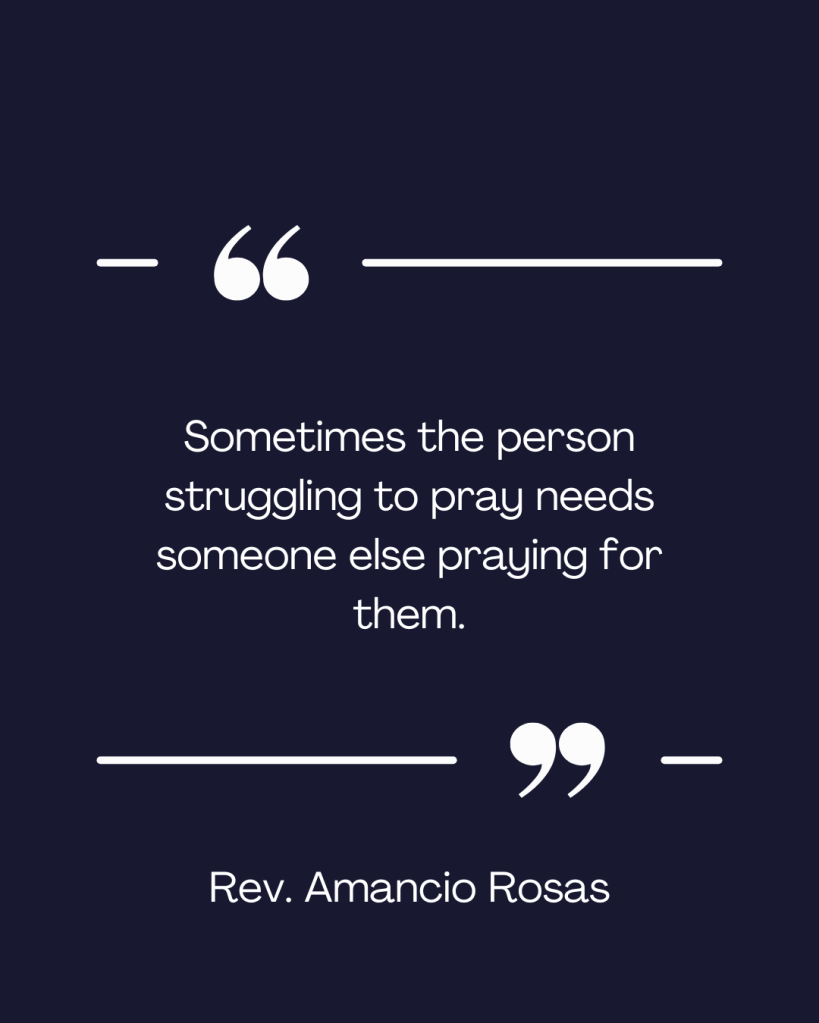
Sometimes the person struggling to pray needs someone else praying for them.

That is part of the beauty of intercession.

Worship Moves in Two Directions

Amos and Ezra ultimately challenge me in complementary ways.

Amos pushes worship outward.

If I worship God, I should care about my neighbor. I should notice suffering, confront injustice with truth and love, and refuse to allow my Christianity to become merely ritualistic.

Ezra pushes worship upward.

When I see brokenness, sin, guilt, and spiritual struggle around me, I should bring those people before God. I cannot transform another person’s heart, but I can intercede for them and trust the mercy of God.

Together, these perspectives create a powerful picture of worship:

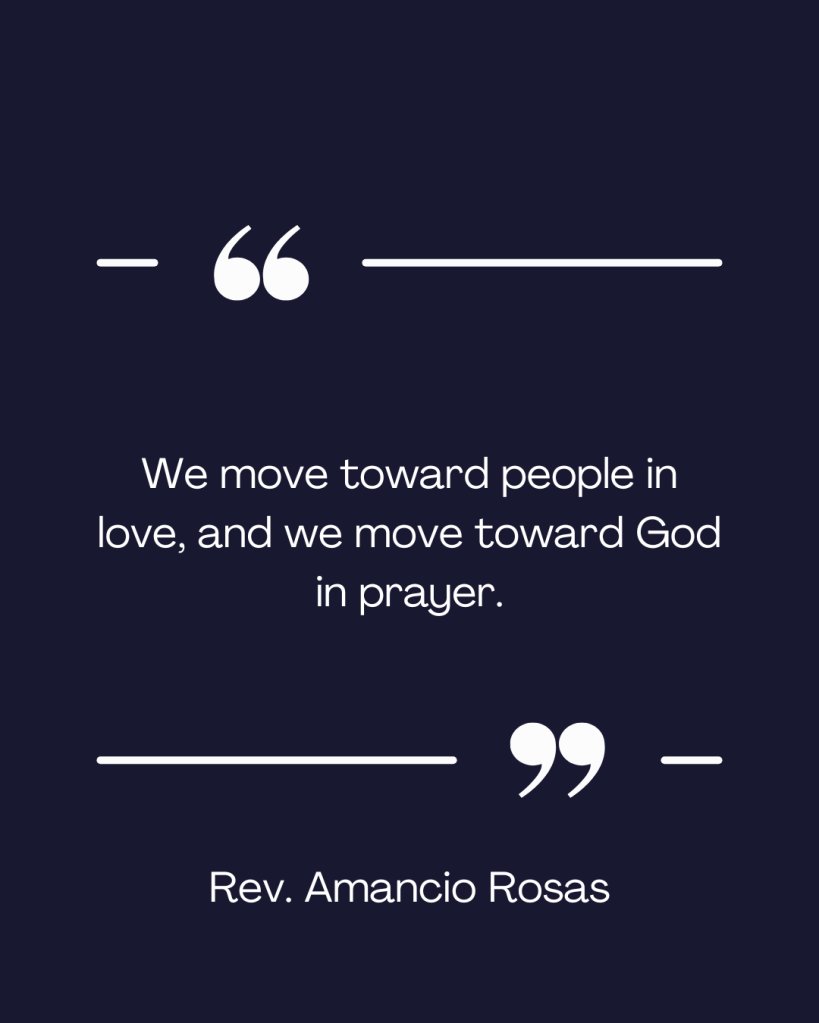
We move toward people in love, and we move toward God in prayer.

That challenges me personally because life does not become less busy as ministry responsibilities increase. If anything, busyness makes intentional intercession more difficult.

But perhaps that is exactly why it must become a discipline.

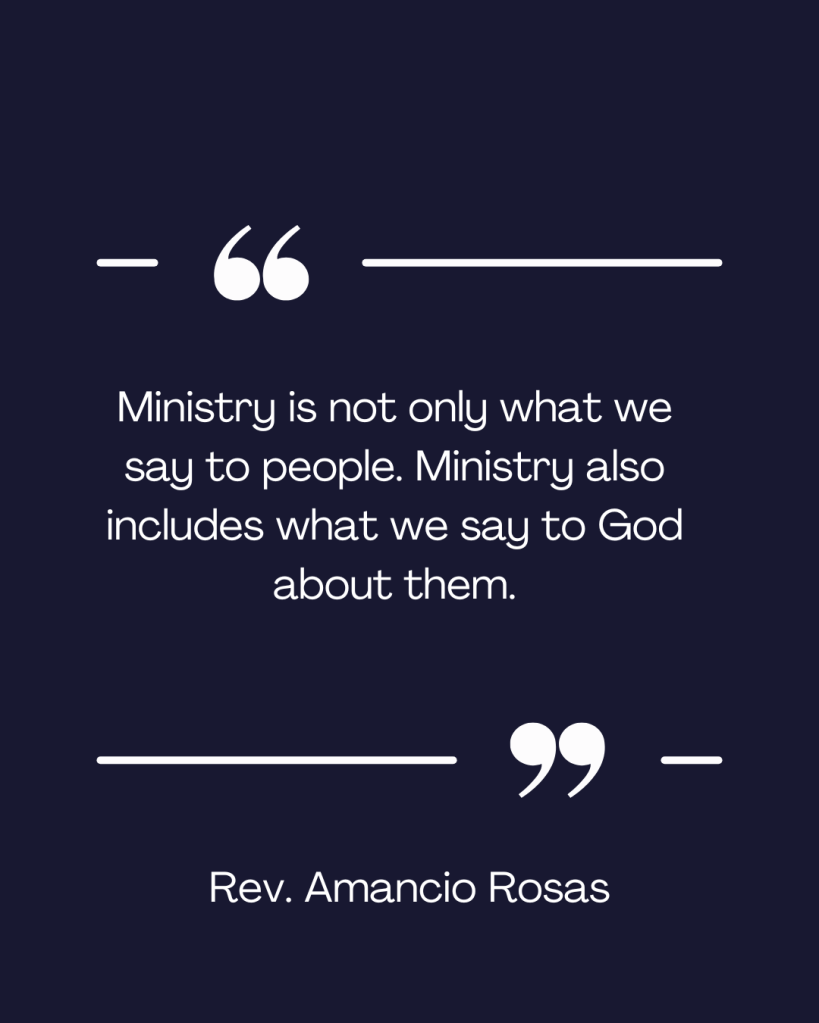
The more people God places around me, the greater my responsibility to remember that ministry is not only what I say to people. Ministry also includes what I say to God about them.

From Ritual to a Life of Worship

The challenge of Amos remains relevant: worship cannot become something we perform while ignoring the world around us.

The example of Ezra adds another dimension: when we encounter the brokenness of that world, our response should include intercession.

Biblical worship therefore refuses to remain confined to a service.

It enters our relationships.

It shapes our response to injustice.

It brings other people’s burdens into our prayers.

It calls us toward repentance.

And it continually brings us back to the mercy of God.

Perhaps one of the questions every worshiper should regularly ask is not simply, “Did I worship God today?”

Instead, we might ask:

“What is my worship producing in the way I love people, respond to brokenness, and pray for those God has placed around me?”

When worship begins transforming those areas of our lives, it moves beyond ritual and becomes a way of life.