Worship has a way of revealing what is happening within the human heart.
When we think about sin, words such as shame, guilt, condemnation, and separation often come to mind. Scripture certainly takes sin seriously. Yet for the believer, awareness of sin should not simply drive us into shame. Instead, through Christ, conviction can become an invitation to repentance, restoration, and deeper worship.
This raises an important question for the church: Can we truly understand worship without confronting the reality of sin?
Worship Requires an Awareness of God’s Holiness
One of the most powerful biblical pictures of worship appears in Isaiah 6. Isaiah encounters the holiness and majesty of God and immediately becomes aware of his own condition:
“Woe is me! for I am undone; because I am a man of unclean lips.” — Isaiah 6:5
Isaiah’s response demonstrates something important about worship. The closer he becomes to the revelation of God’s holiness, the more aware he becomes of his own need for cleansing.
John Oswalt emphasizes this relationship between sin and worship by arguing that genuine worship requires an awareness of our uncleanness before a holy God. Worship is not merely celebration. It is also confrontation.
We encounter God as He is, and that encounter reveals areas of our lives that need to be surrendered to Him.
Yet Isaiah’s story does not end with his uncleanness.
God provides cleansing.
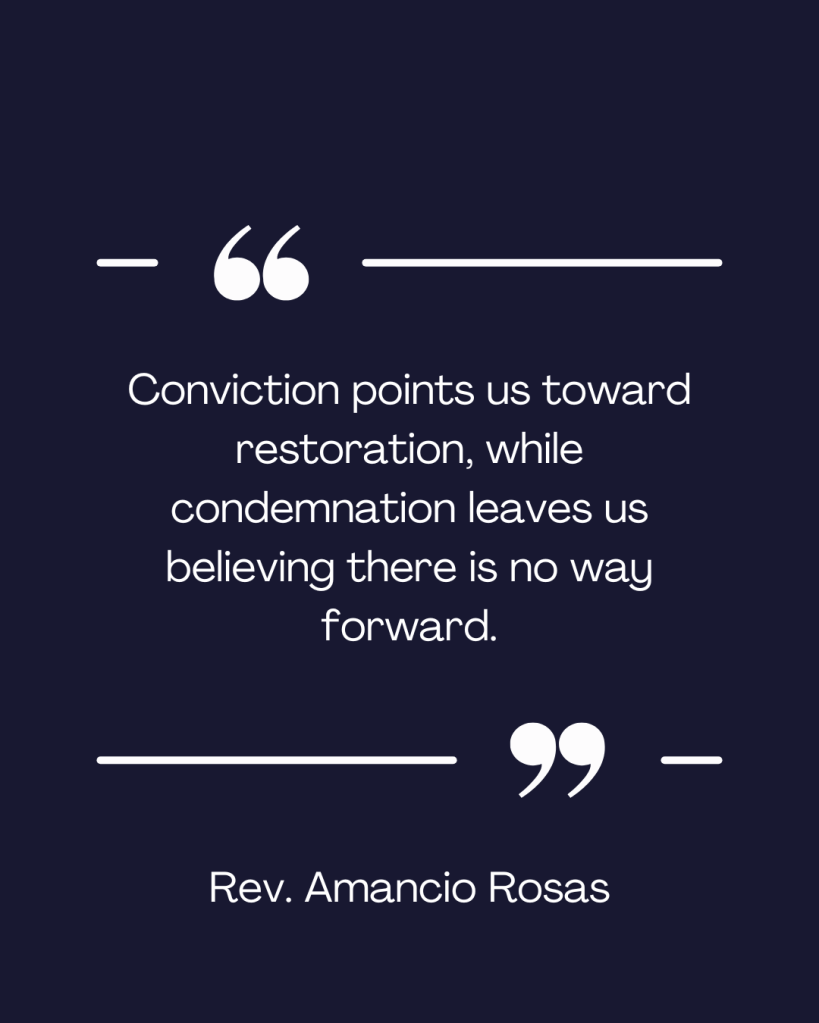
That distinction matters tremendously for the church. Conviction points us toward restoration, while condemnation leaves us believing there is no way forward.
Healthy Christian worship should therefore create room for both realities: the seriousness of sin and the transforming grace of God.
What Would a Culture of Surrender Look Like?
This challenges us to consider how our churches address sin within worship.
Do our worship gatherings provide opportunities for people to examine their hearts before God? Do we teach believers how to distinguish conviction from condemnation? Do we allow moments of reverence, repentance, prayer, and surrender alongside moments of celebration?
Sometimes surrender can even become physically expressed.
A believer may kneel.
Someone may bow at an altar.
Another person may quietly pray while members of the congregation surround them in prayer.
These actions are not what make repentance genuine. Nevertheless, physical expressions can communicate an inward reality: “Lord, I surrender myself to You.”
There is something beautiful about this within the gathered church. Repentance does not necessarily happen in isolation. A believer can encounter God personally while simultaneously being surrounded by a community that prays, encourages, and walks alongside them.
Worship therefore becomes both personal and communal.
Idolatry Is Still a Worship Problem
Sin is not the only issue that confronts our worship. Scripture repeatedly warns God’s people about idolatry.
When reading the accounts surrounding Jeremiah and Ezekiel, we encounter a people whose worship had become corrupted by competing allegiances. Idolatry was not merely an unfortunate spiritual habit. It represented misplaced worship.
Although our modern idols may look different, the underlying problem remains.
Timothy Keller famously described counterfeit gods as things that become so central to our identity and security that losing them can make life feel almost unbearable.
That definition should cause us to examine ourselves.
Our idols may not be statues.
They may be careers.
Relationships.
Money.
Recognition.
Education.
Influence.
Political causes.
Even our talents and opportunities can become dangerous when they begin providing the identity, security, or significance that ultimately belongs to God.
The question is therefore not merely, “What am I pursuing?”
A deeper question is:
“Why am I pursuing it?”
When Good Things Become Ultimate Things
This became particularly challenging for me because Ecclesiastes has also shaped my thinking about ambition and purpose.
Ecclesiastes repeatedly confronts humanity’s attempt to find ultimate meaning through earthly pursuits. Wealth, accomplishment, pleasure, wisdom, and labor cannot carry the weight of ultimate significance apart from God. They become a chasing after the wind.
That does not mean ambition, education, ministry, relationships, careers, or personal development are inherently wrong.
The issue is what place they occupy within our hearts.
I have increasingly found myself asking:
Do I trust my own gifting and abilities, or do I trust the God who gave them to me?
There is an important difference.
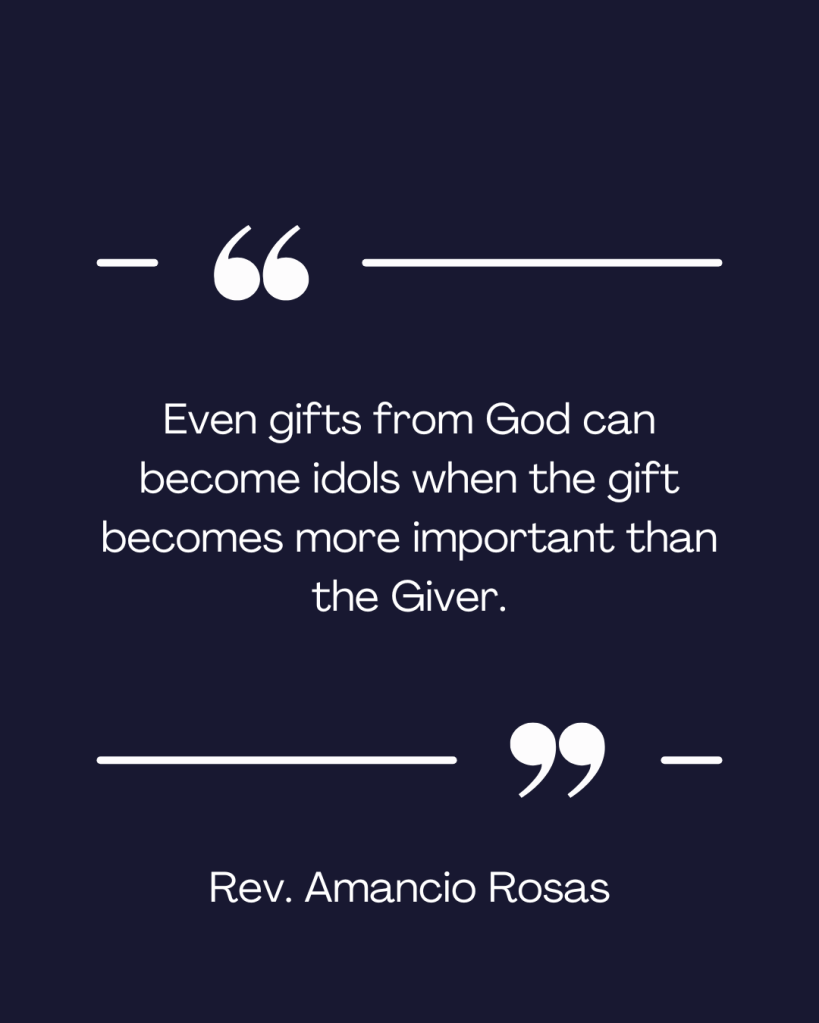
God can provide opportunities, abilities, relationships, and influence that genuinely glorify Him. Yet even gifts from God can become idols when the gift becomes more important than the Giver.
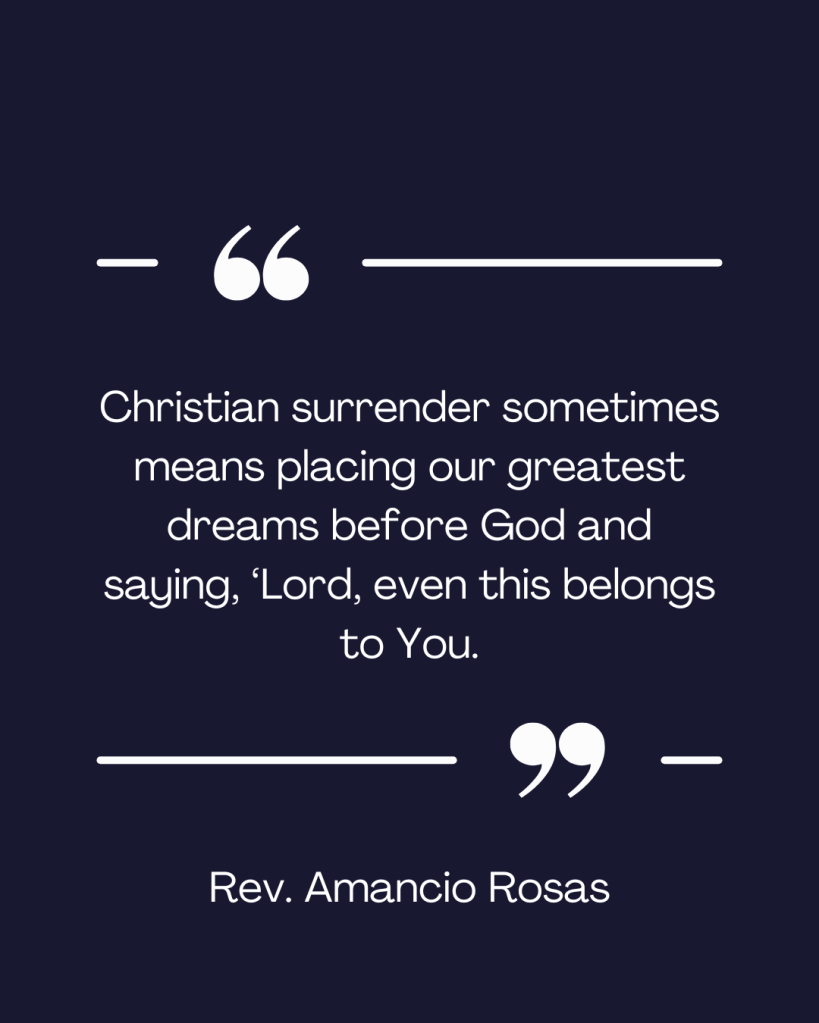
Christian surrender therefore involves more than abandoning obviously sinful behavior. Sometimes surrender means placing our greatest dreams before God and saying:
“Lord, even this belongs to You.”
Worship Reorders the Heart
Perhaps this is one of the greatest purposes of worship.
Worship reminds us who God is.
And when we understand who God is, we begin to understand everything else differently.
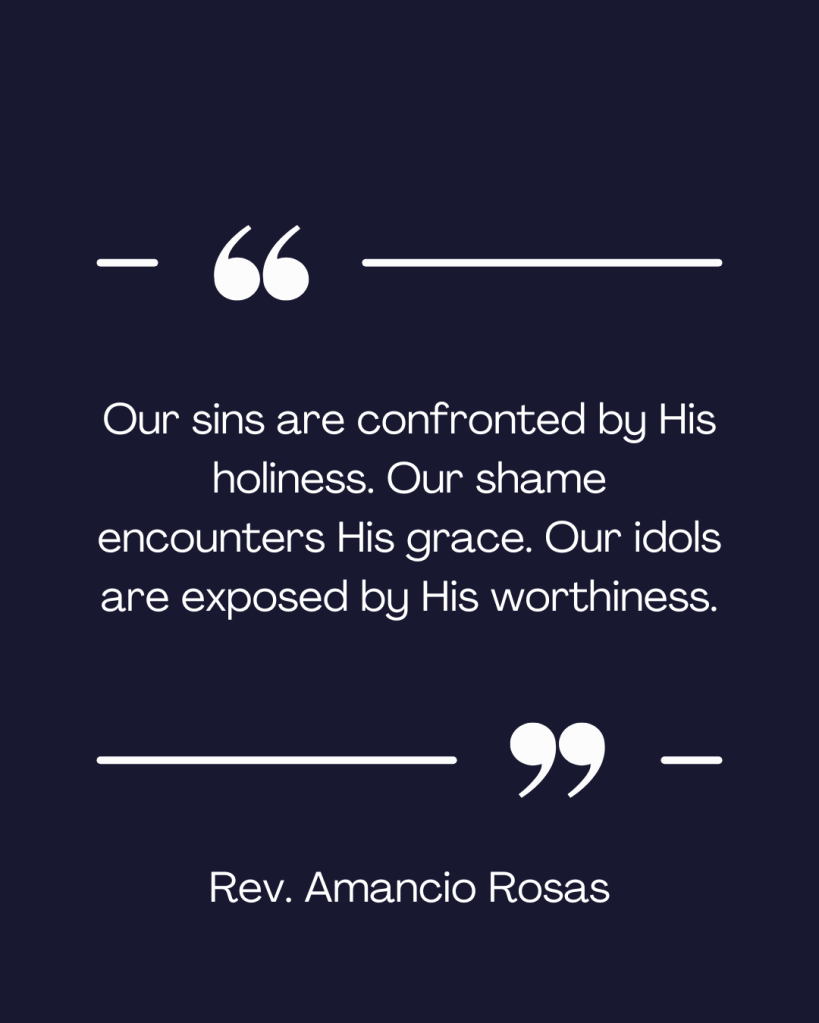
Our sins are confronted by His holiness.
Our shame encounters His grace.
Our idols are exposed by His worthiness.
Our ambitions become surrendered to His purposes.
Our gifts become instruments for His glory rather than monuments to ourselves.
True worship does not simply produce an emotional experience on Sunday morning. True worship continually reorders the heart around God.
That leaves me with several questions worth continuing to explore:
How can churches teach and model repentance without creating cultures of condemnation?
How can our worship gatherings cultivate reverence and surrender alongside joy and celebration?
How can Christians recognize when something good has quietly become an idol?
And perhaps the most personal question:
If God removed the things I depend upon for identity, significance, and security, would God Himself still be enough?
 Amancio Rosas | My Faith Journey