When we hear the word liturgy, many of us immediately think about a formal church service. We might picture a particular order of worship, prayers, Scripture readings, Communion, or traditions practiced within certain denominations.
But what if liturgy is bigger than what happens during a Sunday service?
What if our lives are being shaped by liturgies every day?
While studying biblical worship, I have been challenged to think about worship not simply as something Christians attend but as a way of life formed through repeated rhythms. The things we continually give our time, attention, and energy to eventually shape what we value.
That realization raises an important question: What rhythms are shaping my worship?
More Than Attending Church
There was a season when I wanted to become more involved in my local church, but my schedule made that increasingly difficult. Between work, academics, ministry responsibilities, and everything else happening in life, there simply was not much margin.
During that season, I remember telling my pastor something that has continued to shape the way I think about church:
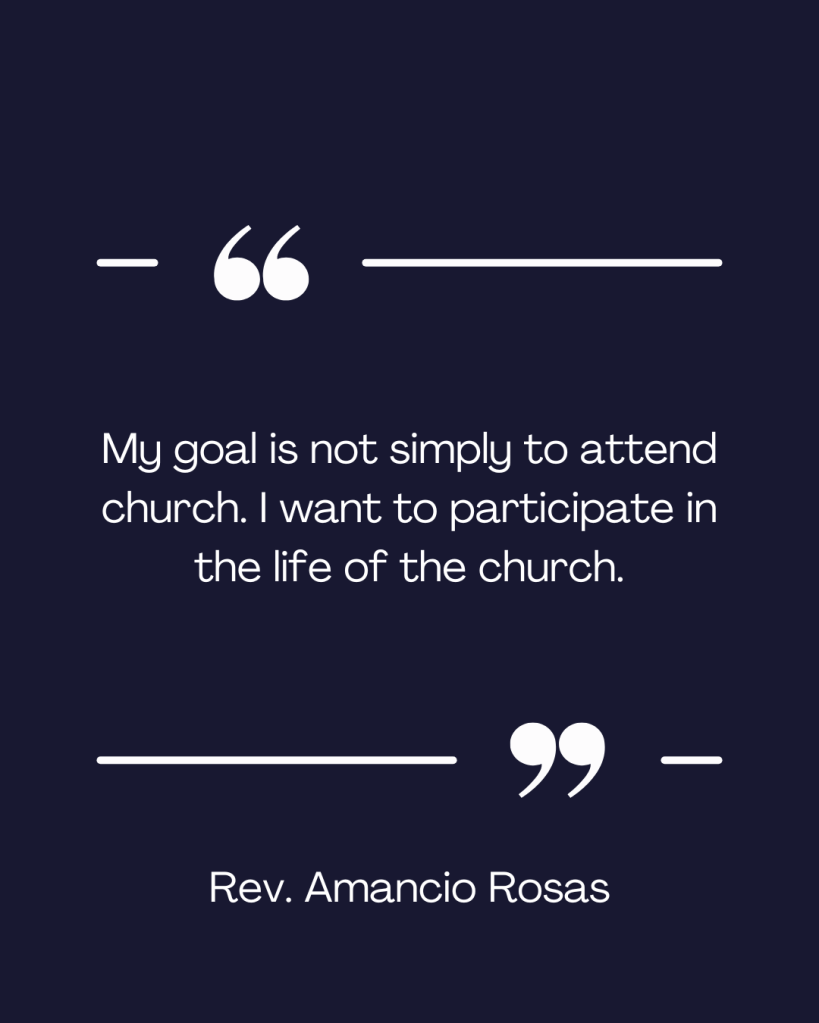
My goal is not simply to attend church. I want to participate in the life of the church.
There is a difference.
Church attendance certainly matters. Gathering with other believers is an important part of Christian discipleship. But the Christian life cannot be reduced to occupying a seat for a couple of hours each week.
The church is a community in which we worship together, serve together, pray together, grow together, encourage one another, and participate in God’s mission together.
That requires rhythm.
Our schedules reveal what repeatedly receives our attention. Work has a rhythm. School has a rhythm. Entertainment has a rhythm. Relationships have rhythms. Even our phones create rhythms through notifications, scrolling, and constant communication.
None of these things are automatically wrong. However, they can become competing liturgies when they consistently shape our lives more powerfully than our devotion to God and participation in Christian community.
I eventually had to examine what was preventing me from participating more fully in the life of the church and make adjustments. Those changes created greater space for spiritual growth, ministry involvement, and Christian community.
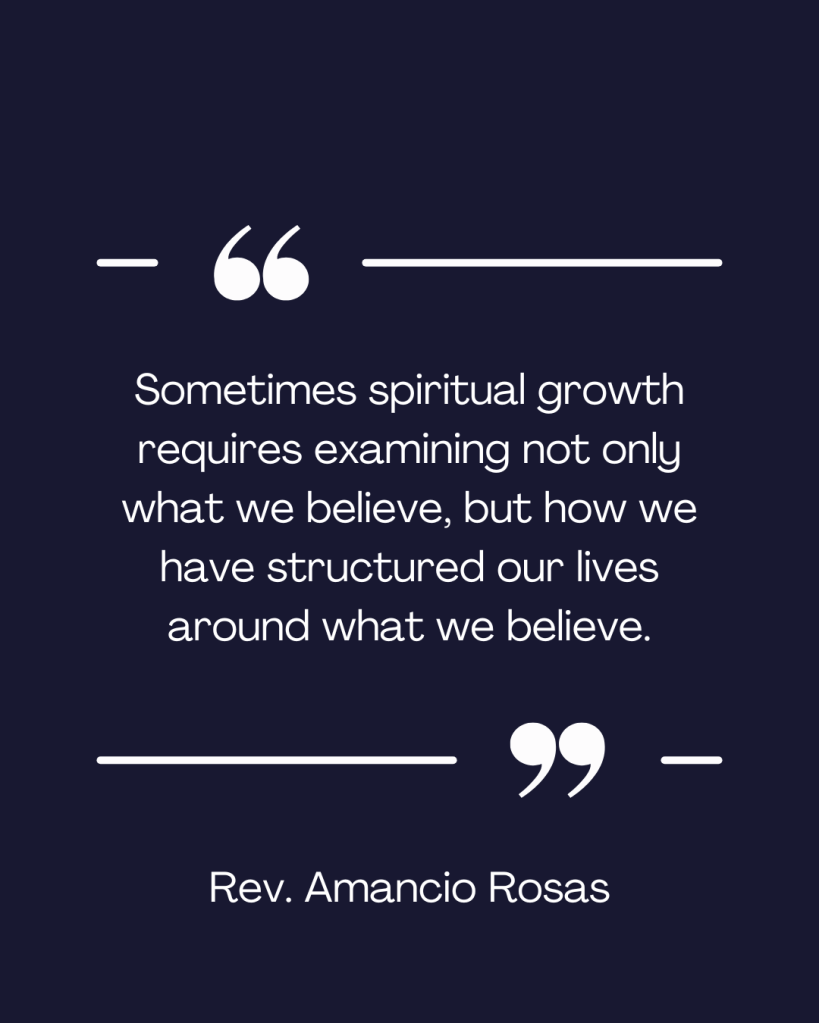
Sometimes spiritual growth requires examining not only what we believe, but also how we have structured our lives around what we believe.
Israel’s Worship Was Built Around Remembrance
This connection between worship and rhythm is not something invented by the modern church.
We see it throughout Scripture.
Leviticus 23 describes appointed times when Israel gathered to observe feasts and sacred occasions before the Lord. These celebrations created recurring rhythms within the life of God’s people.
Israel was repeatedly called to remember.
Remember God’s deliverance.
Remember God’s provision.
Remember God’s covenant.
Remember who they were because of what God had done.
Their calendar itself became a tool for spiritual formation.
God’s people were not simply learning theological information about Him. Their lives were structured around practices that continually brought God’s faithfulness back into view.
That principle remains valuable for Christians today.
Worship Looks Back So Faith Can Move Forward
Biblical remembrance is more than nostalgia.
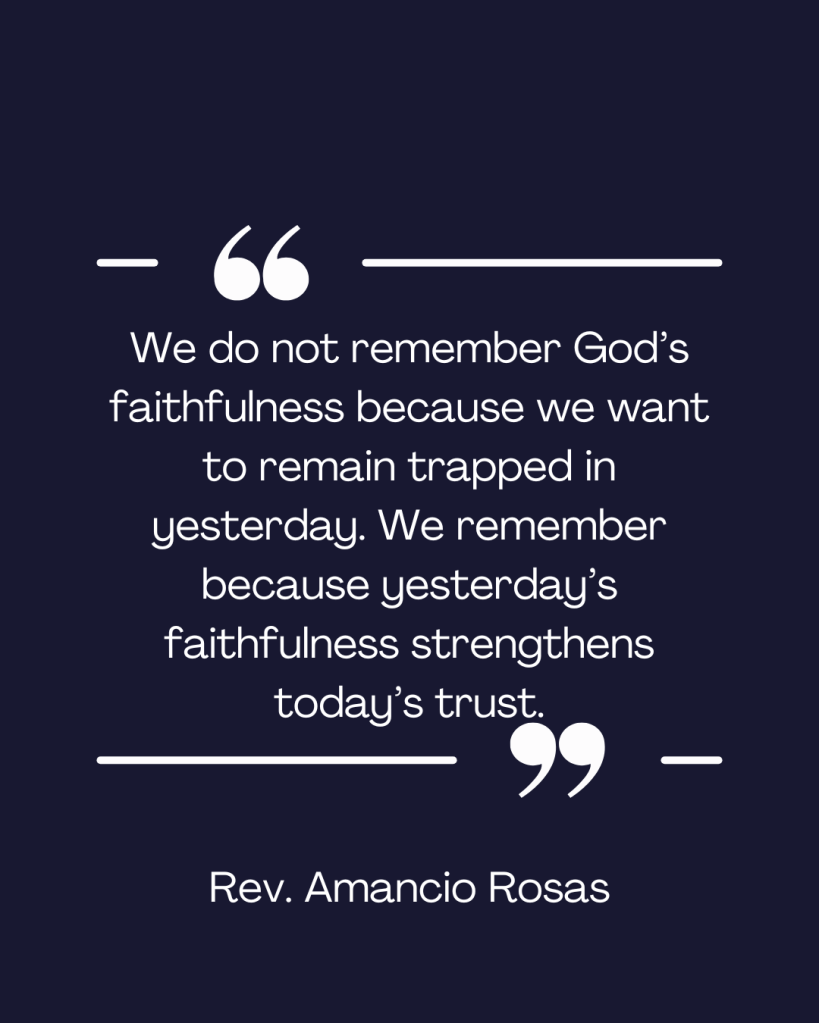
We do not remember God’s faithfulness because we want to remain trapped in yesterday. We remember because yesterday’s faithfulness strengthens today’s trust.
There are moments when we need to look backward so that we have the faith to continue moving forward.
Think about what happens when someone shares a testimony.
A testimony declares:
This is where I was.
This is what God did.
This is where I am now.
That remembrance becomes worship because the focus ultimately moves from our circumstances to God’s faithfulness.
Baptism provides another powerful picture of remembrance and testimony. It publicly identifies the believer with the death and resurrection of Jesus Christ while declaring the reality of a transformed life.
Our personal practices can also create rhythms of remembrance.
Journaling prayers, for example, allows us to return months or even years later and recognize prayers God answered, situations God carried us through, and moments when His faithfulness became evident in ways we might otherwise have forgotten.
Sometimes we need written reminders that say, in effect:
God met me there.
And when another difficult season comes, those memories can strengthen our confidence that the same God remains faithful.
Churches Need Memory Too
Remembrance should not only happen individually.
Churches have stories.
Congregations experience seasons of growth, difficulty, transition, revival, loss, provision, and transformation. Remembering those moments can teach future generations about God’s faithfulness.
This is especially important in a culture constantly searching for what is new.
There is value in asking:
Where has God brought us from?
What prayers has He answered?
What difficult seasons did He carry this congregation through?
What can the next generation learn from those who came before them?
When those stories are preserved and shared, church history becomes more than information about the past. It becomes testimony.
One generation can tell another generation, “This is what we saw God do.”
And the next generation can respond with faith for what God may do again.
What Is Shaping Your Life?
Thinking about worship as liturgy ultimately forces us to examine our rhythms.
Everyone has them.
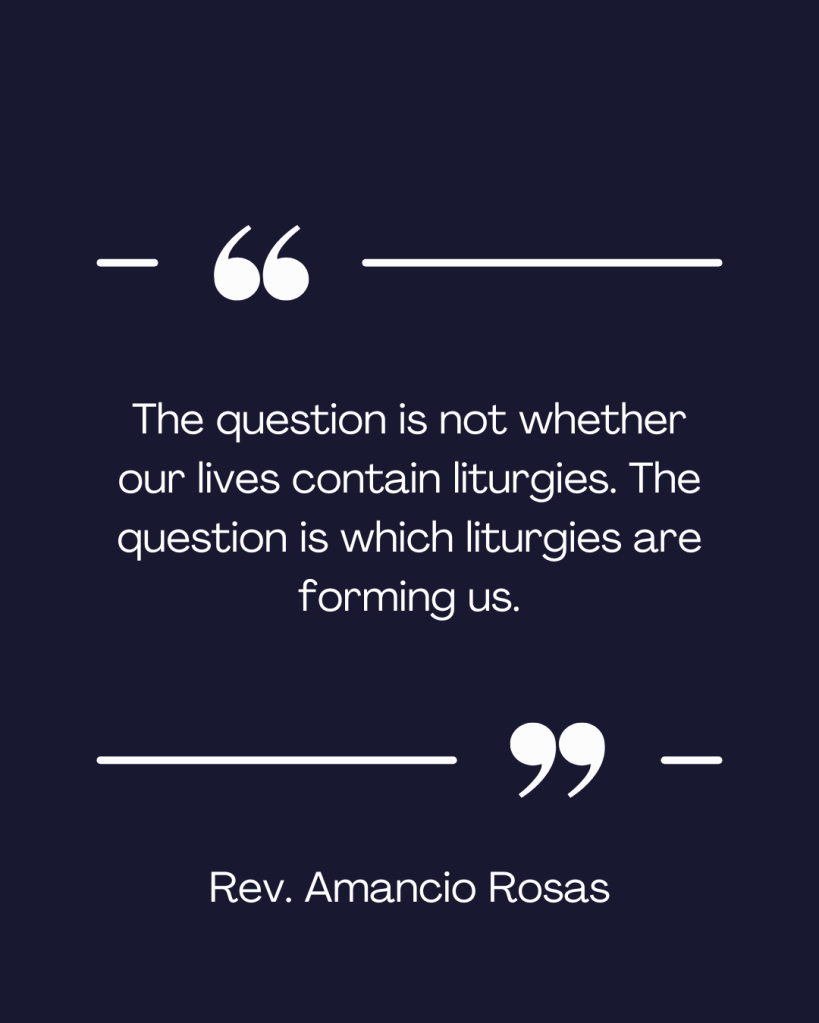
The question is not whether our lives contain liturgies. The question is which liturgies are forming us.
What consistently receives our time?
What repeatedly receives our attention?
What communities are shaping our identity?
What practices help us remember God’s faithfulness?
And perhaps one of the most important questions:
Are we merely attending church, or are we participating in the life of the church?
Worship extends far beyond the songs we sing on Sunday morning. It involves forming a life that repeatedly turns our attention toward God, remembers His faithfulness, participates in His people, and responds to what He has done.
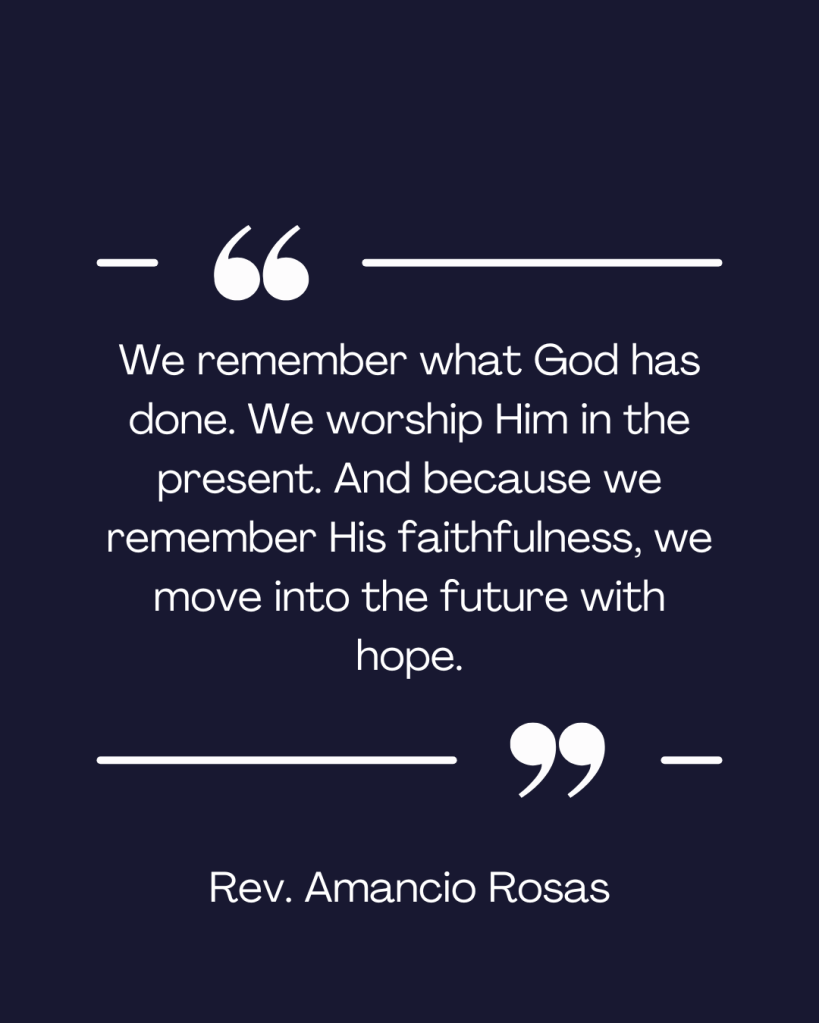
We remember what God has done.
We worship Him in the present.
And because we remember His faithfulness, we move into the future with hope.

 Amancio Rosas | My Faith Journey